Wars are fought in particular places, but wheat is priced everywhere at once. When conflict reaches a major grain-producing region, the first casualties of the market are not the fields themselves, which mostly keep growing, but the machinery around them: ports, insurance, credit, fertiliser and trust. Within weeks, the effects surface in bread prices in countries thousands of miles from the front. The transmission is fast because grain is one global market, and the mechanisms are worth taking apart one at a time.

Exports stop before production does
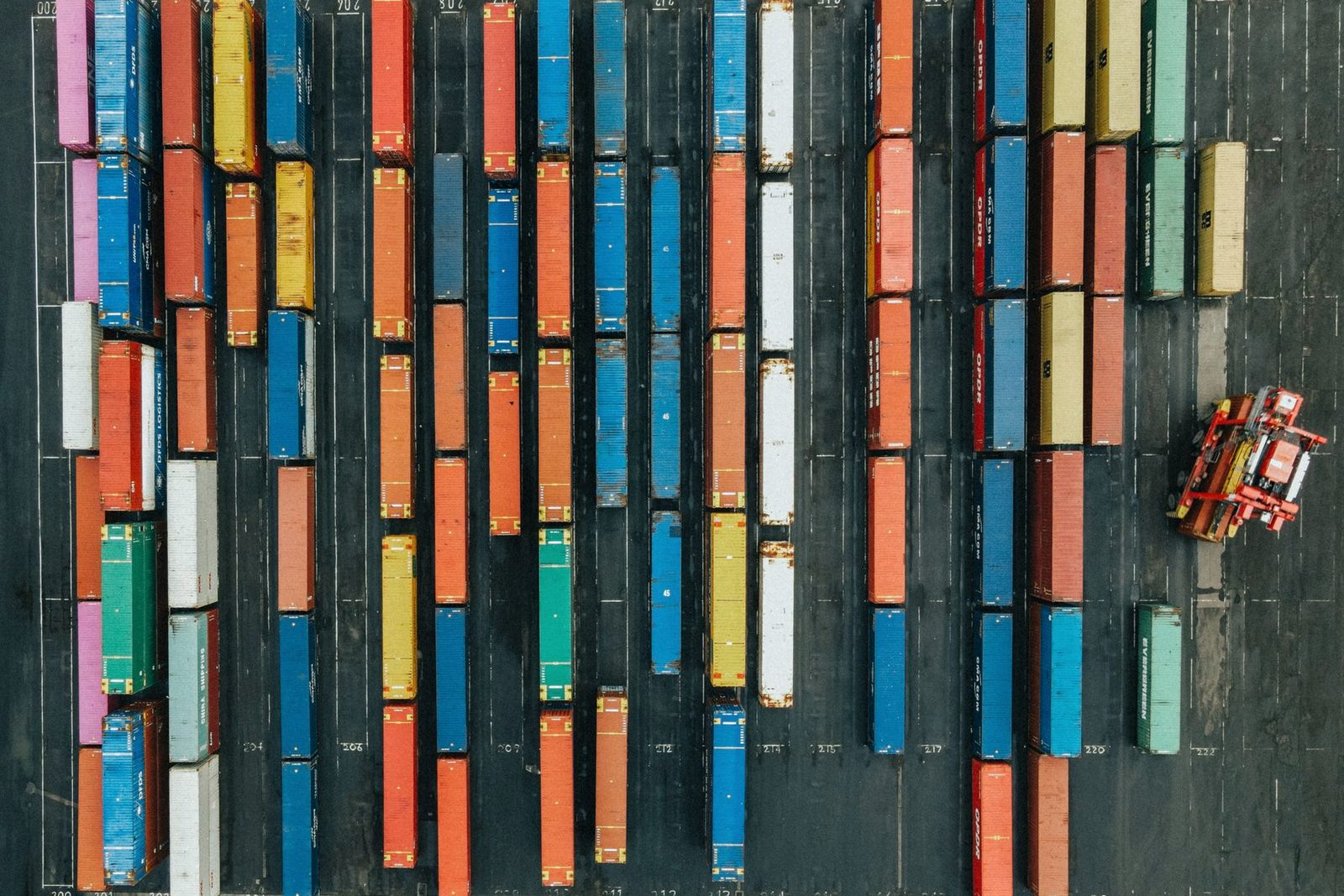
Grain is grown across whole regions but leaves through a handful of chokepoints. Close the chokepoint and the harvest becomes irrelevant to world supply. The pattern is a century old and more. When the Ottoman Empire closed the Turkish straits in 1914, Russian grain exports through the Black Sea collapsed, and bread prices rose across the importing world while wheat piled up uselessly behind the blockade. The same geography made headlines again in 2022, when the invasion of Ukraine shut Black Sea ports through which one of the world's great grain trades had flowed. Russia and Ukraine together had accounted for roughly a quarter of world wheat exports, and futures prices in Chicago and Paris repriced within days of the first strikes, long before any silo was actually empty.
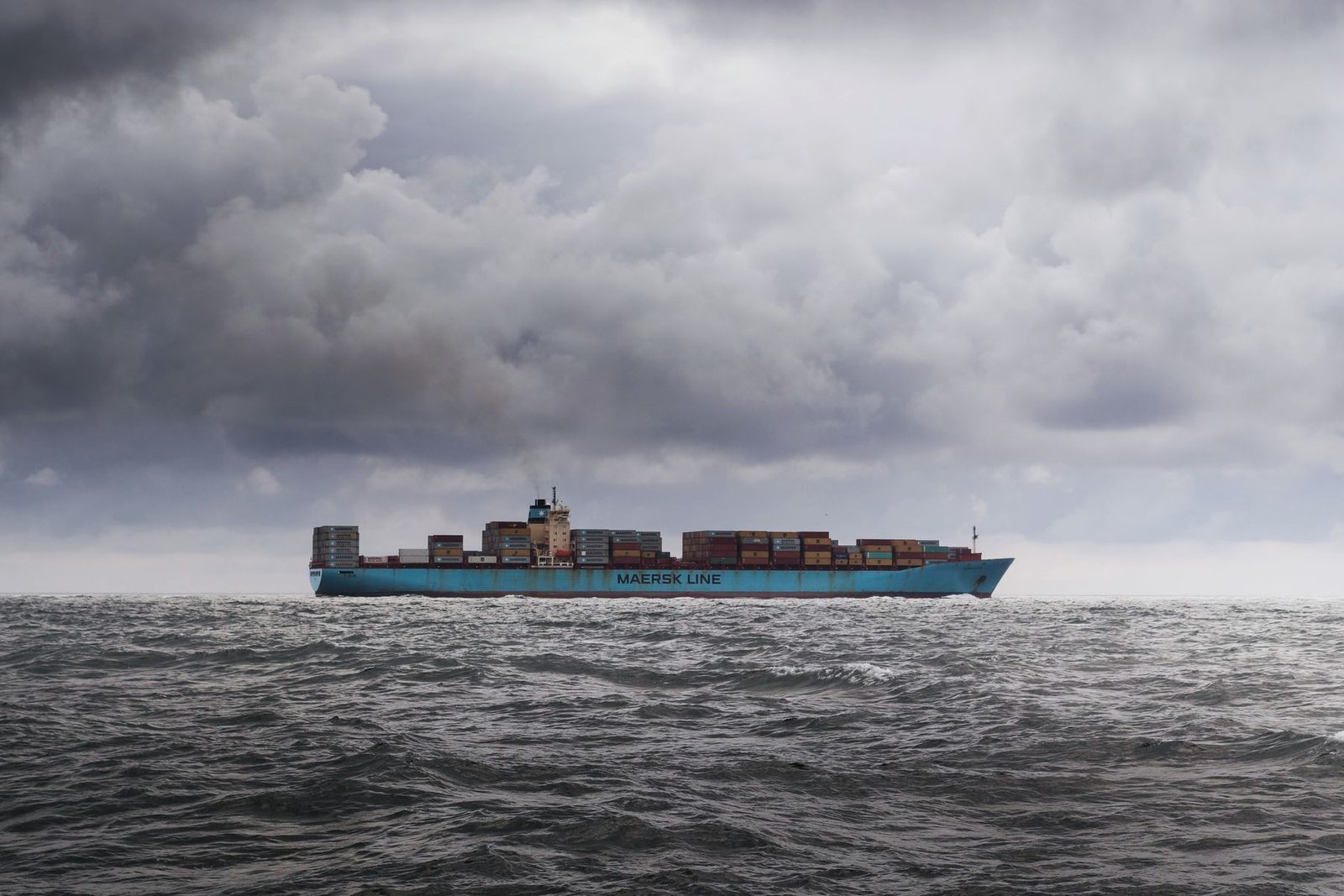
The blockage is rarely just physical. Banks hesitate to finance cargoes that may be sanctioned or seized. Insurers withdraw cover or price it prohibitively. A ship that cannot be insured or paid for is as stuck as one facing a minefield, and a wheat exporter without working finance is, commercially speaking, not an exporter.
The fertiliser channel
Conflict moves food prices through inputs as well as outputs. Nitrogen fertiliser is made from ammonia, and ammonia is made overwhelmingly from natural gas, so any war that disturbs gas markets raises the cost of growing everything, everywhere. The 2022 energy shock did exactly this: European fertiliser plants curtailed production when gas became ruinously expensive, and farmers worldwide faced higher input bills for crops that had no connection to the fighting. Fuel works the same way. Diesel drives tractors, dryers and trucks, and its price carries every geopolitical risk premium straight onto the farm.
Substitution spreads the shock
Grain markets are connected by the dinner plate and the feed trough. When wheat becomes scarce, millers blend more of other grains, livestock feeders shift toward corn and barley, and buyers of every substitute crop find themselves bidding against new demand. Prices rise across the whole complex, not just in the commodity that was blocked. Governments then amplify the wave: import-dependent states panic-buy to build stocks, and exporters impose bans to protect domestic prices. The food price crisis of 2007 and 2008 demonstrated the sequence painfully, as successive export restrictions on rice and wheat each pushed world prices higher and invited the next restriction. A local shortage, run through this machinery, becomes a global one.
Who actually gets hurt
Wealthy countries experience food price shocks as unpleasant inflation. Poor, import-dependent countries experience them as crisis, because their households spend a far larger share of income on food and their governments often subsidise bread at fixed prices. When world wheat prices double, those subsidy bills double with them, straining exactly the treasuries least able to bear it. The eventual reopening of Ukrainian exports under the Black Sea grain arrangement in 2022 mattered most not in Europe but in countries like Egypt, historically among the world's largest wheat importers. Distance from the front, in food markets, is no protection at all.
The 1972 lesson: politics moves grain without a shot fired
Conflict is only the loudest member of a larger family. In 1972 the Soviet Union, facing a disastrous harvest, quietly bought enormous quantities of American wheat in a series of deals that became known as the great grain robbery. There was no blockade and no battlefield, yet world wheat prices soared, US food inflation followed, and governments everywhere rediscovered that grain stocks are strategic assets. The episode remade the machinery of the trade, from export reporting rules to the modern prominence of futures markets as the world's early-warning system. War moves wheat prices through the same channels that any large political shock does. It simply moves them faster and with less warning.
What the trade can do about it
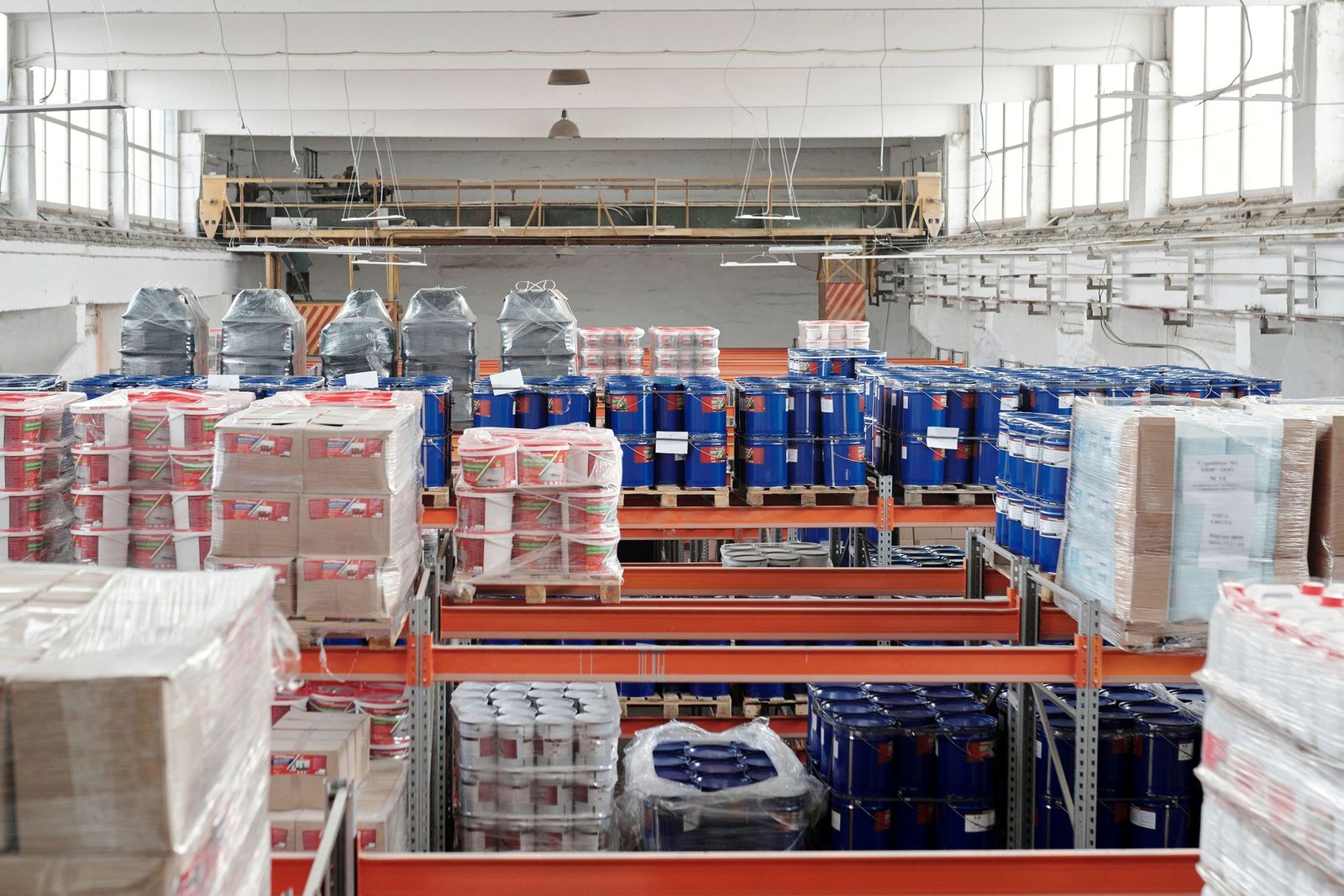
For anyone whose business touches food, the practical lessons are old ones. Diversify origins, because a single-origin supply chain is a bet on that origin's politics. Watch inputs as closely as outputs, because fertiliser and fuel move margins before crop prices do. And respect storage: wheat can be held for years, which means expectations about next season move prices today. That is why markets reprice on the outbreak of war rather than at the moment silos empty. The price of bread far from the front is not responding to hunger. It is responding to arithmetic about ships, insurance and the next harvest, calculated in advance, everywhere at once.