The movement of fresh produce across international borders relies on a chain of documents as much as it does on refrigerated containers and transport infrastructure. This summer, during the peak export season for many northern-hemisphere crops, delays in obtaining necessary paperwork are creating bottlenecks that significantly impact cost and delivery schedules.
Phytosanitary requirements
A phytosanitary certificate is a requirement for importing plant material. It verifies that plants or plant products have been inspected and conform to the health standards of the importing country. These certificates are issued by the exporting nation’s regulatory body, following inspection procedures designed to prevent the introduction of pests and diseases. Obtaining these certificates can be time consuming. Inspection teams must visit farms and packing houses, collect samples for analysis, and produce a formal document confirming compliance. The process involves coordinating with government agencies, which often have their own protocols and backlogs.
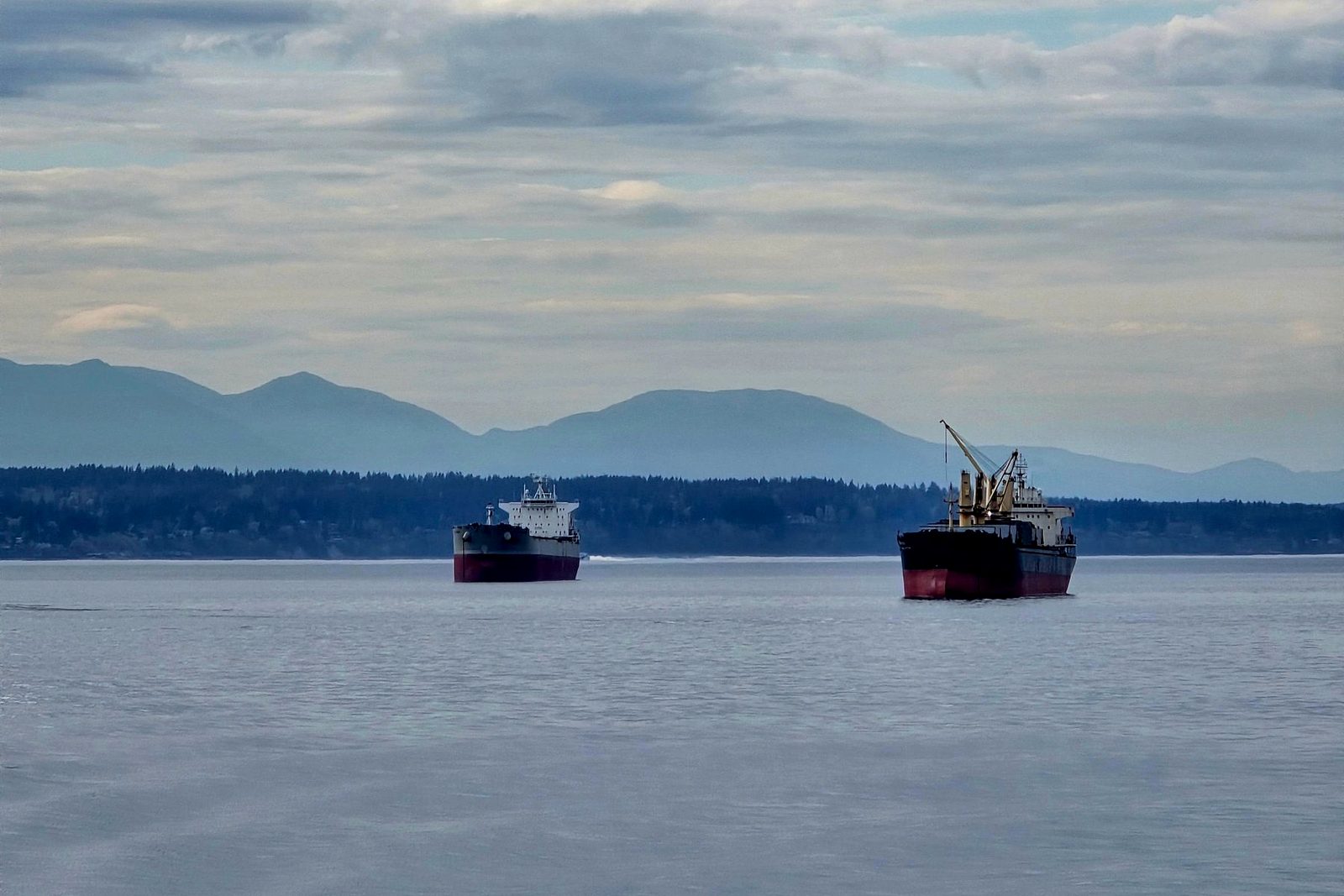
The timing of certificate issuance is frequently overlooked in the broader logistics planning. A vessel might arrive at port ready to load cargo, only for the phytosanitary certificates required for that shipment to be pending approval. The cost of demurrage charges, fees incurred when a ship waits longer than allotted time at port, quickly accumulates. These charges are borne by exporters and importers alike, but ultimately affect consumer prices. Beyond direct costs, delays damage relationships with buyers who rely on timely deliveries to maintain their own commitments.
Customs entries and border controls
Once produce leaves the exporting country, a customs entry is needed for clearance through the importing nation’s border control systems. This involves submitting detailed information about the shipment, including its value, origin, and tariff classification. Customs officials review this information to ensure compliance with import regulations, verify payment of duties and taxes, and assess any applicable trade restrictions.
The complexity of customs procedures varies significantly between countries. Some nations have streamlined electronic systems, while others rely on paper-based processes. Even seemingly minor discrepancies in the documentation can trigger delays. Incorrect descriptions of goods, inaccurate valuation data, or missing signatures are common causes for rejection and require correction before clearance is granted. These corrections add time to the process, further increasing demurrage charges and disrupting delivery timelines.
The role of freight forwarders is important at this stage. They act as intermediaries between exporters and importers, handling the preparation and submission of customs entries. A competent freight forwarder understands import regulations and can anticipate potential issues, but even their expertise cannot always overcome systemic delays within government agencies. The volume of international trade increases seasonal pressure on border control staff.
The cost of paperwork delays
It is a common assumption that delayed shipments are primarily impacted by vessel or truck availability. This is only partially correct. While transport capacity does fluctuate, the cost associated with paperwork delays frequently outweighs those related to physical movement. A day’s delay in receiving a phytosanitary certificate can easily result in demurrage fees equivalent to several days of vessel time.
Consider this: a container of apples destined for a European market might be held at port pending a customs entry correction. The apples are perishable goods. They have a limited shelf life. A single day's delay could reduce their marketable quality, necessitating discounting or even rejection by the importer. This loss in value far exceeds any potential savings from optimising shipping routes.
The reliance on physical documents creates vulnerabilities that electronic systems would largely mitigate. While digitalization is advancing, many countries still require original paper certificates for import clearance. These documents must be physically transported, which adds another layer of risk and potential delay. A misplaced certificate or a courier experiencing unexpected delays can halt the entire process.
The situation highlights the need for greater coordination between all parties involved in international trade. Exporters must begin the paperwork process well in advance of anticipated shipping dates. Importers should engage with freight forwarders early to understand import requirements and potential bottlenecks. Government agencies, meanwhile, have a responsibility to streamline their procedures and improve communication with stakeholders.
The current pattern is clear: investment in solid documentation processes offers significant returns. A few hours spent ensuring accuracy and completeness can prevent days of costly delays later on. The timing of fruit harvest is dictated by the season; the movement of paperwork must be considered alongside it.