The day after the sanctions announcement, the phone calls started. Banks in Europe were hesitant to issue letters of credit for transactions involving sanctioned entities, even when documentation was flawless. Insurers began withdrawing cover from businesses that dealt with restricted goods or partners under scrutiny. Compliance departments across the globe were scrambling to update their lists and protocols.

Sanctions Enforcement Through Banking
Banks are at the heart of sanctions enforcement because they manage financial transactions and can cut off access to international markets. When a country imposes economic sanctions, it often targets specific entities or industries by prohibiting banking services for them. This means that banks must verify every transaction against sanctioned lists before processing any payments.
The process begins when a government issues an executive order or legislation detailing the sanctions. Financial institutions receive updates from regulators and international bodies like the United Nations Security Council, which publishes consolidated lists of entities subject to restrictions. Banks then integrate these lists into their compliance systems, ensuring that automated screening tools can detect matches in real-time.
Insurance Industry Reactions
The insurance industry responds to sanctions by withdrawing coverage for sanctioned parties and high-risk clients. Insurers are cautious because providing cover to entities under sanction exposes them to legal penalties and reputational damage. As a result, they often refuse to renew policies or issue new ones if there is any hint of non-compliance.
Insurers also face regulatory scrutiny themselves. Many countries have strict regulations requiring insurance companies to report suspicious activities related to sanctions violations. This creates an additional layer of oversight and risk management for the industry.
The Role of Shipping and Logistics
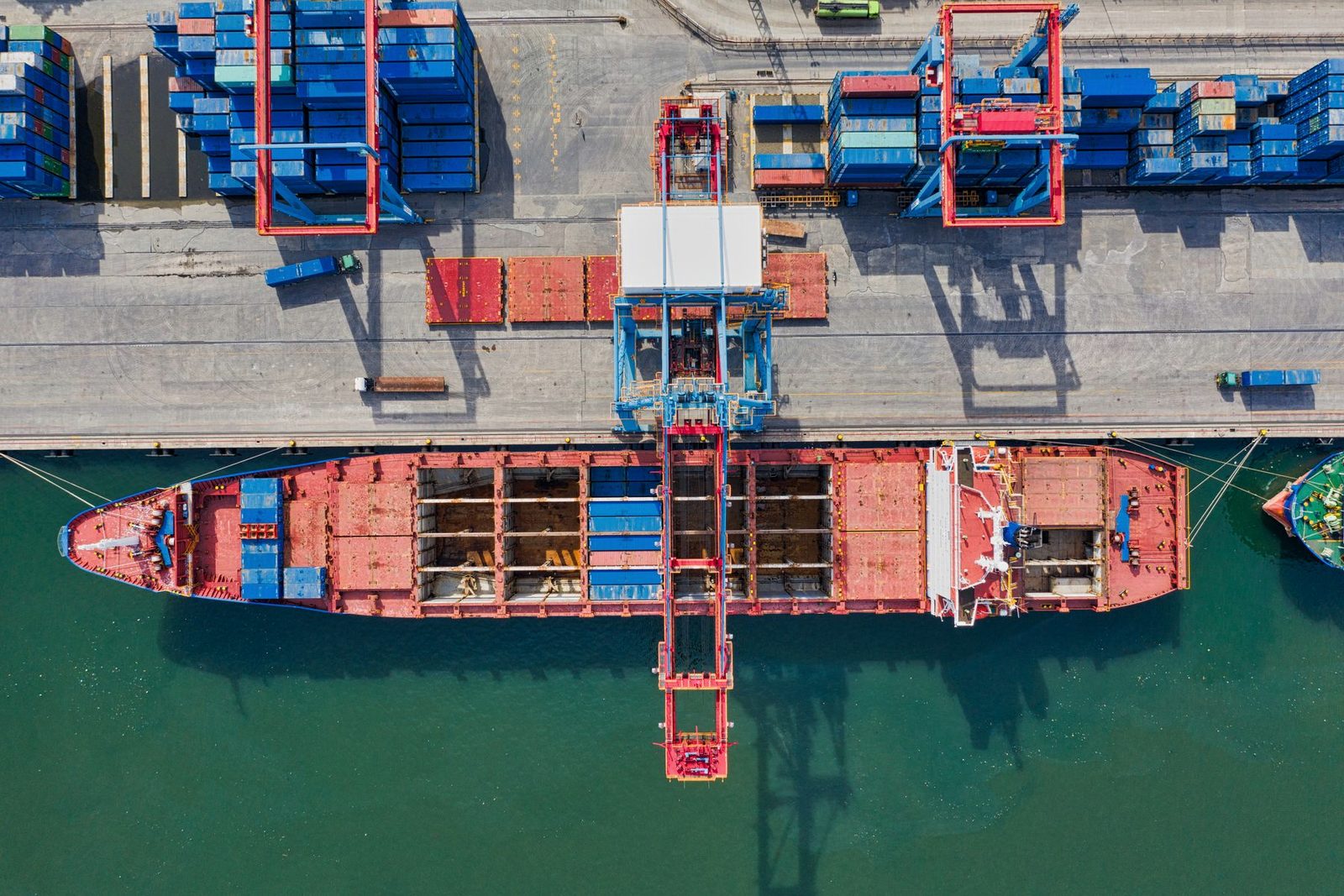
Shipping and logistics firms are critical in enforcing trade restrictions through flags and ownership checks. Vessels flying the flag of a sanctioned country or owned by individuals under sanction face significant barriers to navigating international waters. Flags of convenience, which allow ships to register with countries known for lax regulations, can complicate enforcement efforts.
Beneficial ownership checks are another important aspect of logistics compliance. Understanding who ultimately controls a vessel or cargo is essential in preventing sanctioned entities from circumventing restrictions. This requires detailed documentation and verification processes to ensure that goods are not being transported by intermediaries linked to prohibited parties.
The Compliance Burden on Businesses
For businesses operating under sanctions, the compliance burden is substantial. They must establish solid internal controls to monitor transactions and supply chains for potential violations. This includes training staff on recognizing sanctioned entities and implementing procedures that prevent inadvertent breaches.
The costs of maintaining such systems are significant. Companies may need to hire dedicated compliance officers and invest in sophisticated software solutions to manage the vast amounts of data required for monitoring sanctions lists. These measures can add thousands of dollars per month to operating expenses, impacting profitability.
Enforcement Beyond Military Means
The effectiveness of sanctions lies not in military might but in the detailed web of financial and logistical controls that choke off economic lifelines. Sanctions enforcement operates through a complex network of regulations, monitoring tools, and international cooperation that makes it difficult for sanctioned entities to conduct business as usual.
While naval blockades or other military interventions grab headlines, it is the meticulous work of compliance officers, bankers, and insurers that truly enforces sanctions. Their vigilance in verifying transactions, issuing letters of credit, and providing insurance coverage ensures that economic pressures are felt across targeted industries.
The Reality of Paperwork
Sanctions enforcement is a matter of paperwork and protocol, not military might. It relies on the diligent application of regulations by financial institutions, insurers, and logistics providers to disrupt trade flows and undermine sanctioned entities' ability to operate internationally.
This approach may be less dramatic than armed conflict but is no less potent in achieving its goals. The cumulative effect of these measures can cripple an economy or isolate a regime from global markets, making the enforcement of sanctions an essential tool in international diplomacy.