The day after tariffs were imposed on imported steel, prices at construction sites in North America began to rise. Workers noticed that screws and nails, staples of any building project, had become more expensive overnight. This seemingly isolated issue was just the beginning of a ripple effect that would soon touch every corner of the supply chain.
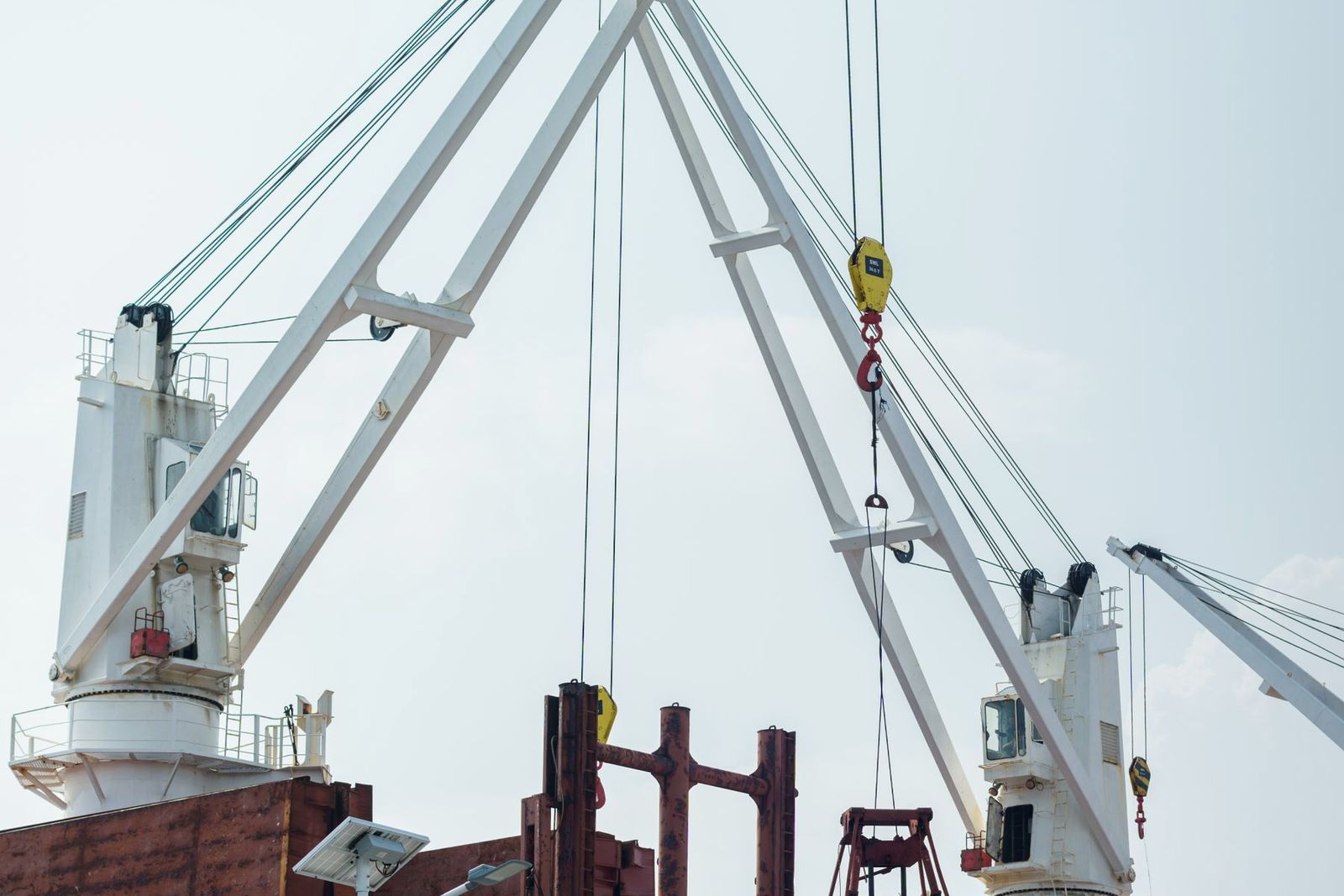
Tariffs can have far-reaching consequences beyond their immediate targets, altering economic landscapes in unexpected ways. When one country imposes tariffs on imported goods, it sets off a series of reactions across multiple industries and geographies. These effects often extend to downstream consumers who might not even be aware that they are part of the equation.
Tariff Basics
Tariffs are taxes imposed by governments on imported goods, designed primarily to protect domestic industries from foreign competition and generate revenue for national coffers. While tariffs may seem like a straightforward policy tool, their impacts can be complex and multifaceted.

Consider the case of steel tariffs. When these taxes are levied on imported steel, the cost of purchasing this material increases significantly. This price hike is not just an inconvenience; it can lead to reduced competitiveness for businesses that rely on steel as a key input, such as manufacturers of construction equipment and automotive parts.
Steel is used across various industries beyond direct manufacturing. For instance, agricultural machinery often requires solid metal components that become more expensive when the cost of raw materials rises due to tariffs. This increase can trickle down through supply chains, affecting everything from farm equipment prices to food production costs.
Economic Chains and Feedback Loops
The imposition of tariffs creates a domino effect within economies by altering the balance between domestic and foreign inputs. When one sector faces higher input costs due to tariffs, it often passes these expenses onto customers or tries to maintain profit margins by cutting corners elsewhere.
For example, if a company that produces tools for farmers faces increased steel prices, it might raise its product prices to compensate. This price increase affects the end consumer in the form of higher food costs at grocery stores. The farmer also bears additional expenses, which could lead to reduced profits or forced cost-cutting measures.
Moreover, tariffs can induce a feedback loop where retaliatory measures from trading partners exacerbate initial impacts. If Country A imposes tariffs on steel imports and Country B responds with tariffs on agricultural products from Country A, both countries' economies suffer. Farmers in Country A might face reduced export opportunities while consumers in Country B pay higher prices for imported food.
Indirect Effects and Consumer Impact
The ripple effect of tariffs extends beyond immediate target industries to influence related sectors and end consumers. For instance, the increased cost of steel can lead to higher costs for construction materials like pipes and fittings. This not only affects homebuilders but also utilities that rely on these products to lay infrastructure.
When construction materials become pricier due to tariffs, contractors might seek cheaper alternatives or delay projects until prices stabilize. Such delays can have broader economic implications, slowing down the housing market and potentially stalling local economies dependent on related industries like real estate and retail.
The consumer is at the end of this chain reaction. Higher costs for construction materials translate into higher home prices and increased expenses for maintenance or renovation projects. This can make homeownership less accessible and increase financial burdens on families already struggling with inflationary pressures.
Global Supply Chain Dynamics
Tariffs also disrupt the detailed global supply chains that have become a cornerstone of modern commerce. Many products are assembled from components sourced internationally, making them vulnerable to tariff-induced price increases at any stage of production.

Consider electronics manufacturing. Components like circuit boards often originate in countries with specialized expertise and efficient production processes. When tariffs increase the cost of importing these parts, manufacturers might experience higher overhead expenses or look for alternative suppliers that could be less reliable or more expensive.
The shift to new suppliers can introduce delays and quality issues, further complicating supply chain management. Companies may need to invest in additional logistics and inventory control measures to mitigate risks, adding operational complexity and costs.
Policy Considerations and Mitigation Strategies
To address the unintended consequences of tariffs, policymakers must consider a range of economic factors and potential ripple effects before implementing such measures. Trade agreements that aim for balanced reciprocity can help prevent retaliatory tariffs from escalating into trade wars.
Companies operating in tariff-affected markets need to develop solid strategies to manage input costs and maintain competitiveness. This could involve diversifying supplier networks, investing in cost-saving technologies, or exploring alternative materials that offer similar performance at lower prices.
Consumers too play a role by demanding transparency from retailers about the origins of products and the impact of tariffs on pricing. Increased awareness can drive market forces towards more efficient supply chains and encourage companies to seek out sustainable and competitive sourcing options.
The imposition of tariffs demonstrates how economic policies can have far-reaching effects, touching every level of production and consumption. Understanding these ripple effects is important for navigating complex global trade dynamics and ensuring that the burden of protectionism does not fall disproportionately on consumers and businesses alike.