The morning sun rises over the port of Shanghai, casting long shadows across a fleet of container ships packed with goods bound for North America and Europe. Inside one of the largest cargo terminals, workers in reflective vests move crates along conveyor belts that connect to the world's supply chains. The day ahead is filled with the routine tasks of loading and unloading containers, but beneath this surface activity lies an escalating tension: a trade war between major economic powers.

The United States and China, two of the world’s largest economies, have engaged in a series of tit-for-tat tariffs since 2018. This conflict has rippled through global supply chains, affecting not just exporters but also the maritime shipping industry that transports goods across oceans.
Shipping Costs Surge
The immediate consequence of trade tensions is an increase in shipping costs. As nations impose import duties and quotas on each other’s products, shippers must work through more complex regulatory environments, leading to higher compliance expenses. These include additional paperwork, inspections, and storage fees as goods move through customs.
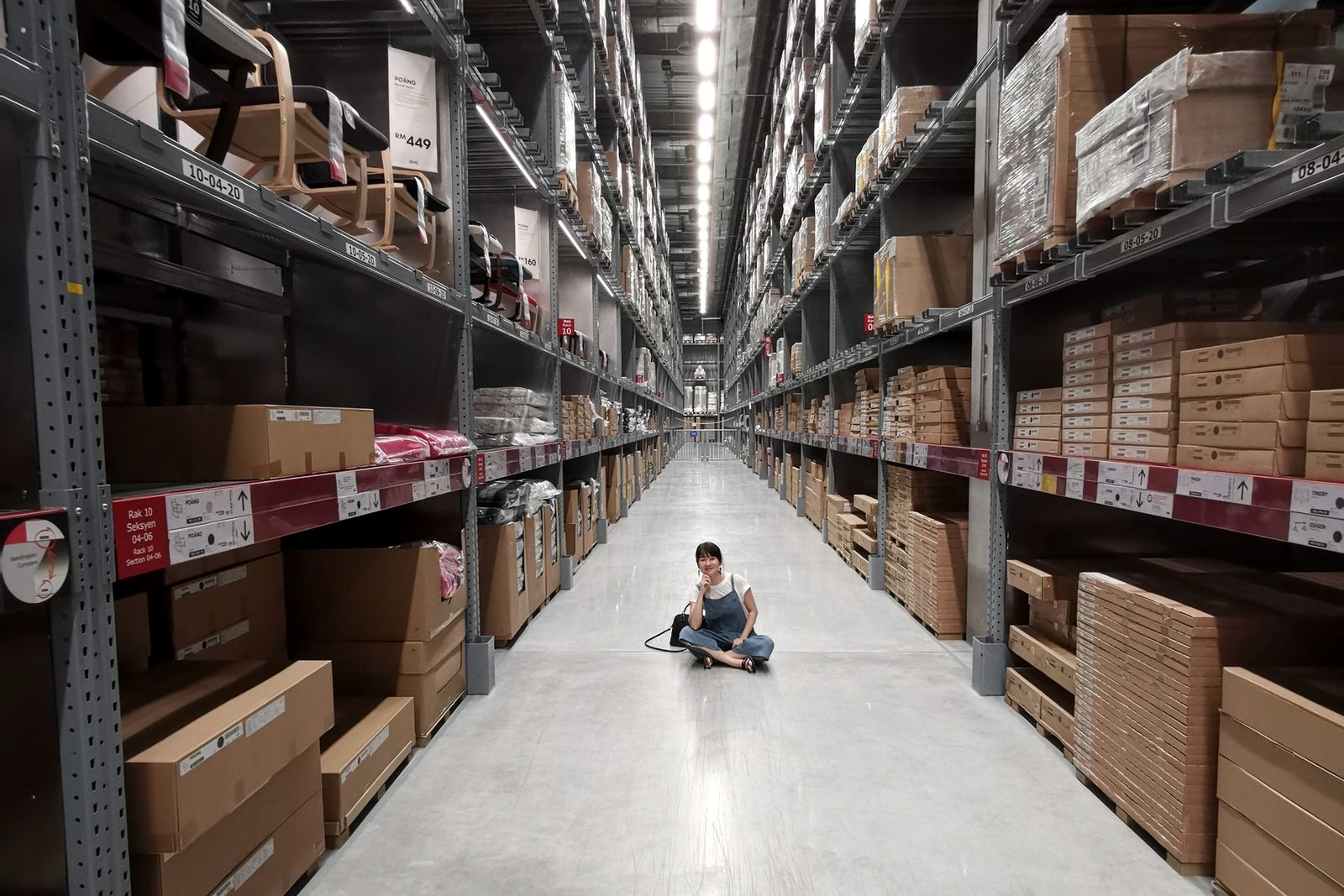
Moreover, the uncertainty created by fluctuating tariffs prompts businesses to place larger orders less frequently or hold back inventory, which in turn strains shipping capacity during peak seasons when demand is already high. This imbalance between supply and demand drives up spot market rates for container space on ships. According to industry reports from reputable sources such as Alphaliner, the average cost of transporting a 40-foot container across major trade routes has risen significantly since the onset of the trade war.
Impact on Retail Prices
The increased shipping costs are passed along to retailers, who in turn raise prices for consumers. This is particularly evident in sectors like electronics and clothing, where imported goods represent a significant portion of sales. For example, televisions, smartphones, and apparel often rely heavily on components sourced from China.
Consumers notice these changes at the checkout counter. A study by the Bureau of Labor Statistics found that prices for imported goods have risen faster than overall inflation rates in recent years. This trend underscores how shipping costs, although a fraction of the retail price, can amplify when compounded across multiple transactions.
Alternative Routes and Strategies
In response to rising shipping expenses and geopolitical risks, some companies are exploring alternative routes and logistical strategies. For instance, cargo ships that traditionally sail from Shanghai to Los Angeles might now opt for a longer path via the Suez Canal to Rotterdam or Hamburg, where distribution networks can be more flexible.
Additionally, businesses are diversifying their supplier base beyond China to countries like Vietnam, Malaysia, and Mexico. While this approach helps mitigate risks associated with trade wars, it introduces new complexities such as currency fluctuations and varying labor costs in different regions.
Cargo Insurance Premiums
The risk of cargo theft, damage, or seizure during transit also increases under tense political conditions. Consequently, insurance premiums for shipping goods have risen sharply. Insurers require higher collateral to cover potential losses, which further inflates the cost of transporting goods internationally.
For instance, a shipment worth $1 million might now incur an additional expense of several thousand dollars in insurance fees due to heightened risks during transit. This financial burden is significant and can affect smaller businesses disproportionately, as they may not have the capital reserves to absorb such costs.
Economic Resilience
The long-term impact of trade wars on shipping costs highlights the need for economic resilience in global supply chains. Companies must develop more solid contingency plans that include diversified sourcing strategies and agile logistics networks capable of adapting quickly to changing conditions.
Moreover, governments play a critical role in fostering stability through multilateral agreements and regulatory frameworks that promote fair trade practices. These efforts can help reduce the uncertainty that drives up shipping costs and ultimately affects consumers worldwide.
The interplay between trade policies and maritime logistics is complex and far-reaching, impacting every link in the supply chain from producers to retailers and finally to end-users. Understanding these dynamics is important for navigating an increasingly unpredictable global economy.