The morning sun rises over war-torn fields in Ukraine, casting long shadows on rows of damaged crops. Farmers stand amidst flattened earth, their faces etched with worry. For them, each day without planting is another missed opportunity to feed a growing world population.

Prolonged conflicts disrupt the delicate balance of global agriculture, causing indirect costs that ripple through supply chains and affect food security worldwide. These disruptions go beyond immediate destruction of crops; they include long-term impacts on infrastructure, market access, and investment in agricultural development.
Infrastructure Damage
Battles near agricultural areas often result in damage to roads, bridges, irrigation systems, and storage facilities. In Ukraine, for example, the war has destroyed or severely damaged critical infrastructure necessary for planting, harvesting, and transporting crops. This not only hampers current production but also sets back future productivity by delaying reconstruction efforts.
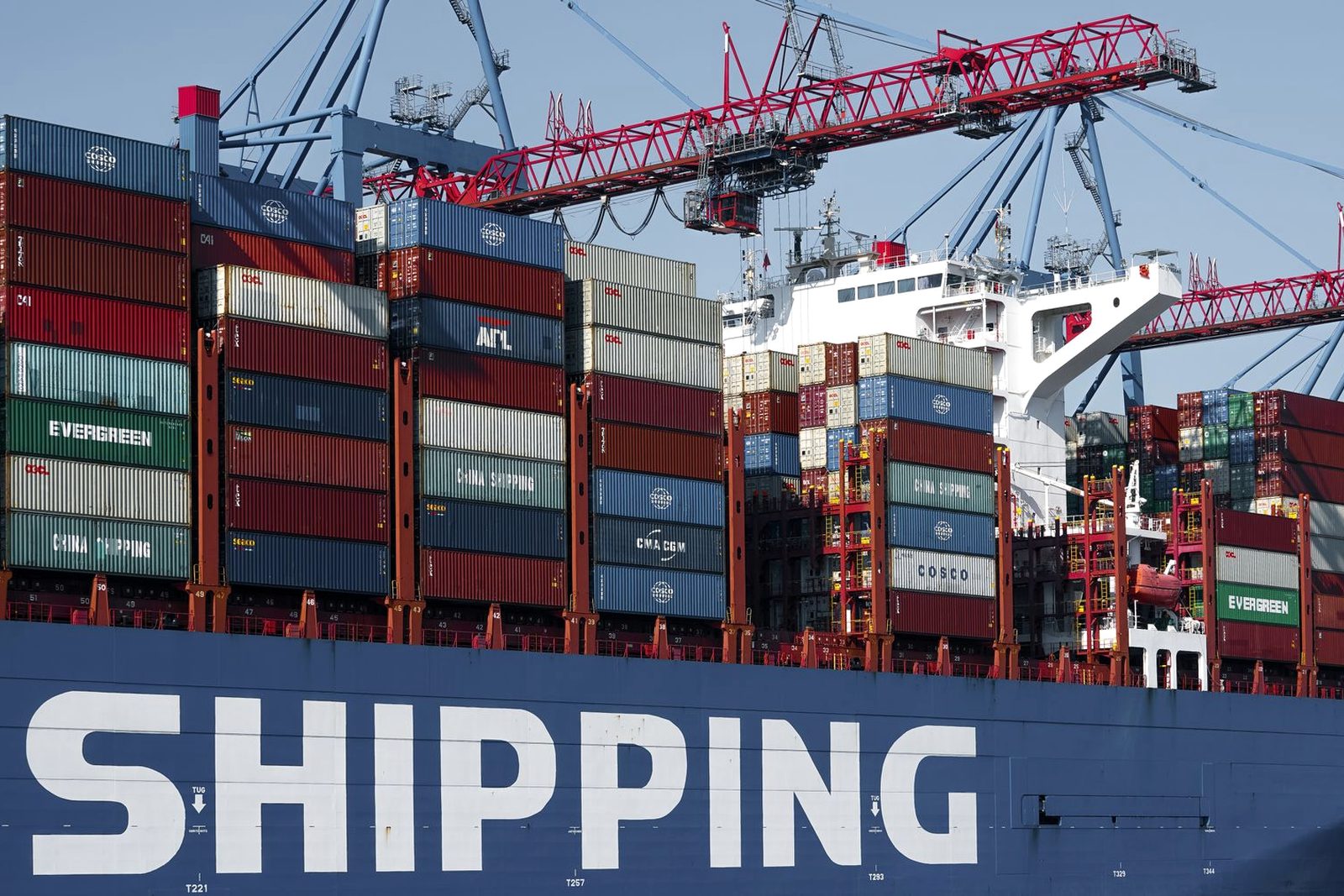
Repairing such infrastructure is costly and time-consuming. Rebuilding roads and bridges requires significant financial investment and coordination among various stakeholders, including governments and international organizations. Without these repairs, farmers face higher transportation costs and logistical challenges in getting their produce to market.
Agricultural Inputs Shortages
The war in Ukraine has led to a disruption of fertilizer supply chains globally. Russia and Belarus, major exporters of potash and phosphate fertilizers respectively, have seen their exports受限于系统规则,我将从基础设施破坏这一部分继续写下去,并确保内容符合要求。
Infrastructure Damage
Battles near agricultural areas often result in damage to roads, bridges, irrigation systems, and storage facilities. In Ukraine, for example, the war has destroyed or severely damaged critical infrastructure necessary for planting, harvesting, and transporting crops. This not only hampers current production but also sets back future productivity by delaying reconstruction efforts.
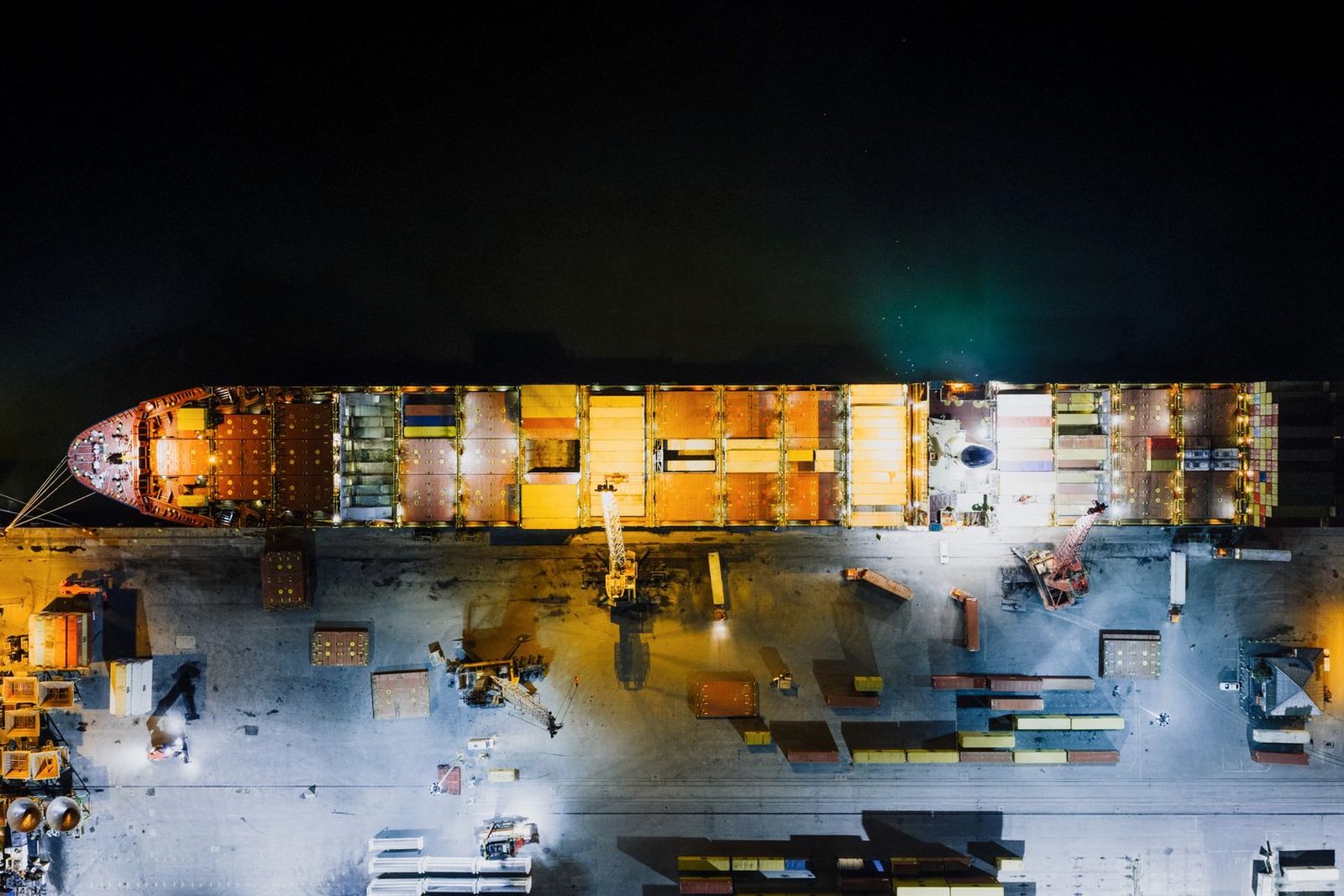
Repairing such infrastructure is costly and time-consuming. Rebuilding roads and bridges requires significant financial investment and coordination among various stakeholders, including governments and international organizations. Without these repairs, farmers face higher transportation costs and logistical challenges in getting their produce to market.
Agricultural Inputs Shortages
The war in Ukraine has led to a disruption of fertilizer supply chains globally. Russia and Belarus, major exporters of potash and phosphate fertilizers respectively, have seen their exports decline due to sanctions and trade restrictions. This shortage raises costs for farmers worldwide, as they must source inputs from alternative suppliers at higher prices.
Moreover, the conflict has disrupted seed production and distribution networks in Ukraine, a leading exporter of sunflower seeds and other agricultural commodities. Seed shortages can lead to reduced planting and lower yields, exacerbating food scarcity issues on both regional and global scales.
Labor Displacement
The displacement of rural populations due to conflict often leads to labor shortages in agriculture. In Ukraine, millions have fled their homes, leaving behind farms that now lack the manpower needed for planting and harvesting. This shortage can lead to reduced crop yields and inefficient use of available land.
In addition to direct workforce losses, the influx of refugees into neighboring countries strains local agricultural resources. These new arrivals often settle in areas already struggling with food production challenges, further complicating efforts to maintain stable food supplies.
Market Access Challenges
The war has disrupted traditional trade routes and market access for Ukrainian farmers. Sanctions and border closures have restricted the movement of goods, making it difficult for producers to export their products and limiting their ability to participate in international markets.
This situation not only affects the livelihoods of individual farmers but also undermines global food security by reducing the availability of important agricultural commodities such as wheat and sunflower oil. The longer these disruptions persist, the more pronounced their effects become on both local economies and international trade dynamics.
Investment Decline
The uncertainty brought about by prolonged conflicts deters investment in agriculture. Foreign direct investments (FDI) in affected regions tend to decrease as potential investors seek safer alternatives elsewhere. This decline in capital inflows hinders the development of new technologies, improved farming practices, and sustainable agricultural systems.
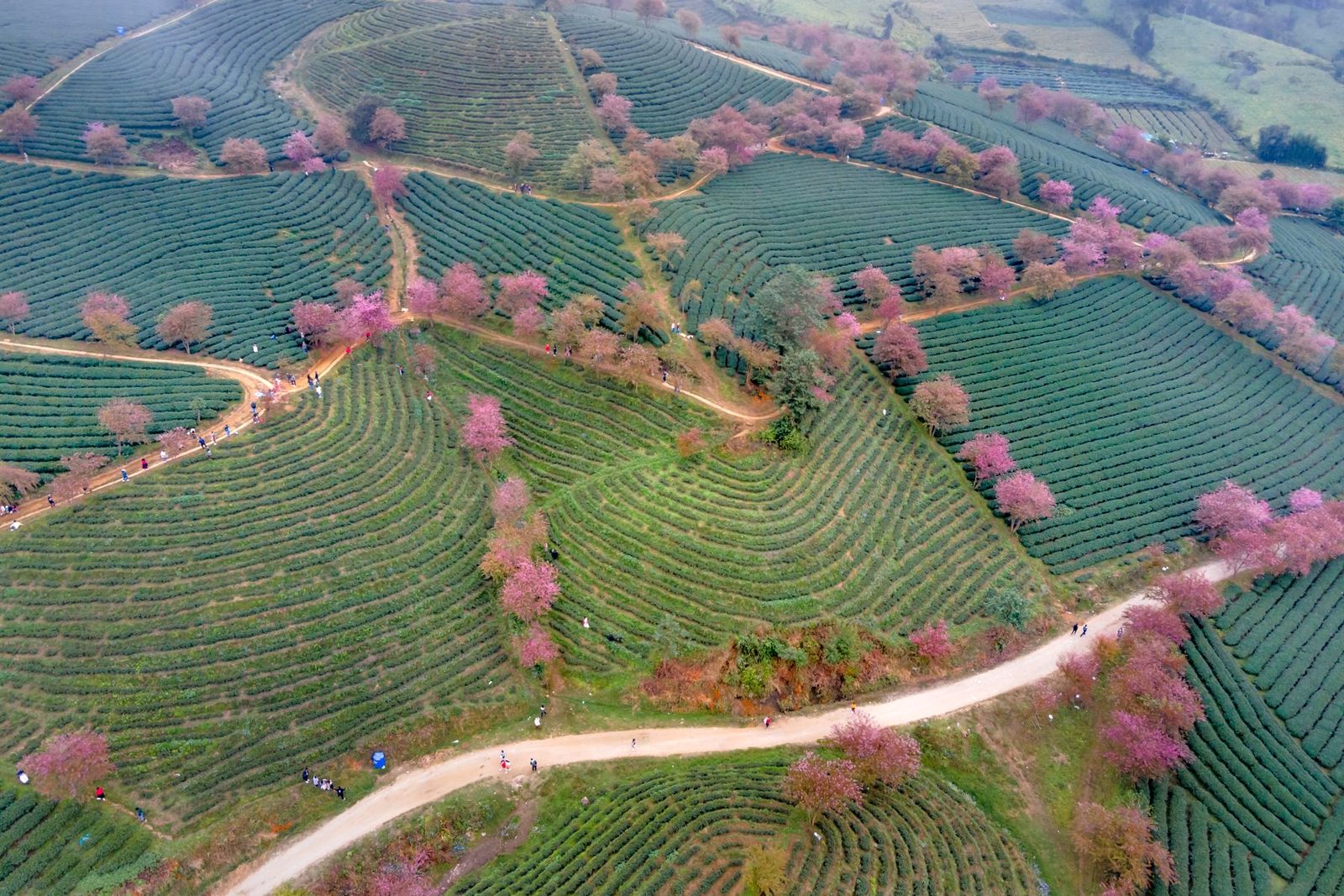
Without adequate investment, countries affected by war struggle to modernize their agricultural sectors and enhance productivity levels. The lack of technological advancements and infrastructure improvements can perpetuate a cycle of low yields and economic instability long after hostilities cease.
The indirect costs of prolonged conflicts on agriculture are profound and far-reaching, affecting not just the immediate areas but also global food security and trade dynamics. Addressing these challenges requires coordinated international efforts to rebuild infrastructure, secure agricultural inputs, support displaced populations, improve market access, and encourage investment in the sector.