
The morning of June 25, 1967, found the Israeli destroyer INS Eilat patrolling near the Straits of Tiran at the entrance to the Gulf of Aqaba. The Eilat was one of several naval vessels tasked with protecting Israel’s access to this important shipping route, which connects the Red Sea to the port city of Elath and beyond to the oil fields of the Arabian Peninsula. Within hours, the straits would become a flashpoint in the Six-Day War.

Strategic Importance
The strategic importance of chokepoints like the Straits of Tiran is undeniable. These narrow waterways are important for global trade and military operations, serving as important arteries that connect continents. The Panama Canal, opened in 1914, dramatically reduced shipping distances between the Atlantic and Pacific Oceans by eliminating the need to sail around South America’s Cape Horn. Similarly, the Suez Canal, completed in 1869, shortened the route from Europe to Asia by thousands of miles compared to a voyage around Africa.

Chokepoints like these not only expedite maritime commerce but also concentrate risk. The Panama Canal can handle up to 50 ships per day during peak times, yet its single-line operation makes it susceptible to congestion and delays when maintenance or weather disrupts operations. Any disruption here can have a ripple effect on global shipping schedules.
Impact on Freight and Insurance
The closure of the Suez Canal in 1967 during the Six-Day War forced ships bound for Europe from Asia to take the longer route around Africa, adding weeks to their path. This rerouting not only increased fuel costs but also strained shipping capacity at a time when demand was already high.
Freight rates and insurance premiums spike when chokepoints are threatened or closed due to geopolitical tensions or natural disasters. The 2013 grounding of the MV Mediterranean Shipping Company Chicago in the Suez Canal for several days caused a backlog that disrupted global supply chains, leading to higher costs and delays. Insurers must factor these risks into their pricing models, reflecting the unpredictability inherent in maritime trade.
Routing Risk in Contracts
Navigating chokepoints requires careful planning and risk assessment. Trade agreements often include clauses addressing routing risks, stipulating alternative routes or penalties for delays caused by such events. For example, shipping contracts might specify fallback options through the Cape of Good Hope if access to the Suez Canal is compromised.
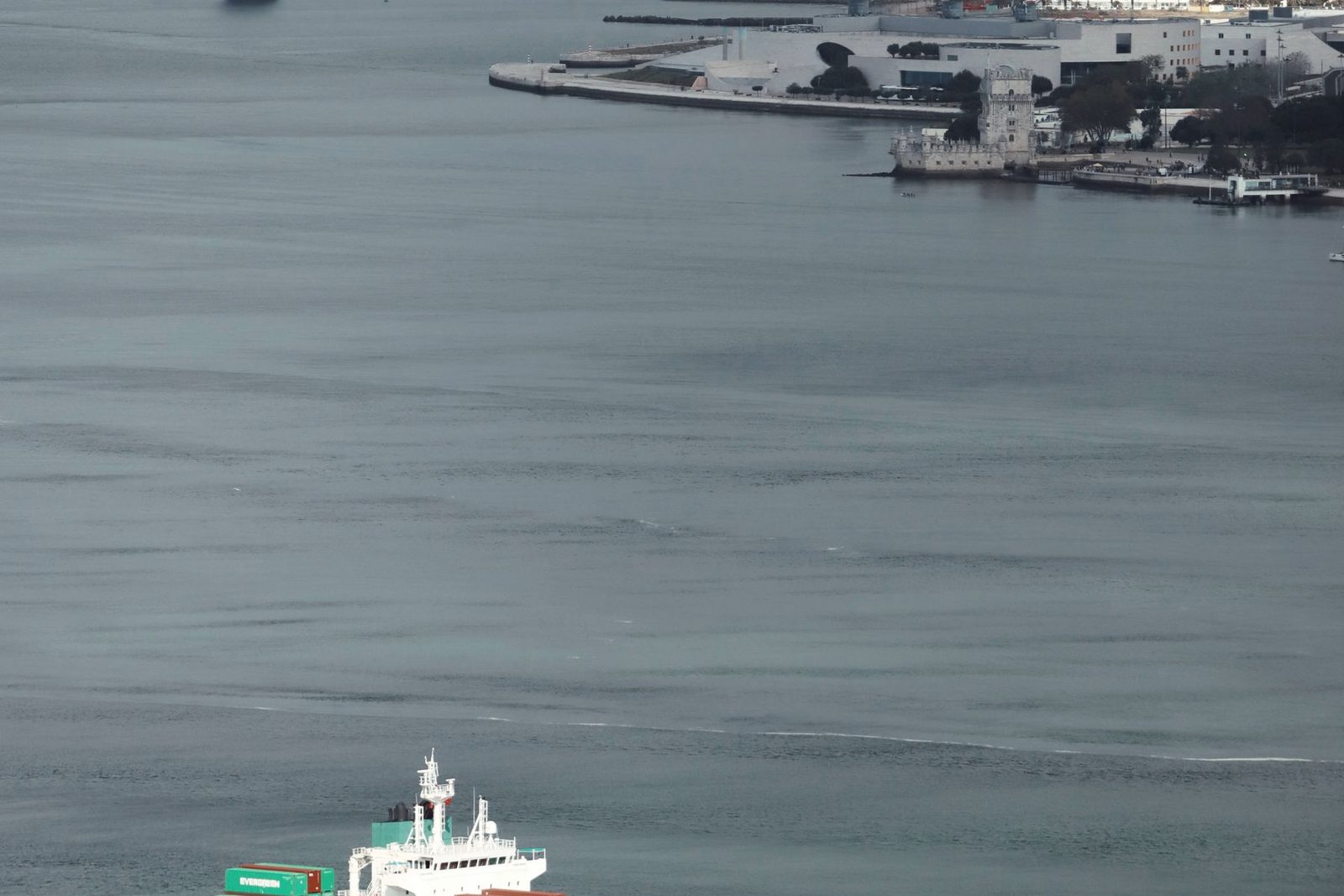
Energy companies with interests in oil-rich regions like the Persian Gulf rely heavily on maritime routes that pass through chokepoints like the Strait of Hormuz and the Bab-el-Mandeb. These straits are critical for transporting crude oil from the Middle East, where 30% of global oil exports pass through the Strait of Hormuz alone.
Historical Lessons
The history of maritime chokepoints teaches us that control over these narrow passages can shift dramatically and suddenly. The British Empire once held sway over critical routes like Gibraltar and Suez, but their strategic importance has since passed to other nations.
The 1973 oil crisis highlighted the vulnerability of global energy supply chains when OPEC countries used their control over chokepoints to enforce embargoes on oil exports. Similarly, the ongoing tensions in the South China Sea highlight how territorial disputes can disrupt trade and increase maritime risks.
Future Challenges
The future will likely see more competition for access to chokepoints as global demand for resources continues to grow. Emerging powers may seek to establish new shipping routes or enhance existing ones, such as China’s Belt and Road Initiative, which includes plans to develop ports along key maritime corridors.

Technological advancements like larger container ships and automated systems will also play a role in shaping future chokepoint dynamics. Yet these innovations do little to address the inherent risks posed by narrow waterways that remain critical for global trade.
Closing Argument
The control of maritime chokepoints is an enduring challenge for international commerce. Understanding their historical and strategic importance is important for navigating the complexities of modern trade and ensuring resilience in supply chains.
