
The queue outside Shanghai's Yangshan Port is not just another traffic jam, it is a bottleneck for global supply chains that affects every cargo owner. Each day a ship waits in line costs thousands of dollars in demurrage fees and can push perishables past their retail window, resulting in lost sales and increased waste. This congestion imposes a hidden tax on trade, one that finds its way into the profit-and-loss statements weeks after the fact.

Demurrage and Detention
Demurrage charges start accruing as soon as a ship arrives at a congested port but cannot unload due to long queues. According to the International Chamber of Commerce, demurrage fees can range from $100 to over $1,000 per container per day, depending on the size and type of vessel involved. When ships are delayed for weeks waiting to dock, these costs accumulate rapidly.
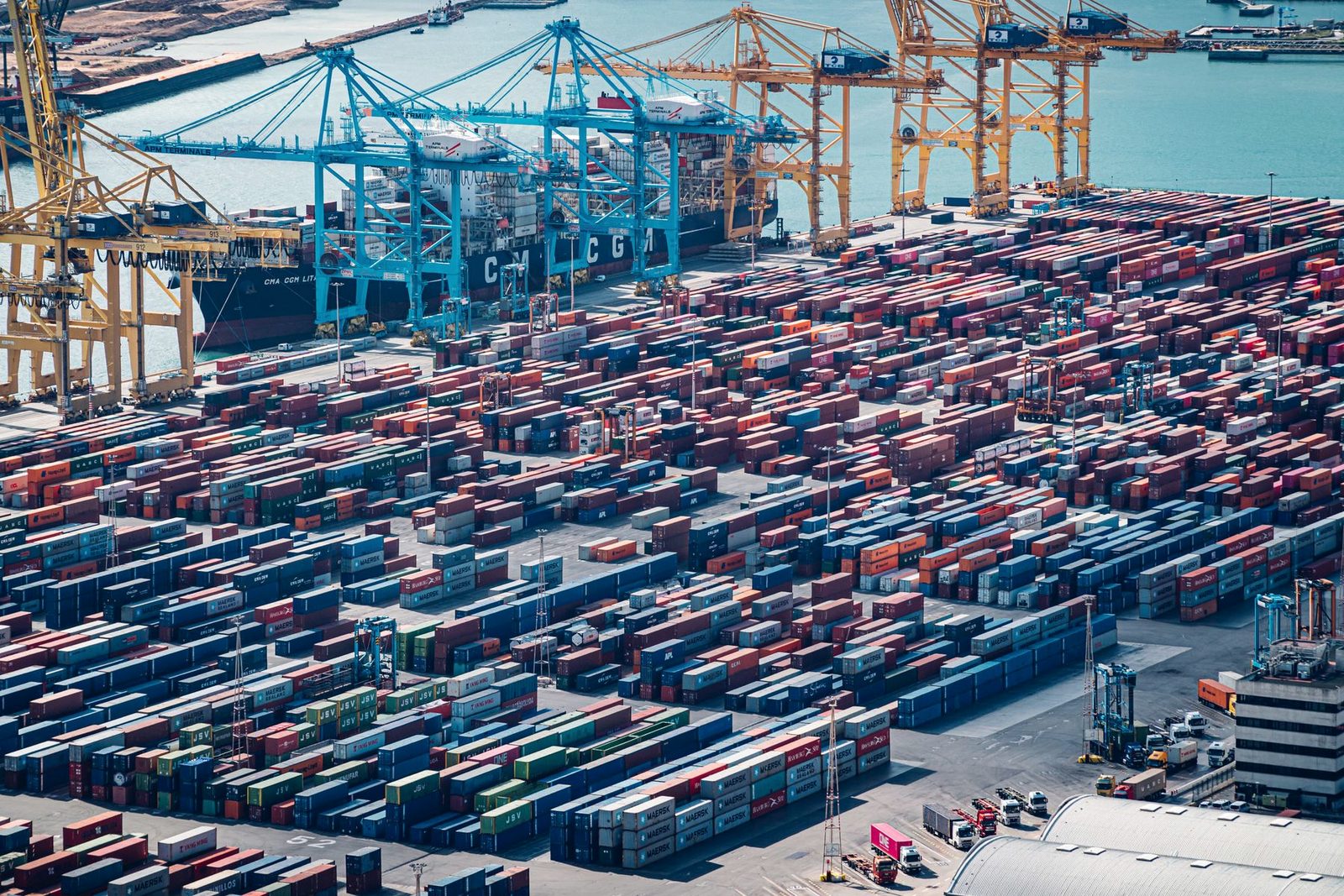
Detention charges compound this issue by penalizing cargo owners if containers are not returned promptly once unloaded. These fees can add up to 15% of the container's cost per day, incentivizing rapid turnaround but complicating logistics when ports face delays. For perishables like fresh produce or chilled meat, time wasted in port queues means a direct hit on shelf life and market value.
Missed Retail Windows
Congestion outside major ports disrupts the tight schedules needed to deliver goods at peak retail demand times. A missed delivery window can mean that perishable items are no longer fresh enough for premium pricing, turning a high-margin product into a low-value commodity overnight.
For example, during the holiday season, a delay of just one week can push Christmas hams and Easter eggs past their prime selling period, reducing margins significantly. Retailers often cannot store these goods indefinitely due to limited cold storage capacity, leading to increased waste as unsold items are discarded rather than sold at discounted prices.
Rolling Bookings
Congestion forces shipping lines to roll bookings: when a ship is delayed and cannot load all its scheduled containers, those left behind must wait for the next available slot. This practice disrupts supply chains, causing delays that ripple through distribution networks.
Rolled bookings can also lead to higher costs as shippers may have to pay more for expedited shipping or charter additional vessels to catch up with demand. The cost of these alternatives is often borne by cargo owners and incorporated into the final price paid by retailers and consumers, further eroding profit margins in competitive markets.
Impact on Profitability
The financial impact of port congestion is not immediate but accumulates over weeks as delays translate into higher operational costs and lost sales opportunities. For a cargo owner like Global Pacific Food Group, which relies heavily on timely delivery to maintain market share and customer loyalty, these disruptions can undermine long-term profitability.
Each delay adds layers of complexity and cost that are difficult to mitigate in the short term. Increased expenses for expedited shipping, storage fees at warehouses, and labor costs associated with handling delayed shipments all contribute to a higher overall cost structure. This pressure on margins is exacerbated by the need to maintain service levels and customer satisfaction.
Strategic ResilienceThe queue outside Shanghai's Yangshan Port is not just another traffic jam, it is a bottleneck for global supply chains that affects every cargo owner. Each day a ship waits in line costs thousands of dollars in demurrage fees and can push perishables past their retail window, resulting in lost sales and increased waste. This congestion imposes a hidden tax on trade, one that finds its way into the profit-and-loss statements weeks after the fact.
Demurrage and Detention
Demurrage charges start accruing as soon as a ship arrives at a congested port but cannot unload due to long queues. According to industry standards, demurrage fees can range from $100 to over $1,000 per container per day, depending on the size and type of vessel involved. When ships are delayed for weeks waiting to dock, these costs accumulate rapidly.
Detention charges compound this issue by penalizing cargo owners if containers are not returned promptly once unloaded. These fees can add up to 15% of the container's cost per day, incentivizing rapid turnaround but complicating logistics when ports face delays. For perishables like fresh produce or chilled meat, time wasted in port queues means a direct hit on shelf life and market value.
Missed Retail Windows
Congestion outside major ports disrupts the tight schedules needed to deliver goods at peak retail demand times. A missed delivery window can mean that perishable items are no longer fresh enough for premium pricing, turning a high-margin product into a low-value commodity overnight.
For example, during the holiday season, a delay of just one week can push Christmas hams and Easter eggs past their prime selling period, reducing margins significantly. Retailers often cannot store these goods indefinitely due to limited cold storage capacity, leading to increased waste as unsold items are discarded rather than sold at discounted prices.
Rolling Bookings
Congestion forces shipping lines to roll bookings: when a ship is delayed and cannot load all its scheduled containers, those left behind must wait for the next available slot. This practice disrupts supply chains, causing delays that ripple through distribution networks.
Rolled bookings can also lead to higher costs as shippers may have to pay more for expedited shipping or charter additional vessels to catch up with demand. The cost of these alternatives is often borne by cargo owners and incorporated into the final price paid by retailers and consumers, further eroding profit margins in competitive markets.
Impact on Profitability
The financial impact of port congestion is not immediate but accumulates over weeks as delays translate into higher operational costs and lost sales opportunities. For a cargo owner like Global Pacific Food Group, which relies heavily on timely delivery to maintain market share and customer loyalty, these disruptions can undermine long-term profitability.
Each delay adds layers of complexity and cost that are difficult to mitigate in the short term. Increased expenses for expedited shipping, storage fees at warehouses, and labor costs associated with handling delayed shipments all contribute to a higher overall cost structure. This pressure on margins is exacerbated by the need to maintain service levels and customer satisfaction.
Port congestion acts as an unseen tax on global trade, imposing significant financial burdens that manifest weeks after initial delays. Cargo owners must adopt strategic measures to mitigate these impacts, such as diversifying shipping routes and enhancing inventory management systems, to ensure continued profitability in the face of ongoing supply chain challenges.
