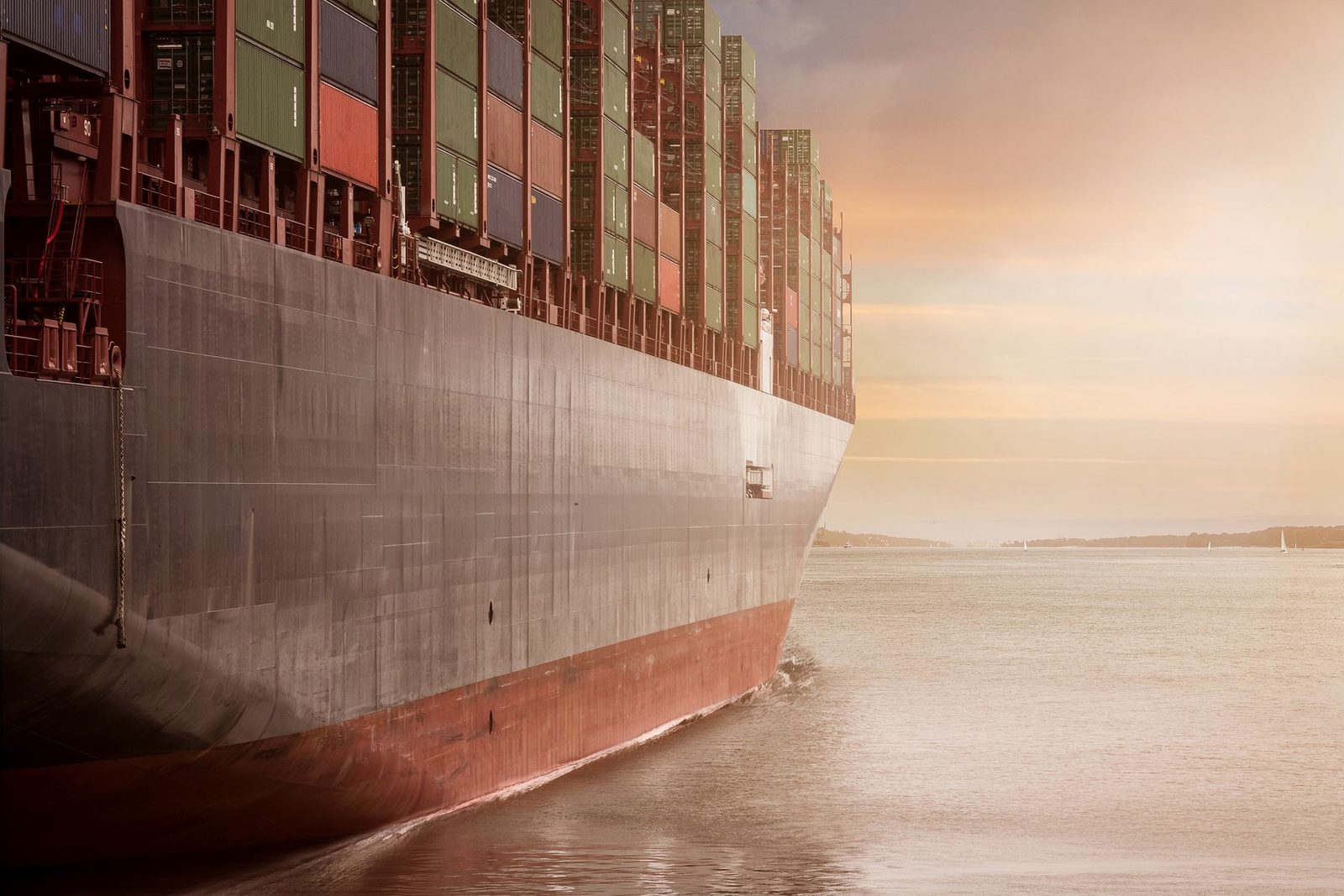
More than four fifths of world trade by volume moves by sea, and much of it funnels through a short list of narrow places: Suez, Panama, Hormuz, Malacca, the Bab el-Mandeb. The Suez Canal alone carries roughly twelve percent of world seaborne trade. When conflict touches one of these corridors, nothing needs to sink for the economics to change. The mere possibility of harm is priced, insured, and routed around, and those costs flow into everything that floats.
How war risk gets priced
Ordinary marine insurance excludes war. Cover against mines, missiles, seizure and hostilities is bought separately, and the London market maintains a standing committee that lists the waters it considers elevated risk. A ship entering a listed area must notify its insurers and pay an additional premium for the passage, called a breach premium, quoted as a percentage of the vessel's insured value and repriced as often as conditions change. This is the market's thermometer. When attacks on shipping in the Red Sea escalated in late 2023, breach premiums for those waters multiplied within weeks, adding hundreds of thousands of dollars to the cost of a single transit for a large vessel. No cargo had to be lost for that cost to be real. The quote itself does the work.
Crews are priced too. Seafarers' collective agreements designate warlike-operations areas where crews earn bonus pay and hold the right to refuse the voyage. Add the extra premium, the extra wages and the extra security measures, and a routine passage through a listed zone becomes a line-item decision that a shipowner runs like any other investment case.
The detour calculation
When the sums stop working, ships go around. The alternative to Suez is the Cape of Good Hope, which adds thousands of miles and, for an Asia-to-Europe voyage, roughly ten days or more of steaming. The extra fuel alone runs to hundreds of tonnes per voyage. Just as important is what the detour does to capacity: a longer round trip means each vessel completes fewer voyages per year, which quietly removes shipping supply from the market and pushes freight rates up for everyone, including routes nowhere near the conflict. This happened at scale in 2024, when much of the container fleet abandoned the Red Sea for the Cape and freight indices spiked worldwide.
History offers the extreme case. After the 1967 war, the Suez Canal closed for eight years, trapping fourteen ships inside for the duration, and the entire Europe-Asia trade rebuilt itself around Africa. That closure reshaped the industry itself: it strengthened the case for the giant supertankers of the 1970s, which were designed for economics in which the long way round was the only way round. Chokepoint risk does not just reroute ships. Given enough time, it redesigns them.
Who ends up paying
Every one of these costs cascades. The shipowner bills the charterer, the charterer bills the cargo owner through freight and surcharges, and the cargo owner recovers what it can in its own prices. For high-value goods, war-risk surcharges are irritating. For low-margin, time-sensitive cargo, they can decide whether the trade happens at all. Perishables are the sharpest case: a detour that adds ten days is survivable for sneakers and fatal for fruit, which is why conflict zones see reefer services withdrawn early, long before general cargo gives up.
Manufacturers feel it through inventory. Systems tuned to just-in-time delivery inherit every day of maritime delay as a production risk, and the standard defence, holding more stock, is itself a cost: warehouses, working capital, obsolescence. One of the underappreciated effects of maritime conflict is that it quietly raises the world's inventory levels, and someone pays for every pallet of that caution.
The tanker precedents
The modern playbook was written in the 1980s, when the Iran-Iraq war spilled onto the water and hundreds of merchant vessels were attacked in the Gulf. The response established the pattern still used today: soaring war-risk premiums, naval convoys, and even the reflagging of Kuwaiti tankers under the American flag to bring them inside naval protection. Shipping kept moving throughout, which is the other half of the lesson. The industry almost never stops. It reprices, rearms its paperwork, and keeps steaming, passing the bill down the chain with professional efficiency.
That is the real meaning of war risk on the water. Conflict does not usually block trade. It taxes it, through premiums, wages, fuel, time and inventory, and the tax is collected from everyone who buys anything that ever saw a ship. Which is everyone.