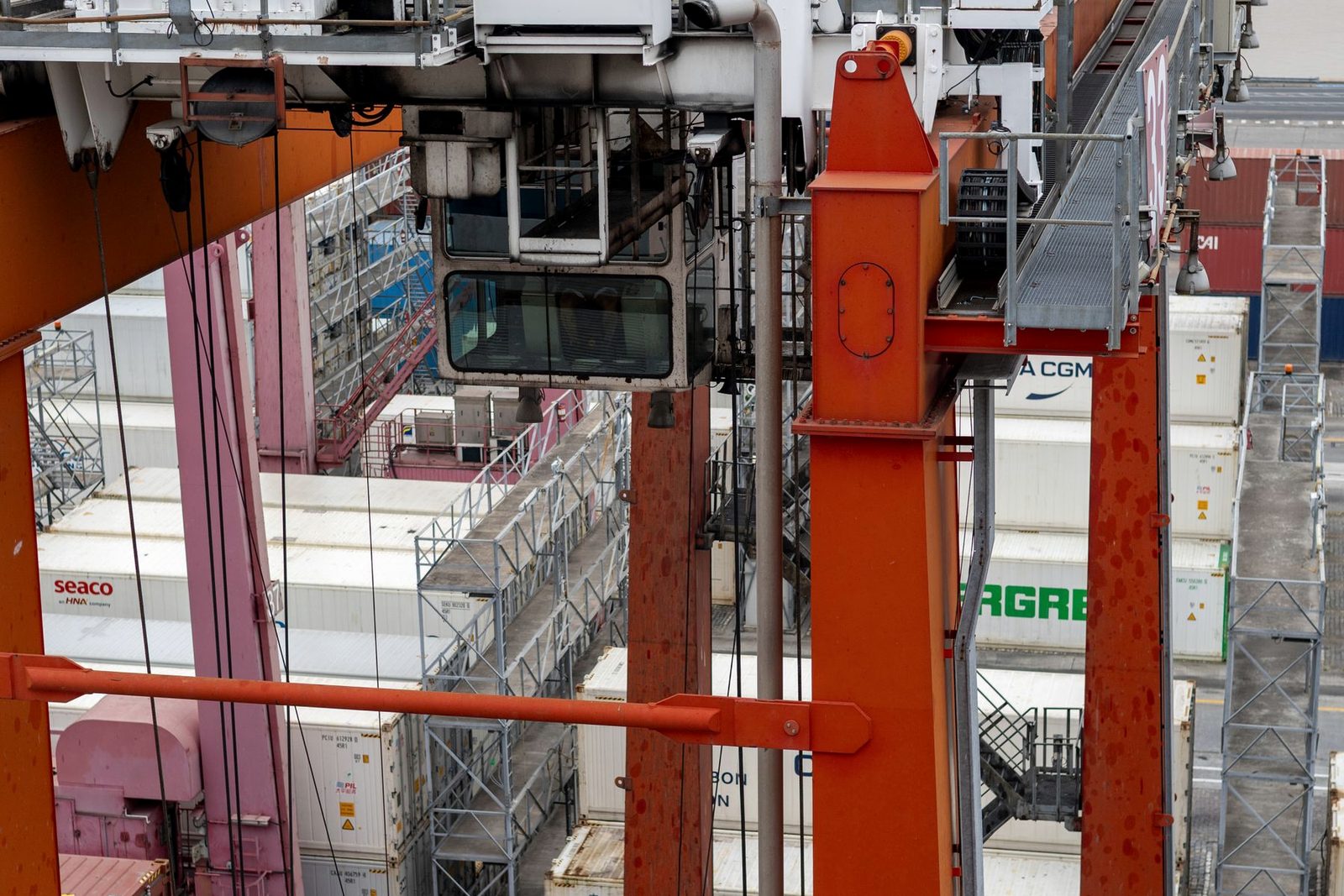
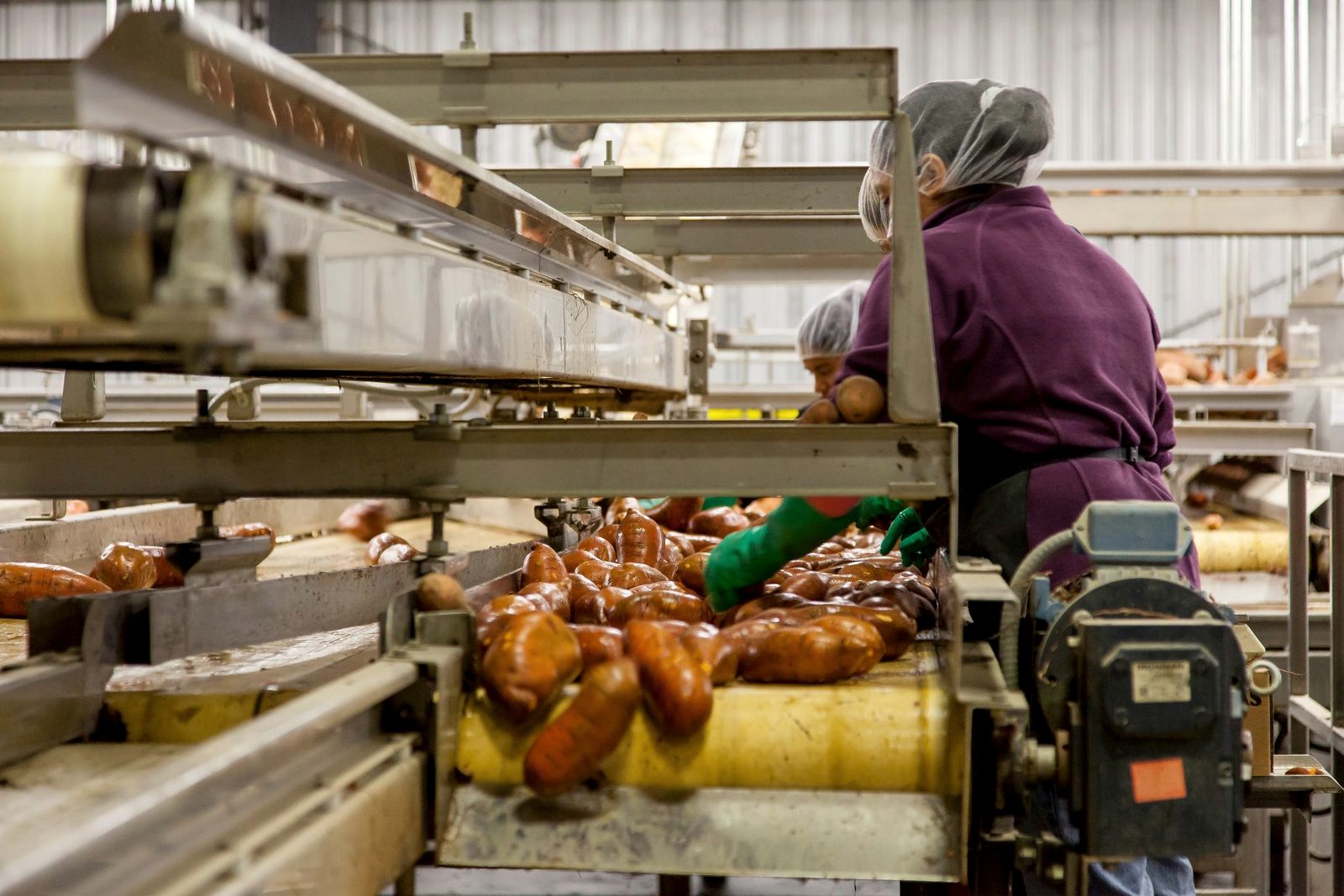
Ask an outsider where a fruit business makes its money and they will point at the orchard. Ask anyone in the trade and they will point at a large shed with a concrete floor. The packhouse is where fruit stops being a crop and becomes a product, and it is where most of the margin in fresh produce is either made or quietly destroyed. The building has looked roughly the same for a century, as the photograph shows. The economics inside it reward the same virtues they always did: speed, accuracy and discipline.

Throughput is the heartbeat
A packhouse is a fixed cost with a conveyor through it. The building, the graders, the cooling plant and the core team cost broadly the same whether the lines run flat out or half idle, so the cost of packing a single case is largely a function of how many cases share the bill. This is why the trade obsesses over throughput and why harvest scheduling is a commercial skill, not a farming detail. Fruit arriving in one overwhelming wave forces expensive overtime and queues in which quality decays. Fruit arriving too slowly leaves machinery eating overhead in silence. The well-run house negotiates picking schedules with growers precisely so the line hums steadily for as many hours of the season as possible.
Grading: where value is sorted, not added
Everything that enters the shed gets judged against a retail specification: size, colour, sugars, blemish, firmness. The judgment does not change the fruit. It changes the price. Top-grade fruit earns the programme price. The rest cascades down a ladder of outlets, second-tier retail, wholesale markets, processing, juice, feed, each rung paying less than the one above. The gap between the top rung and the bottom is enormous relative to the margin on any single case, which yields the packhouse's core arithmetic: small movements in the percentage of fruit making top grade swing the profitability of the entire operation.
Suppose, purely as illustration, that a line packs a thousand cases an hour and the spread between top grade and the salvage outlets is a few dollars a case. Then each percentage point of fruit that slips a grade is costing tens of dollars an hour, every hour, all season. That is why optical sorters, which photograph and grade every single fruit at line speed, pay for themselves not by replacing labour but by grading more consistently than tired human eyes at hour nine of a shift. The machine's real product is the percentage.
Labour: the largest controllable line
Even in an automated house, people remain among the largest operating costs, and the difference between a trained packer and a new one shows up directly in speed and in damage. Fruit is bruised by handling, and bruises are graded, and gradings are money. Seasonal workforces make this harder: the labour force is rebuilt every year, so training, retention and rostering are financial disciplines rather than personnel niceties. The houses that keep their good people season after season are buying back their training costs with interest.
Packaging and the retailer's rulebook
Packaging is a real cost line, and it is mostly dictated from outside. Retailers specify the case, the liner, the label, the print, even the punnet the shopper lifts, and the specification changes by customer and by promotion. A house serving several retail programmes is running several packaging inventories in parallel, forecasting each, and eating the write-off when a spec changes mid-season. None of this is glamorous. All of it is margin: buy cartons a few cents better, waste one percent less material, avoid one obsolete pallet of printed film, and the sums compound across millions of cases.
The rejection, and why everything serves it
The packhouse's whole season is graded by a moment it does not control: the inspection at the retailer's depot. A delivery that fails, on temperature, on spec, on timing, can be rejected in full, and the loss includes the fruit, the freight, the shelf gap and a mark against the supplier's service record that shadows the next negotiation. This is why the disciplines above are not independent virtues. Throughput protects freshness, grading protects spec, training protects both, and the cold chain, as we argue elsewhere in these pages, underwrites the lot.
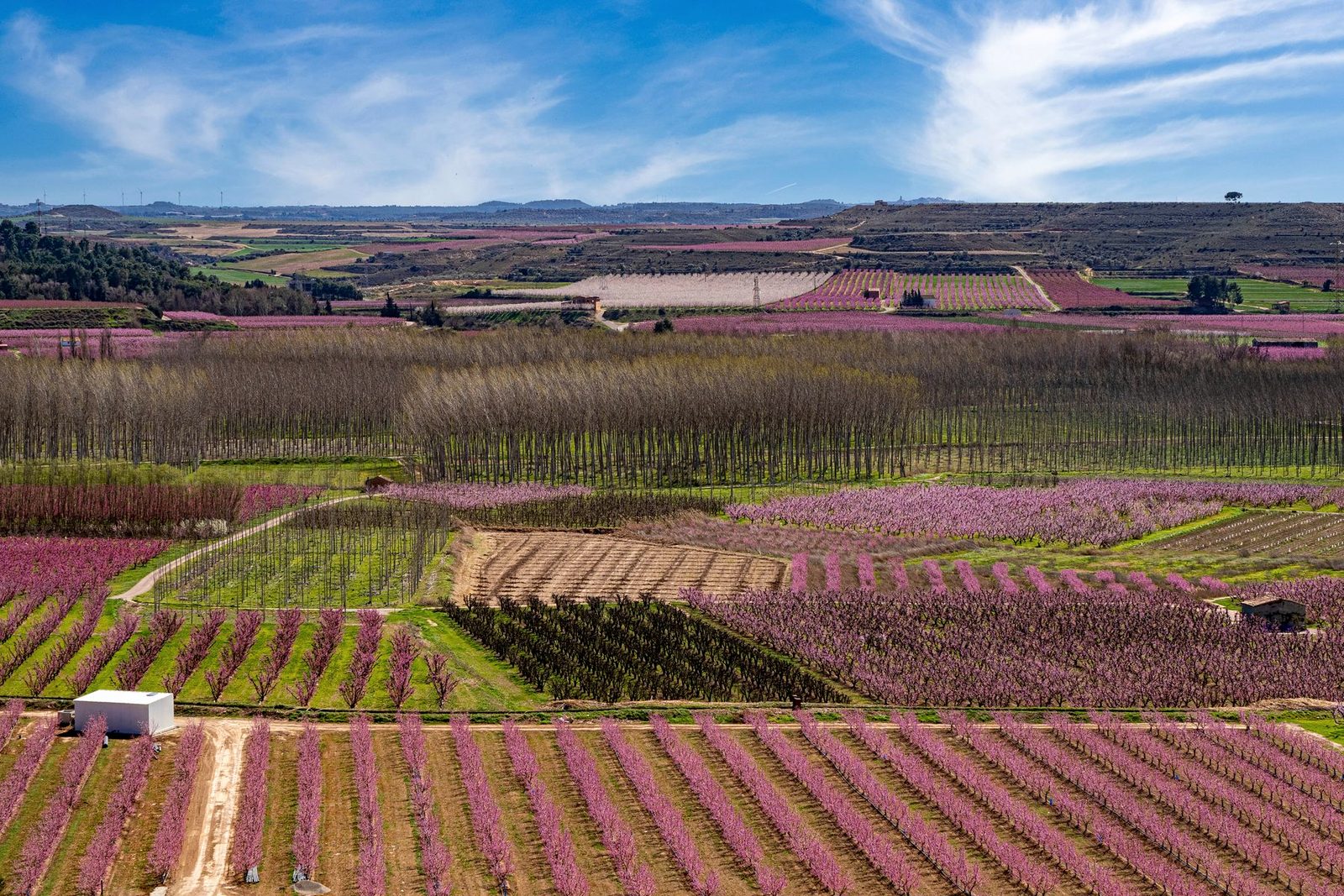
Global Pacific's operations run on exactly this logic, from Chilean grape sheds to the certified facilities behind its retail programmes in the UK and Europe. The fruit gets the photography. The margin lives in the shed.