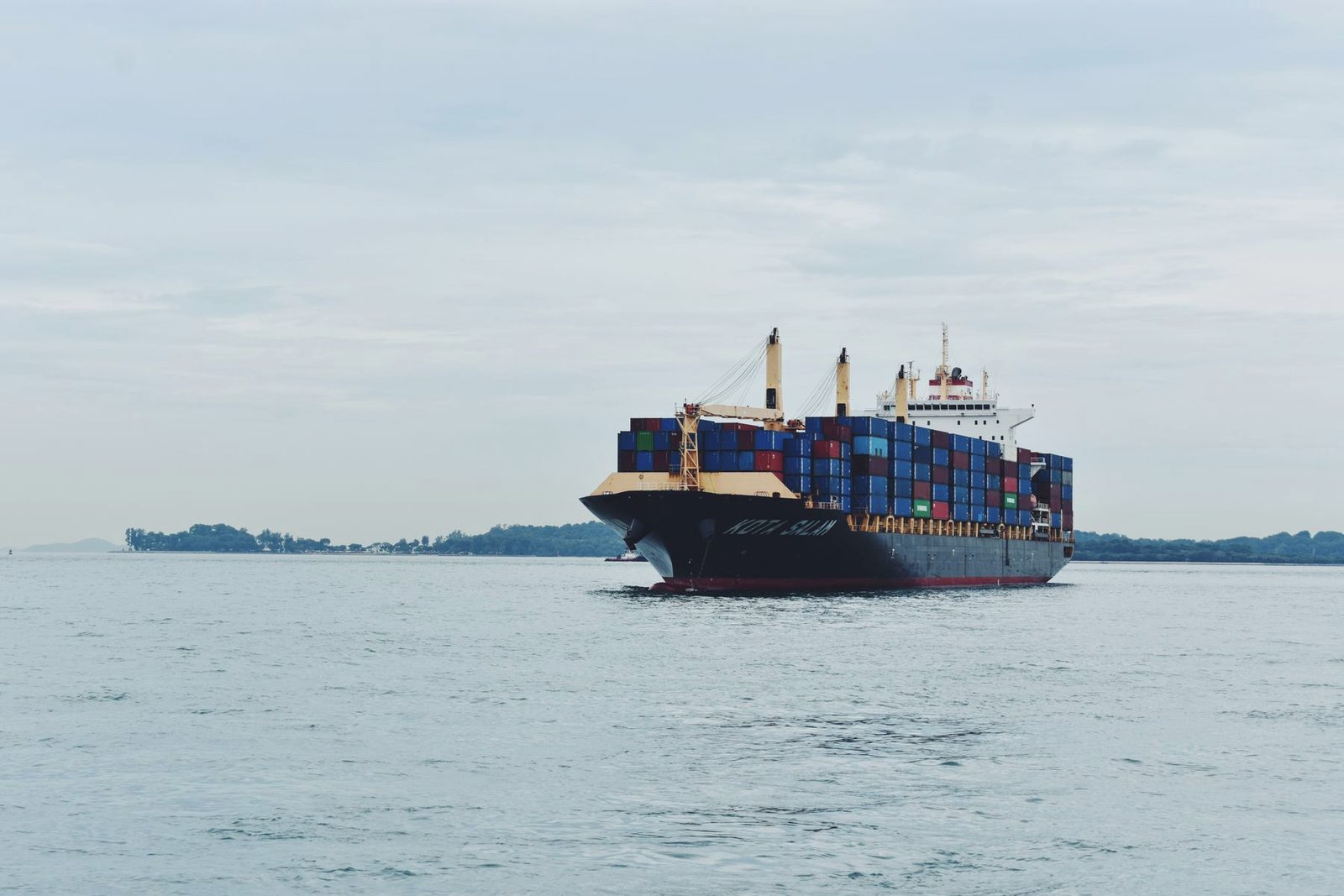
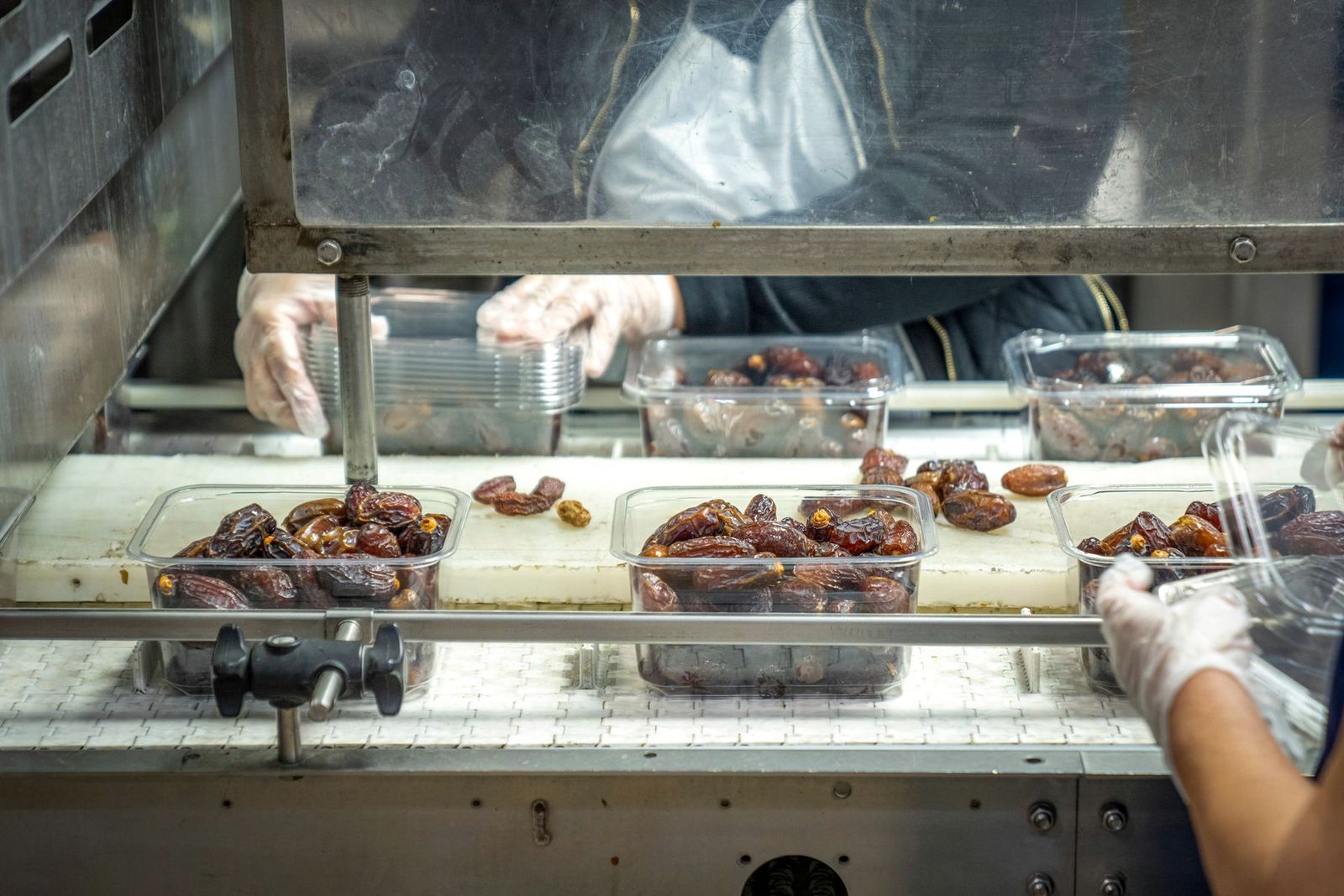
A banana does not spoil in a moment. It spoils by degrees, literally. Every hour it spends above its ideal carriage temperature, the fruit burns through its own shelf life, and shelf life is the only thing a retailer is really buying. That is why the cold chain, the unbroken sequence of refrigeration that carries produce from field to shelf, is best understood not as plumbing but as a financial instrument. It is the mechanism that preserves the value of the inventory while the inventory crosses an ocean.

What the cold chain actually is
Fruit and vegetables are alive after harvest. They keep respiring, consuming their own sugars and moisture, and the warmer they are, the faster they do it. Refrigeration does not stop the clock. It slows it. Hold table grapes near freezing and they can travel for weeks. Let the same grapes sit on a hot quay for an afternoon and the journey is over before it starts, whatever the paperwork says.
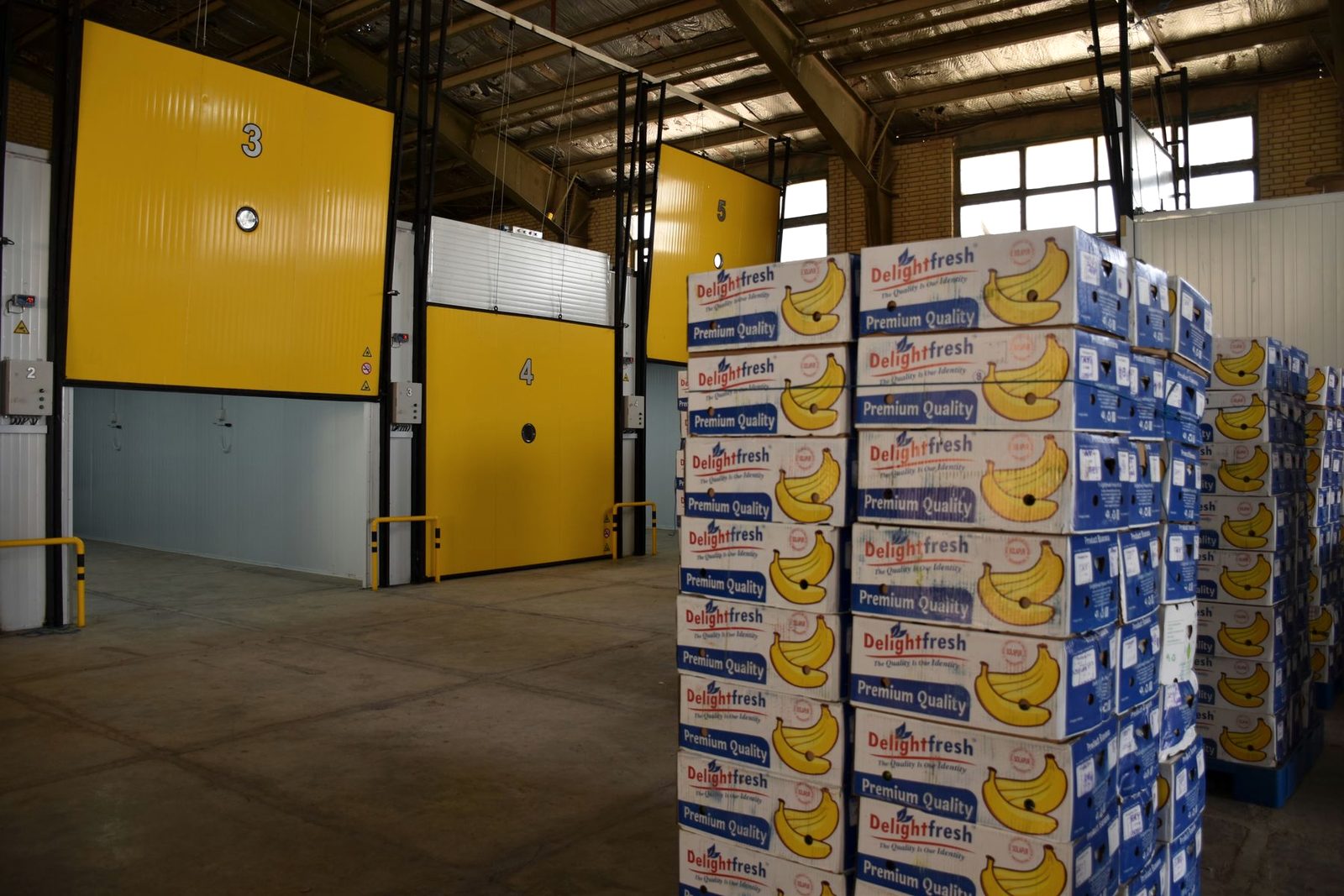
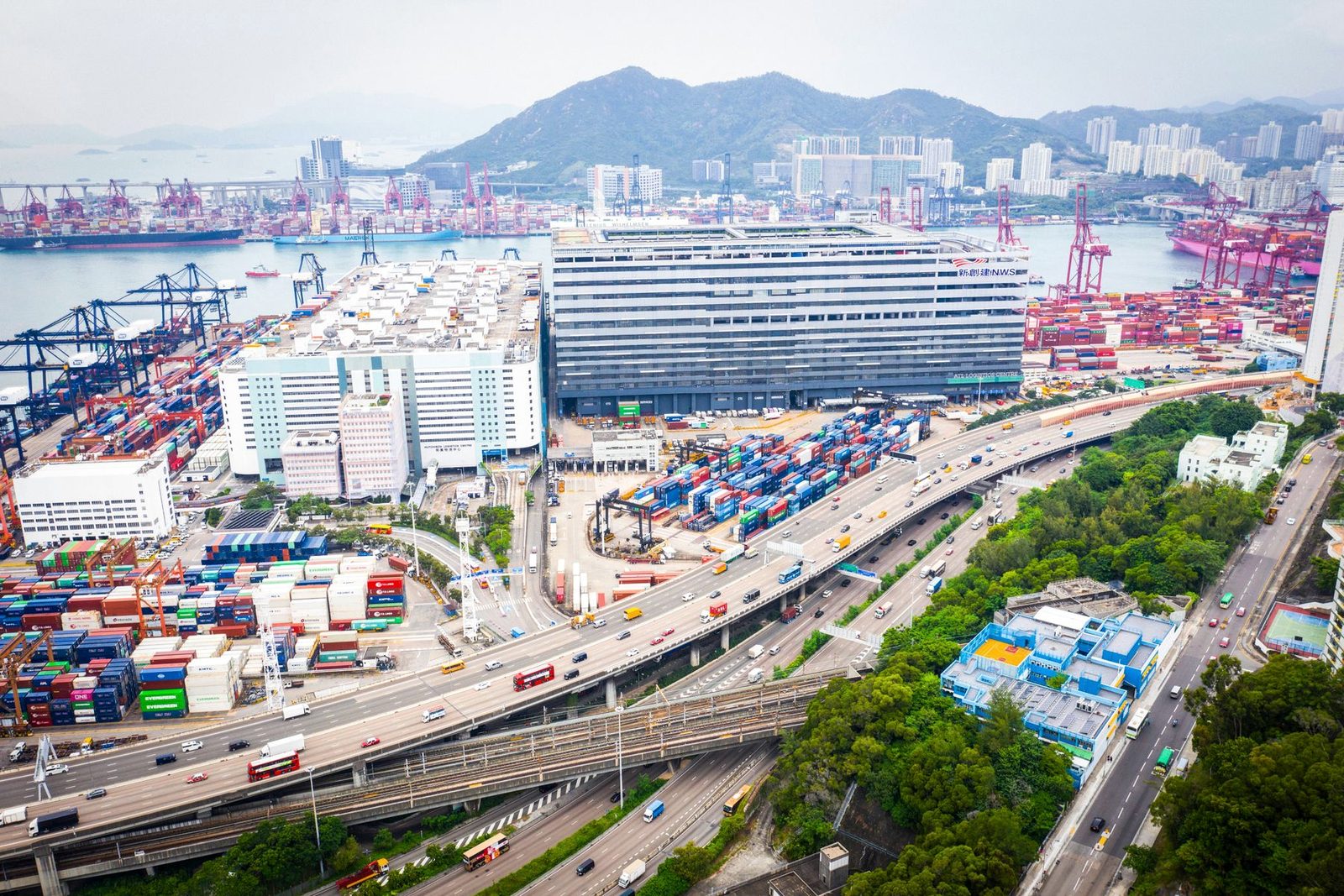
The chain has more links than most people picture. Field heat is pulled out within hours of picking, usually in a forced-air cooler at the packhouse. The fruit then moves through cold storage, a refrigerated truck, a port cold store, a refrigerated container on the water, another truck, and a retail distribution centre. Each link is a machine that can fail and a handover where doors open. The discipline of the trade is that the chain is judged by its weakest link, not its average.
Temperature is money
The industry word for the loss is shrink: product that was bought and paid for but cannot be sold at full value. Some shrink is visible, a soft berry or a collapsed carton. Much of it is invisible at the point of failure and only appears days later, on the shelf, as fruit that ages faster than it should. A retailer who receives that fruit does not argue about the science. It rejects the delivery, claims against the supplier, or quietly moves its programme to someone else.

Bananas are the classic illustration. The trade carries them in a narrow band around 13 to 14 degrees Celsius, cool enough to hold ripening, warm enough to avoid chilling injury. Outside that band, in either direction, the cargo begins converting itself from an asset into a write-off. Every temperate fruit has its own version of that band, and the whole logistics system exists to stay inside it.
A worked example
Suppose an importer lands a container of strawberries with seven days of saleable life remaining, and the retail programme needs five of them: one in the distribution centre, four on the shelf. The margin on that container depends entirely on the two spare days. Now suppose a reefer unit ran warm for twelve hours in transit. Nothing looks wrong at the door. But the fruit has quietly spent its buffer, and a proportion of it will be marked down or dumped at the far end. The importer sold seven days of life and delivered five. The difference is the loss, and it lands on whoever the contract says it lands on.
This is why serious operators put money into telemetry. A modern refrigerated container logs its temperature continuously, and the record travels with the cargo. When a claim is argued, the logger is the witness. The cost of the monitoring is trivial next to the value of one settled dispute.
Where the risk concentrates
Cold chains rarely fail in the middle of the ocean. A container vessel is a stable, powered environment. Failures concentrate at the handovers: the hour on the tarmac, the queue at the port gate, the pallet left outside the cold store because the receiving bay was full. The photograph above is a reminder of how old this problem is. Before mechanical refrigeration, American railroads moved perishables in ice-bunker cars that had to be re-iced at stations along the route. Every icing stop was a scheduled handover risk. The technology has changed. The geometry of the problem has not.
Reliability is the product
A supplier with a proven cold chain is selling something beyond fruit. It is selling a promise about time: that the cases will arrive with the shelf life the programme assumes, week after week. Retail buying is built around that promise, because the retailer's own planning, labour and promotions all hang off it. The suppliers who keep it get the long contracts and the volume. The suppliers who break it get one phone call and then silence.
That is the sense in which refrigeration is a financial instrument. It converts a wasting asset into a deliverable one, it allocates spoilage risk to whoever manages temperature worst, and it pays a steady return to whoever manages it best. The machinery hums away in the background. The balance sheet hears every degree.