
A case of grapes is not a hard thing to sell. It is a hard thing to sell twelve months a year, ripe on arrival, to a retailer who fines you for showing up late. That is the actual business, and it is won or lost in packing houses and cold chains, not in meetings.
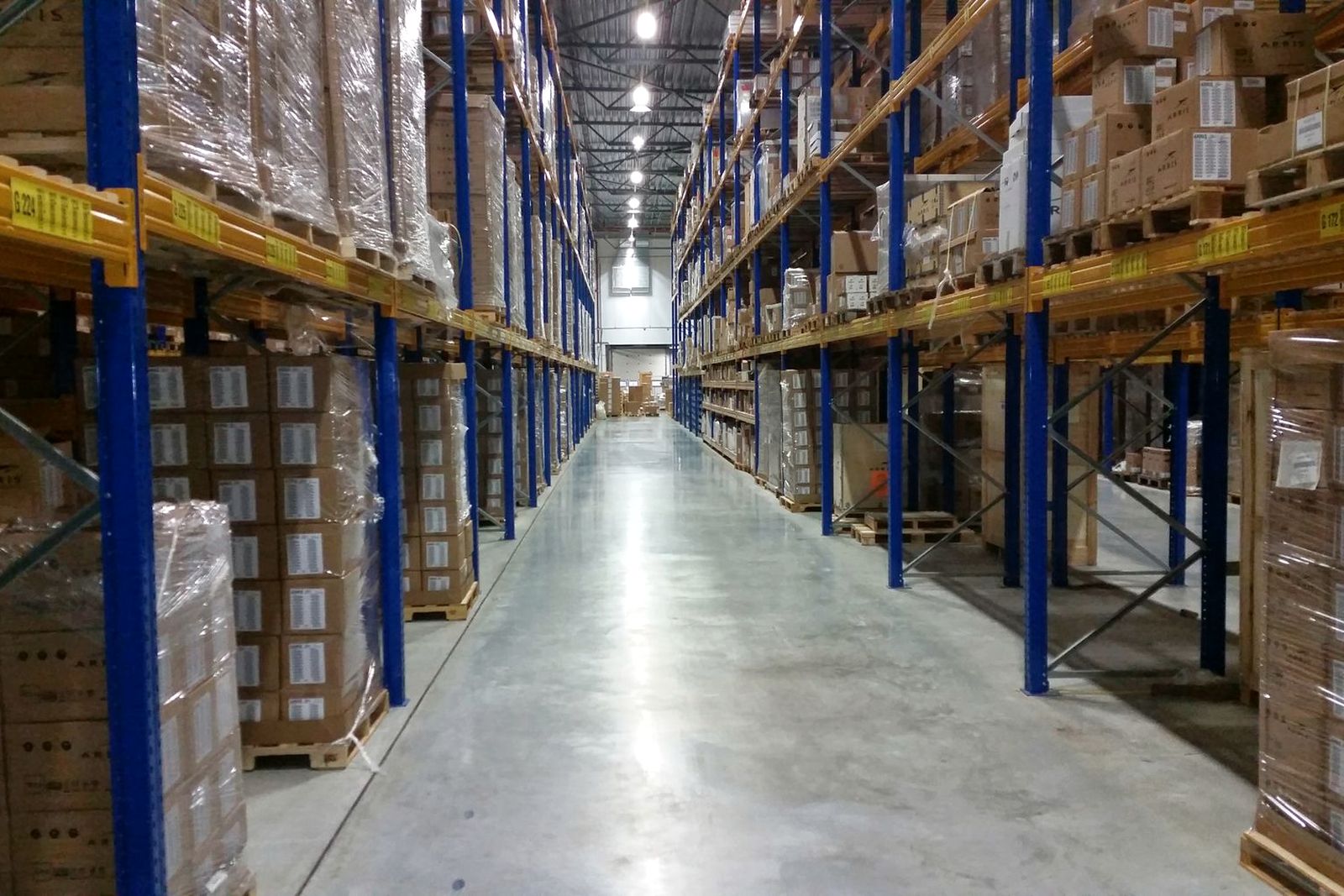
The packing house has looked the same for a century: fruit in one end, graded, packed and labelled out the other. What changed is everything around it. Global Pacific runs five categories through that system: grapes, citrus, soft fruit, top fruit and stone fruit, in both bulk and finished formats, from specialist sourcing teams across Europe, South Africa and South America.
What a case actually is
The case is the atom of the trade. Everything is counted in it: grower contracts, vessel bookings, depot slots, fines. Fifteen million of them a year works out, on average, at well over a quarter of a million cases moving every week of the calendar, each one somewhere on the road between an orchard and a shelf. The number is less interesting than what it implies: at that scale nothing can be improvised. Every case is sold before it is picked, every container slot booked before the case is packed, and every week's programme planned against a retail order that was agreed months ago.
The journey of one case
Follow a single case of Chilean grapes, as an illustration. Day one, the fruit is picked in the morning cool and reaches the packhouse within hours, where it is graded, packed and cooled to its carriage temperature by nightfall. Within a day or two it is in a refrigerated container stacked at a port. Then comes the long middle: two to three weeks on the water, temperature logged the entire way. On arrival it clears customs and inspection, moves to an import cold store, and is called off against a retail order to a distribution centre, where it is checked against specification. It reaches the shelf with most of its remaining life intact, which was the whole point of the speed at the start. Every day saved between orchard and depot is a day added on the shelf, and a day on the shelf is the difference between sold and dumped.
The clock is the product
Direct supply exists because of that arithmetic. Fewer hands, fewer days, better fruit. So does the group's standing promise, which is printed where every customer can see it: on time and in full, every time. Retail programmes measure suppliers on exactly that phrase, order by order, and the measurement has teeth. Deliveries that arrive late or short are fined, and a supplier's service score follows it into every annual negotiation. In a trade where the product is perishable and the shelf gap is visible to shoppers by teatime, reliability is not a virtue. It is the specification.
What scale buys
Volume is not vanity in this trade; it is how the economics work. A supplier moving cases by the million books vessel space, cartons and haulage at rates a small trader cannot reach, and spreads the fixed costs of packhouses, technical teams and audits across every case that flows through them. Scale also buys resilience. When one origin has a poor season, a large programme can lean on another and still deliver the retailer's order in full, which is precisely the promise the business is measured on. Retailers consolidate their buying around suppliers who can absorb a bad week without passing it on, and every absorbed bad week makes the relationship harder for a competitor to dislodge.
Proof over promises
Claims in this trade are audited, not taken on trust. The group holds a BRCGS certificate, the food-safety standard major retail requires of its suppliers, and publishes a sustainability report and modern slavery statement alongside it. Fifteen million cases a year is a big number, but the certificate is the part a buyer actually reads.
Related reading
Sources and further reading
The primary bodies that publish the underlying data and set the rules referred to above.