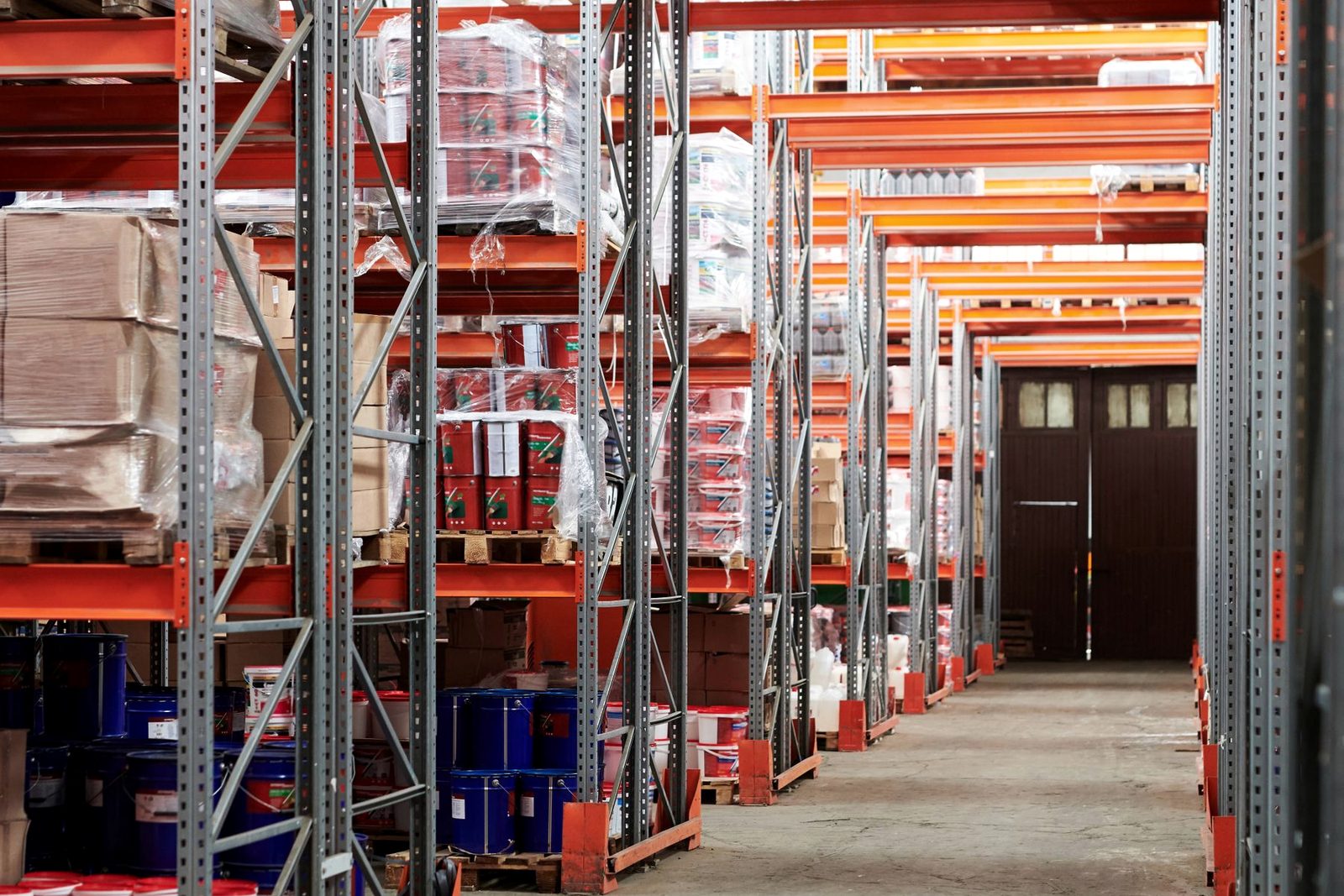
For most of a century, fruit reached British shelves through markets like Covent Garden. Growers sold to exporters, exporters to importers, importers to market wholesalers, wholesalers to greengrocers. Every pair of hands took a margin, and every day in the chain cost the fruit a day of its life.

The world the market built
Covent Garden had been London's fruit, vegetable and flower market since the 1600s, and by the twentieth century it was the throat through which much of the country's fresh produce passed. The system had real strengths: price discovery every morning, an outlet for any grade of fruit, and a trade full of specialists. But its weaknesses were structural. Nobody in the chain owned the fruit for long, so nobody owned its condition end to end. Information moved as slowly as the lorries. And the stack of margins between grower and greengrocer meant the two people who mattered most, the one who grew the fruit and the one who ate it, got the worst of the price. When the market's congestion finally forced its move across the river to Nine Elms in 1974, the old model was already being overtaken by something faster: supermarkets buying directly, at scale, against a written specification.

Global Pacific was built against that older model. Founded in 1999 as Global Pacific Produce, the company describes itself as a pioneer of direct supply into the UK and Irish markets: fruit bought at the grower, shipped in the company's own programmes, and delivered straight to the retailer's depot. Fewer hands, fewer days, better fruit, and a price the grower and the supermarket can both live with.
What direct supply actually changes
Cutting out middlemen sounds like a slogan, so it is worth being precise about what changes. Days, first: fruit that goes grower, ship, depot, shelf spends less of its life in transit, and shelf life is the currency of the trade. Accountability, second: one company owns the fruit from origin to delivery, so when something goes wrong there is no chain of intermediaries to argue through, only one phone number. Information, third: the grower learns what the retailer actually wants, variety by variety and week by week, instead of guessing through four layers of buyers. The price advantage is real, but it is the least of it. Direct supply is mostly a quality and reliability technology.
The paper trail
The group grew the unglamorous way, one operating company at a time. Global Pacific UK Limited was incorporated on 1 February 2006 to run import, sales and distribution into the UK market. Sourcing offices followed in Chile, Spain, France and South Africa, with the group's headquarters settling in Towcester, Northamptonshire. Along the way the trading name grew up too: Global Pacific Produce became Global Pacific Food Group.
Where it stands
Today the group moves more than fifteen million cases of fruit a year into the UK and Europe across five categories, holds a BRCGS certificate, and publishes its sustainability report and modern slavery statement like a company that expects to be checked. Twenty-seven years in, the pitch has not changed: quality produce, on time and in full, every time.
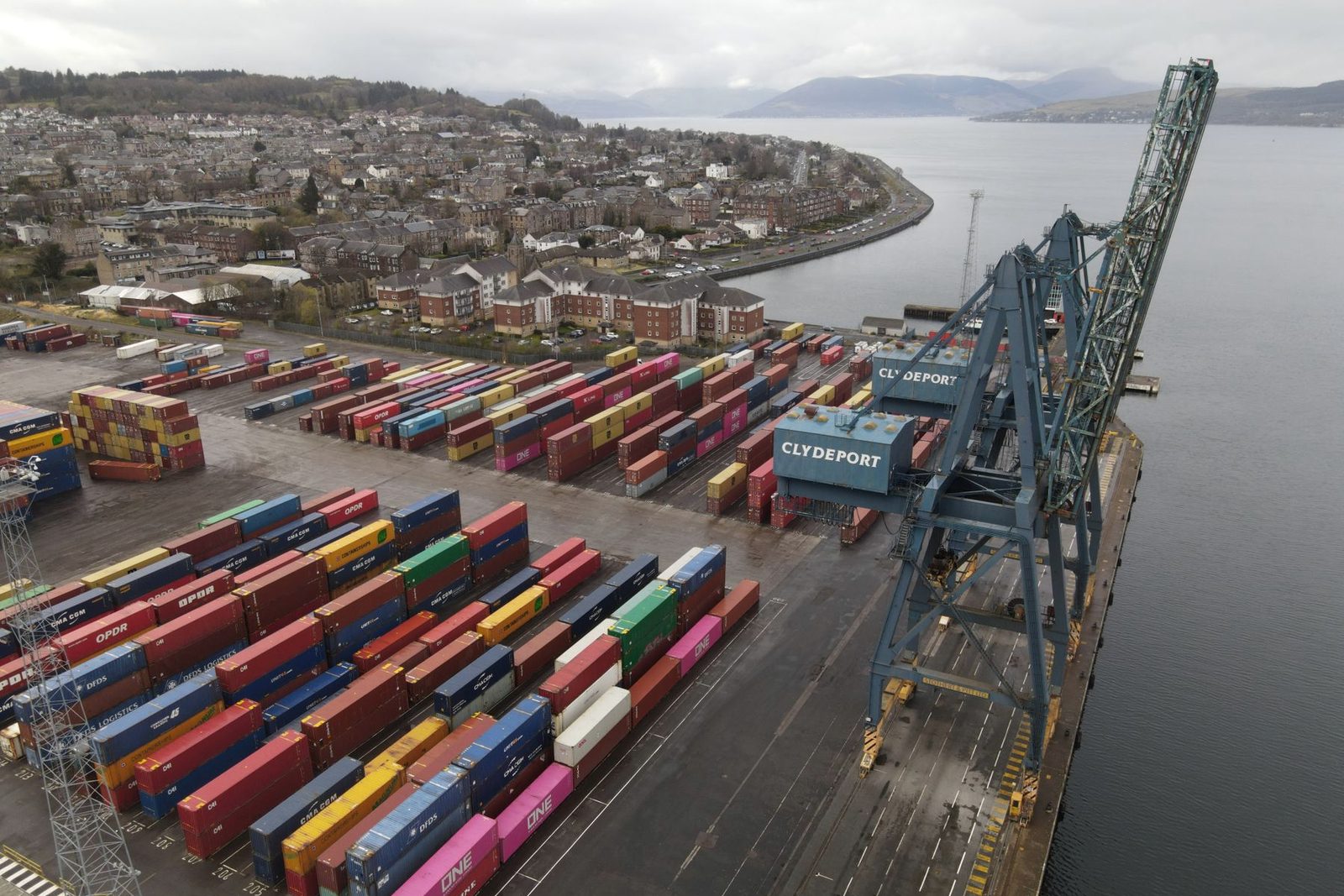
The endurance of the model is the real story. Direct supply won because it aligned everyone's interest in the same two variables, days and condition, and then removed everyone who was not improving either. A quarter century on, the companies that survived that sorting are the ones that treat logistics as the product. The market porters in the postcard above would recognise the fruit. They would not recognise how little time it now spends changing hands.

Global Pacific Food Group is the food division of Klear Investments. The division page has the full register of operating companies.