When oil prices move, the coverage is all about drilling: rigs working, wells completed, barrels flowing. Almost nobody writes about the quieter party in the transaction, the mineral owner whose name is on the courthouse records and who receives a share of every barrel without lifting a wrench. That is the position Klear holds. It is worth explaining precisely what that position is, because it is one of the most misunderstood assets in American finance.
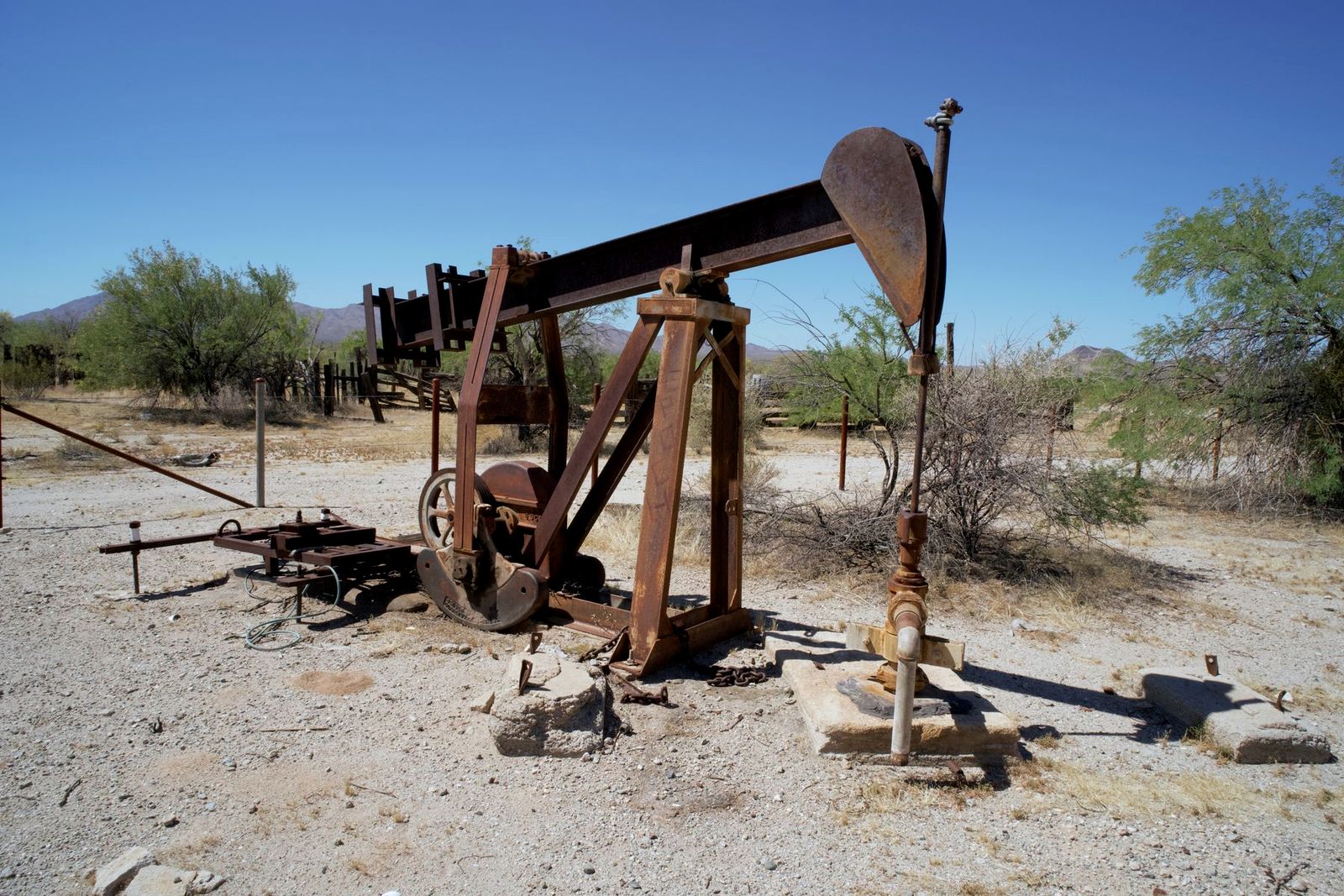
Two estates, one piece of ground
American property law allows land to be split into a surface estate and a mineral estate, owned by different parties. The rancher grazing cattle on top and the owner of the oil a mile below can be strangers who never meet. In much of California and Texas they usually are. The mineral estate is the dominant one in law, which means its owner can lease the right to develop what lies beneath, and an operator can drill under land whose surface belongs to somebody else entirely.

What the mineral owner holds is therefore not equipment, not a company, not a claim on anyone's operations. It is real property: a recorded interest in a specific tract, described section by section in county records, that produces income when someone else produces oil.
How the owner gets paid
The mineral owner almost never drills. Instead, an operator signs a lease that grants it the right to develop the minerals for a period of time. In exchange, the owner typically receives two things: a bonus paid up front for signing, and a royalty, a fixed fraction of the value of production, paid for as long as the wells produce. The traditional royalty in the American oil patch was one eighth, and modern leases commonly run between an eighth and a quarter. The operator pays every cost of drilling and operating. The royalty comes off the top of revenue, before those costs, which is the detail that defines the whole asset class.
Read that again from the owner's side. A cost overrun on the rig is not the owner's problem. A dry hole costs the owner nothing but time. The owner's income is production multiplied by price multiplied by the royalty fraction. Three variables, one of which is fixed in the lease.
What decline curves mean for planning
Oil wells are strongest young. A new well typically produces at its highest rate early, then declines along a curve that engineers can model with reasonable confidence. For an operator, the decline curve drives decisions about new drilling. For a royalty owner, it is simpler: it is the schedule of the annuity. Income from any single well will fade over years, which is why a royalty position is best held as a portfolio across many wells and vintages, and why the arrival of a new well on leased acreage matters so much. Each one resets a piece of the portfolio to the young end of the curve.
Price exposure without cost exposure
Because the royalty is a share of revenue rather than profit, the owner has a clean, direct exposure to the oil price. When crude rises, royalty checks rise in proportion. When it falls, they fall, but they do not go negative, and no capital call ever arrives. Operators live between those two lines, squeezed when prices fall toward their costs. Royalty owners simply ride the revenue line. It is a more placid seat in the same theatre, purchased by giving up the operator's upside in a boom.
Leases are long, records are longer
A lease has a primary term of a few years, but its important clause is the one that extends it: so long as the wells keep producing, the lease holds. Productive acreage can stay under the same lease for decades, with royalty payments arriving monthly the entire time. The asset outlives operators, price cycles and owners themselves. Mineral interests pass through estates like any other real property, which is why so much of the American oil patch is owned, a fraction at a time, by the descendants of whoever owned the land a century ago.

That longevity is also the work. The owner's real job is records: clean title, accurate division orders, statements checked against the state's production data. Patience and good files, as we said in our plain-English primer, are most of what a holding company is.
Why a holding company likes the seat
Royalty income requires no payroll, no inventory and no machinery. It arrives from assets that are literally immovable, recorded in public registries, and productive through every kind of market weather on their own geological schedule. Next to operating businesses, which demand attention daily, a royalty portfolio asks only to be administered carefully. For a group built to hold assets for decades, that is not a compromise. That is the brief.