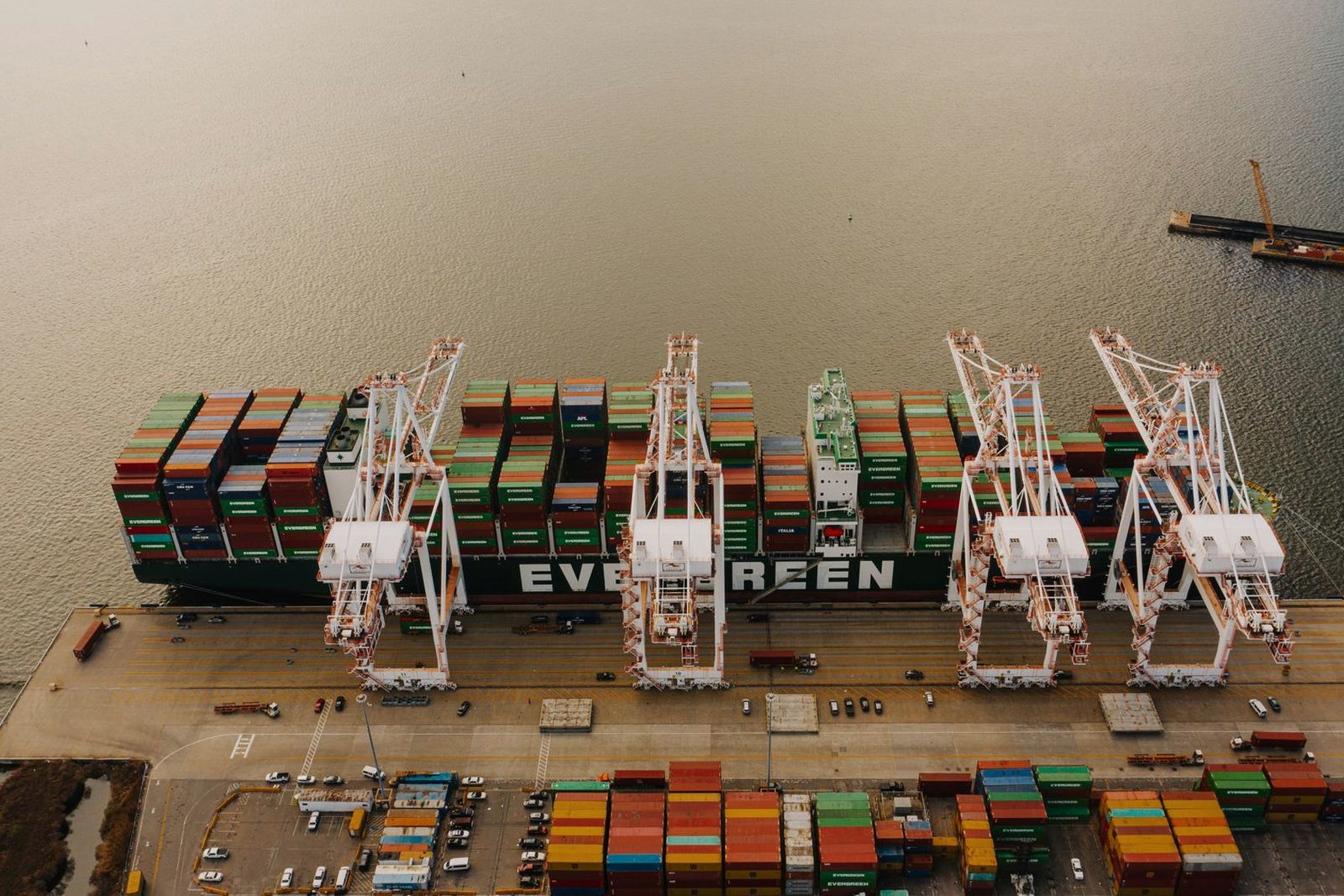
In most of the United States, land ownership can be split in two. One party owns the surface: the dirt, the grass, the right to build on it. Another party can own everything underneath: the oil, the gas, the minerals. Lawyers call this the split estate. It means you can own oil under a farm you have never visited, and the farmer can keep farming.

Where the split came from
Severing minerals from surface is a very old trick of English property law, but America industrialised it. Whenever land changed hands in oil country, a seller could keep the minerals and sell the dirt, or the reverse, and once severed the two estates travel separately forever, each with its own chain of title at the county courthouse. The federal government did it at scale: under the Stock-Raising Homestead Act of 1916, settlers received the surface while Washington kept the minerals beneath, which is why so much of the American West sits on federally owned oil and gas to this day. Booms like Burkburnett's, pictured above, taught everyone the same lesson: the modest-looking line in a deed about minerals could be worth more than the land itself.
How the land is measured
West of the original colonies, American land is laid out on the Public Land Survey System: a grid of townships six miles on a side, each cut into 36 sections of one square mile, 640 acres each. A legal description like SEC 12, T29S R28E reads as section 12, township 29 south, range 28 east. It is an address, and it points at exactly one square mile of ground. Texas did its own surveying before joining the union, so it uses named surveys and abstract numbers instead, but the idea is the same: every tract has a written location that matches a line on a county map.
How the owner gets paid
A mineral owner usually does not drill. An operator leases the right to drill and agrees to pay the owner a royalty: a fixed share of the value of whatever comes out of the ground, commonly somewhere between an eighth and a quarter. The owner's income rises and falls with production and price. No production, no royalty. It is one of the few investments where the paying asset is literally fixed in place and recorded at the courthouse.
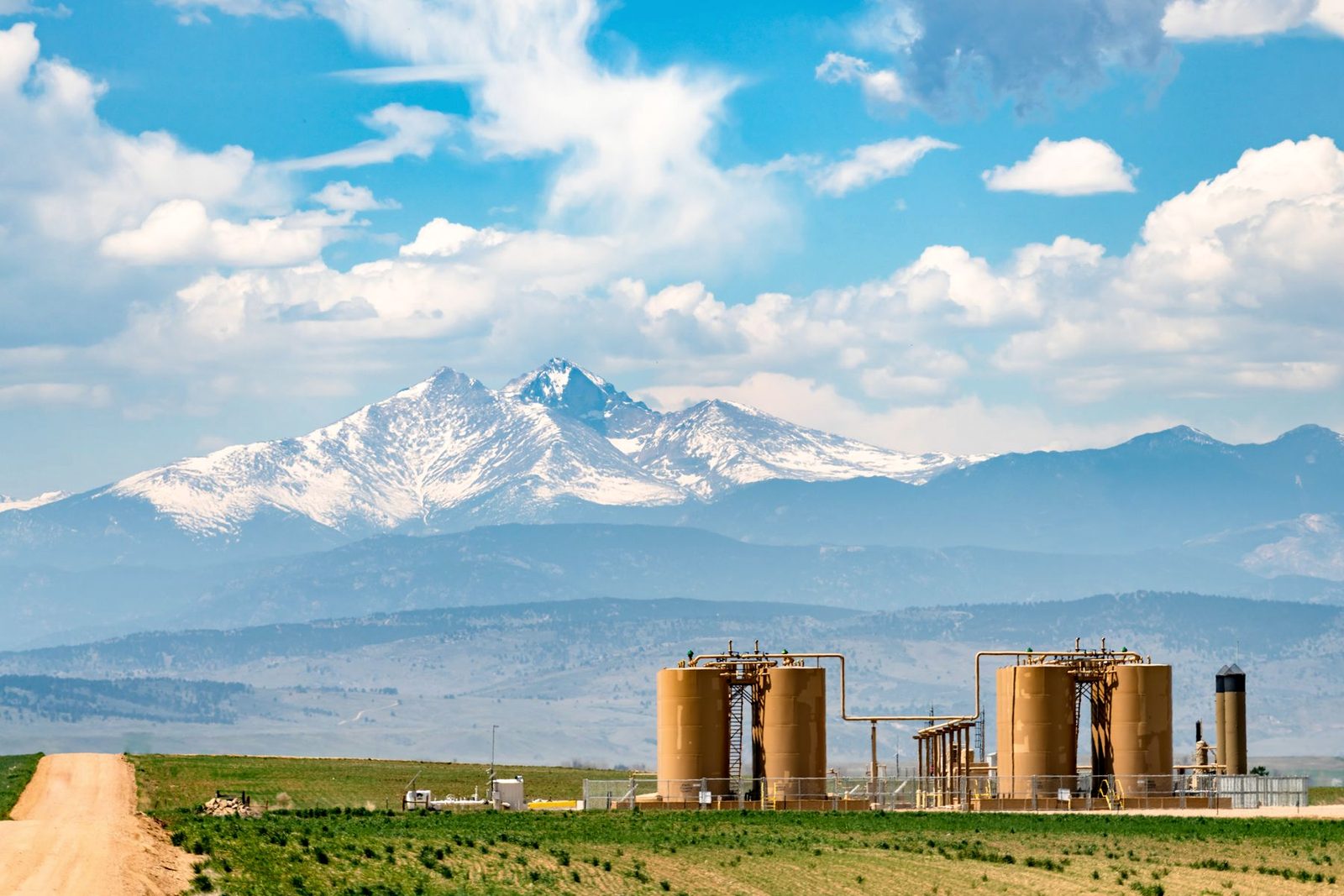
The lease itself has a rhythm worth knowing. It begins with a primary term of a few years, during which the operator must drill or let the lease die. Once a well produces, the lease is held by production: it stays alive for as long as the oil flows, which can be decades. Alongside the royalty, owners are typically paid a bonus per acre just for signing. The fine print then decides the rest, above all whether the operator may deduct costs of processing and transport before calculating the royalty. Two neighbours with identical acreage can earn very different money on the strength of that one clause.
The paperwork is the asset
Because minerals pass through estates and sales like any other property, ownership fragments over generations. A section that had one owner in 1930 may have dozens of heirs holding small fractions today, and every fraction must be traced through wills, deeds and divorces before an operator can pay anyone. This is why the trade runs on title work, and why a mineral owner's real discipline is record-keeping: clean deeds, current division orders, statements reconciled against the state's public production data. The asset does not rust, but the paperwork can.
Why we like it
Royalty income needs no machinery, no payroll and no inventory. What it needs is patience and good records, which is most of what a holding company is. Our interests in California and Texas are held on exactly this basis: recorded section by section, paid from real barrels. For the finance view of the same asset, see Royalties, not rigs.