A barrel of crude oil traded in Midland, Texas, is not equivalent to a barrel traded in Cushing, Oklahoma. This difference in value, known as the basis, can significantly affect royalty payments for mineral rights holders. Understanding the factors that determine this basis requires examining pipeline capacity and market access.

The geography of crude oil
West Texas Intermediate (WTI), the benchmark crude oil price, is referenced against deliveries at Cushing, Oklahoma, a significant inland hub. This location’s importance stems from its position as the terminus for numerous pipelines originating in producing regions like the Permian Basin. However, much crude originates elsewhere. Production in Kern County, California, and other areas of Texas moves via different routes. The physical path influences pricing.
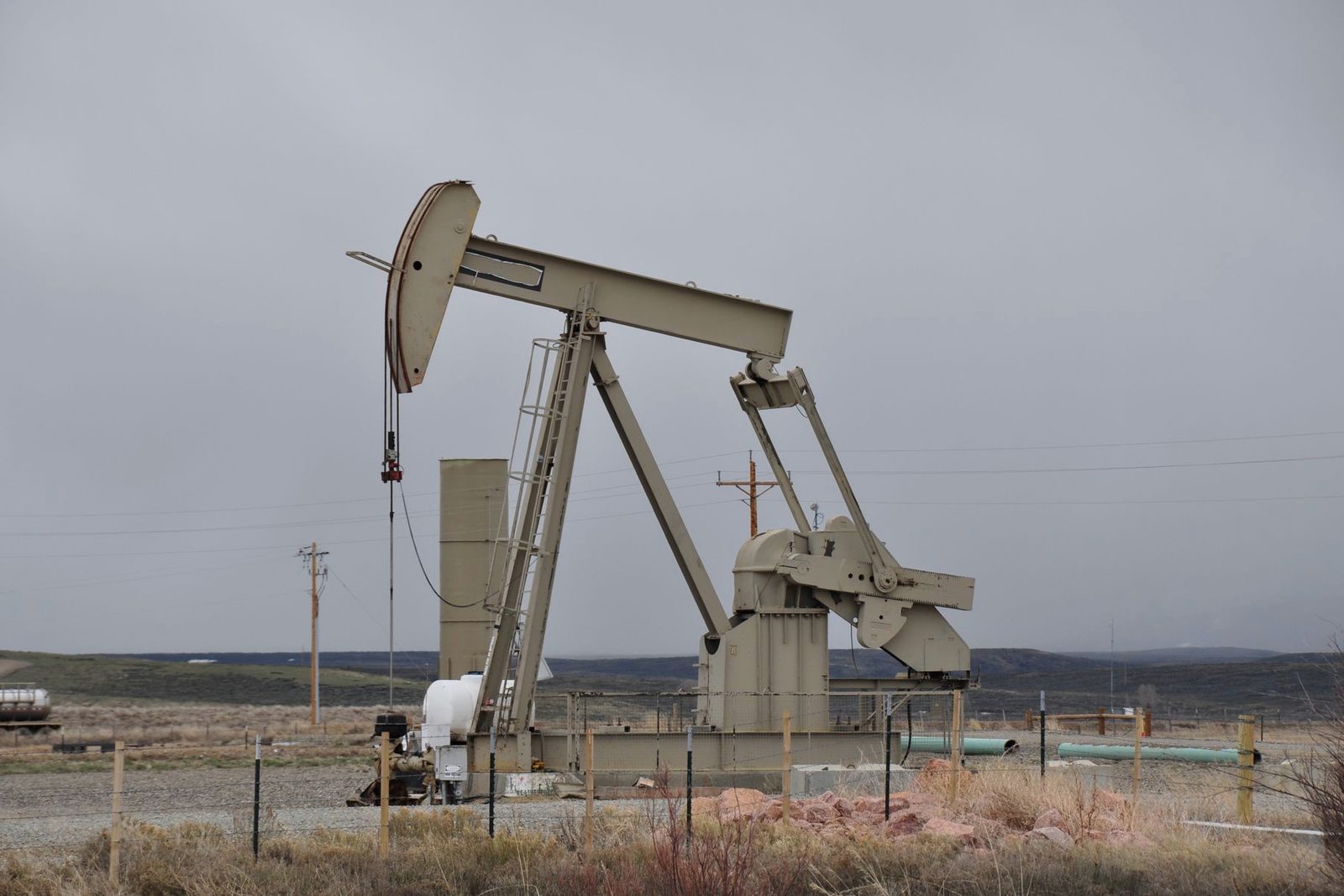
Crude oil's value is determined by supply and demand at a specific location. Cushing’s infrastructure means it acts as a focal point for regional production. Midland, within the Permian Basin, is a significant origin point itself. Crude from Midland needs to reach Cushing to be priced against WTI. This transportation introduces costs and constraints.
Pipeline capacity and congestion
The central factor in basis calculation is pipeline capacity. Pipelines are not infinitely scalable. They have design limits on the volume of oil they can transport, and these limits become a major influence on price when production exceeds that ability. The period around July anticipates increased production from certain areas as summer driving season nears its peak. Increased demand for refined products puts pressure on crude supply, and bottlenecks in transportation become more pronounced.
When pipeline capacity is constrained, oil produced in Midland faces a challenge. It cannot all reach Cushing quickly or easily. This creates a situation where the price producers receive in Midland is lower than the WTI price at Cushing. The difference represents compensation for the difficulty of getting the crude to market. Producers may sell directly into smaller pipelines that feed Cushing, or they might use trucking services. Trucking adds cost and reduces efficiency.
Conversely, if pipeline capacity from a region like Kern County is plentiful, that crude can flow more freely to coastal refineries and terminals. This often results in a different basis compared to WTI. Regional demand for refining influences price as much as the ability to move the oil. If California refineries are operating at reduced rates or experiencing maintenance downtime, they require less crude, creating downward pressure on prices.
Division orders and royalty calculation
Mineral rights holders receive royalty payments based on a percentage of the gross revenue received by the operator. The "gross revenue" figure is important. It is not necessarily the WTI price at Cushing. Instead, it reflects the actual price obtained for the oil sold, which incorporates the basis.
Division orders specify how production from a particular well or lease should be allocated and accounted for. These orders detail where the oil is transported and to what destination. The operator uses this information to track sales and calculate royalties. A lower price at the point of sale directly reduces royalty payments, even if WTI has remained unchanged.
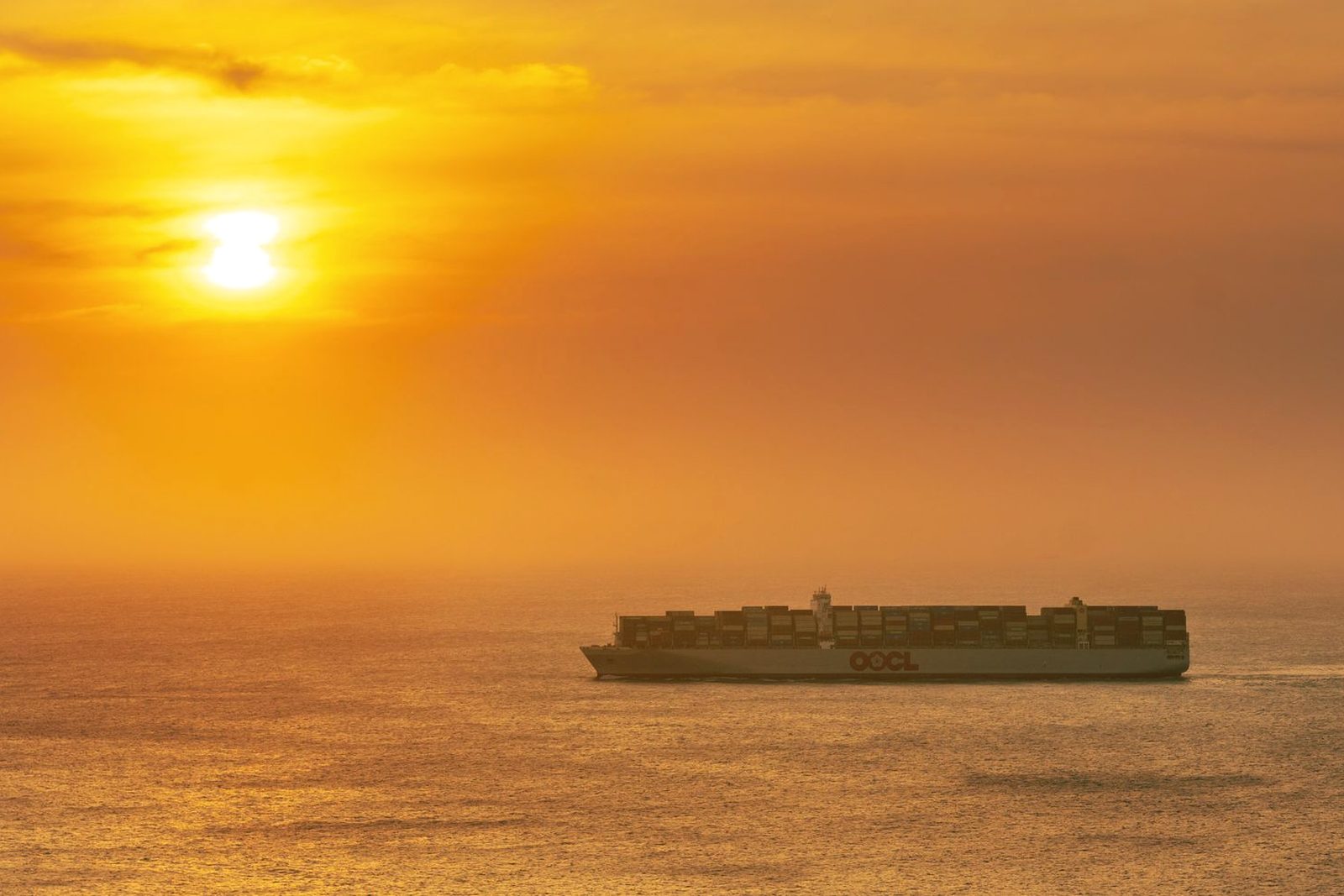
For instance, a well in Kern County might have its crude trucked to a coastal terminal, where it is blended with other crudes and sold into the export market. The price received there will reflect regional factors, refinery demand, international shipping rates, competition from other grades of oil, and those differences become part of the royalty calculation.
The timing of sales also matters significantly. Producers may strategically delay or accelerate sales depending on their expectations for future pricing trends and pipeline availability. These decisions can impact the basis experienced by mineral rights holders at a given time.
Looking ahead
Pipeline infrastructure development continues, but it lags behind production growth in many areas. New pipelines are expensive to build and require regulatory approval, which is often a lengthy process. This means that bottlenecks will likely remain a persistent feature of the crude oil market for the foreseeable future.
Monitoring pipeline nominations, requests by producers to move oil through specific pipelines, provides insight into current capacity constraints. Significant backlogs in nominations suggest limited available space and potential downward pressure on prices at origin points. Conversely, ample capacity reduces the basis.
The Atlantic hurricane season, which typically peaks later in the year, poses another factor. Disruptions to Gulf Coast refineries or port facilities can create localized supply imbalances, impacting pricing and transportation routes, and altering the basis as a result. Understanding these geographical factors and logistical constraints is essential for accurately predicting royalty payments and evaluating investment opportunities related to oil and gas mineral rights.