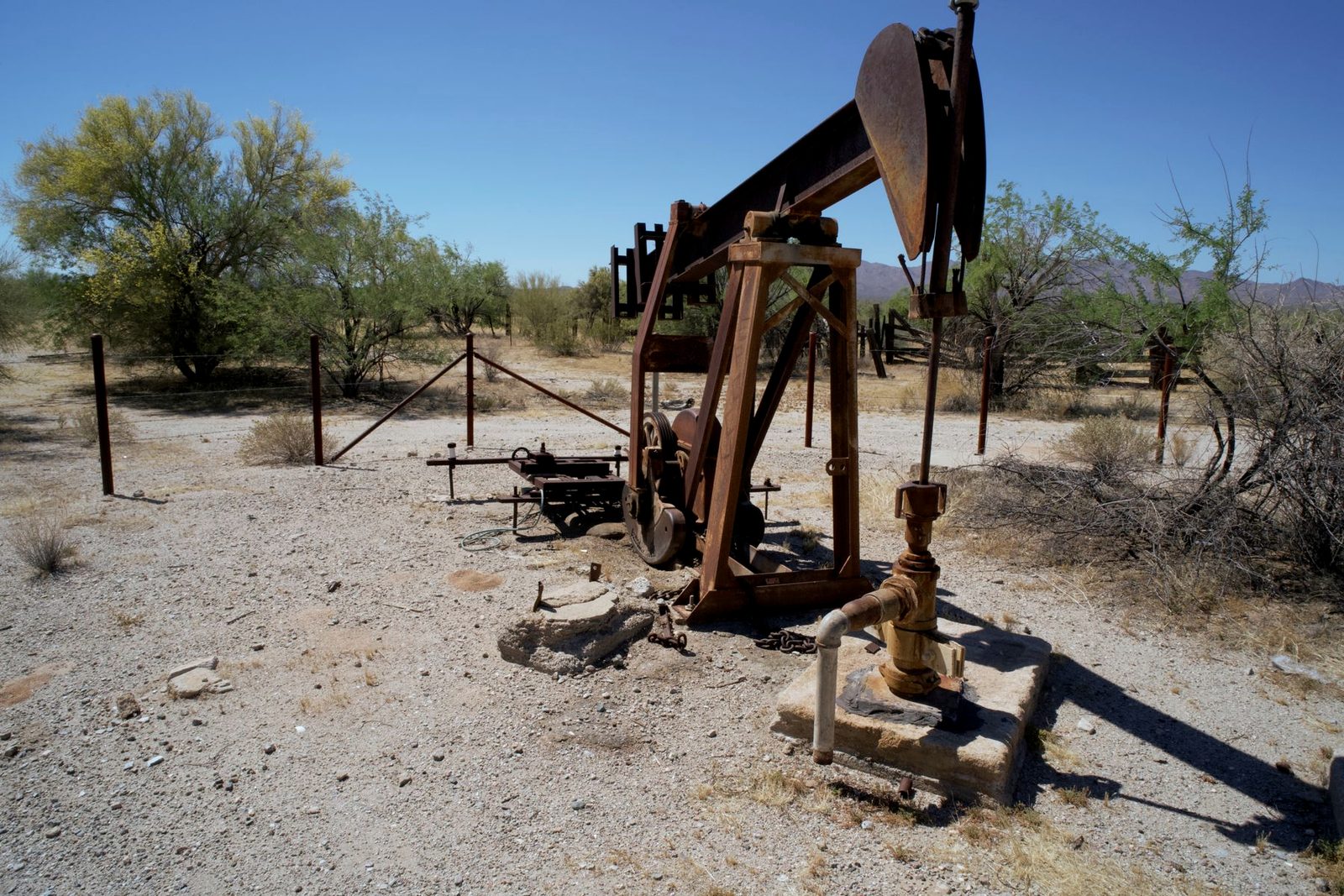
On the morning of January 15, the price of West Texas Intermediate (WTI) crude oil on the New York Mercantile Exchange (NYMEX) fell sharply after the release of the weekly inventory report from the U.S. Energy Information Administration (EIA). The market reaction was swift and clear: a significant build in crude oil inventories can signal oversupply, leading to downward pressure on prices.

Crude oil storage dynamics are central to understanding how supply and demand imbalances affect pricing in both short-term trading and long-term investment strategies. This article explores the mechanisms that connect inventory levels with price fluctuations, focusing on the impact of storage capacity and market expectations on crude oil prices.
Storage Capacity and Market Expectations
The relationship between crude oil inventories and prices is complex because it involves both physical constraints and psychological factors. Physical storage facilities, such as tanks at refineries, terminals, and inland delivery points like Cushing, Oklahoma, have finite capacity. When these facilities approach full capacity, the marginal cost of storing additional barrels increases sharply.
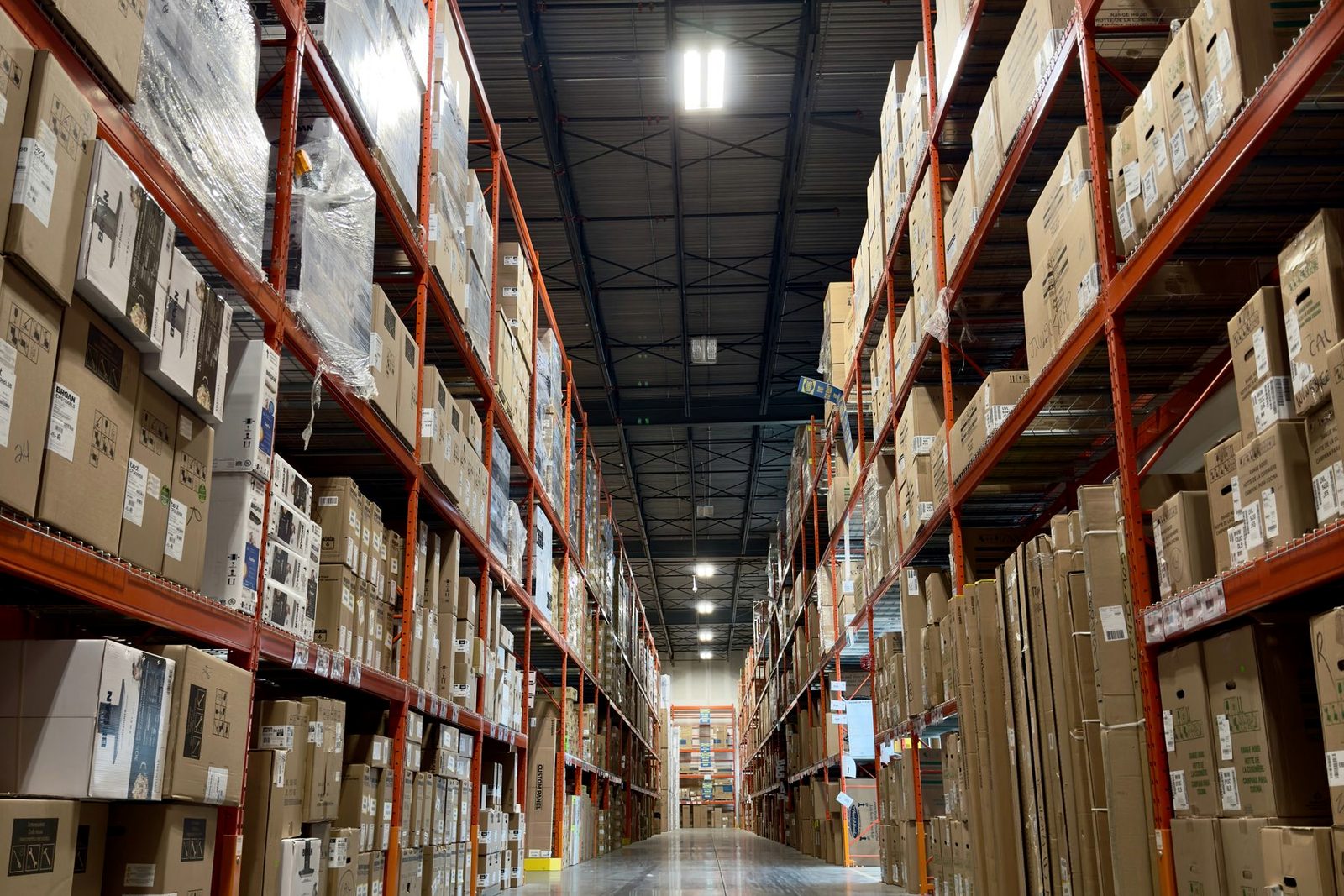
Market expectations play a significant role in price movements as well. If traders anticipate that inventories will soon reach storage limits, they may sell off their holdings, driving prices down. Conversely, if traders expect future demand to increase and inventories to be replenished, they might buy more oil to hedge against rising prices.
Impact on Short-Term Trading
In the short term, crude oil inventory data released weekly by organizations like the EIA can cause rapid price changes. Traders closely monitor these reports for clues about supply and demand trends. A sudden increase in inventories suggests that current production exceeds consumption, leading to downward pressure on prices as traders adjust their positions.
For example, if a report shows an unexpected build-up of crude oil stocks at Cushing, it may indicate that pipeline flows or imports are higher than expected. This information prompts immediate selling by traders who fear that the market is oversupplied and could soon face logistical issues such as storage limitations.
Influence on Long-Term Investment Strategies
Long-term investors also need to consider inventory dynamics when making decisions about crude oil investments. While short-term fluctuations are driven primarily by immediate supply-demand imbalances, long-term trends reflect broader economic conditions and geopolitical stability.
An investor looking at the longer term will analyze historical data on storage levels alongside macroeconomic indicators such as GDP growth rates in major consuming countries like China and the United States. Understanding these factors helps predict future demand for crude oil and informs investment decisions regarding whether to hold onto existing positions or enter new ones.
Seasonal Patterns and Strategic Storage Decisions
The seasonal nature of crude oil markets also affects storage dynamics. During winter months, heating oil demand increases in colder climates, boosting overall consumption and potentially reducing inventories. In contrast, summer months see higher travel activity, increasing gasoline demand but leaving other types of fuel less in demand.
Oil companies and traders must plan strategically to manage these seasonal variations. For instance, ahead of winter when heating oil is likely to be more in demand, they might reduce storage levels to free up capacity for the anticipated uptick in supply. Conversely, during summer months, they may store excess crude knowing that it will become valuable as gasoline production ramps up.
Global Context and Geopolitical Risks
The global oil market is inherently interconnected, with geopolitical risks playing a significant role in inventory dynamics. Events such as conflicts in the Middle East or sanctions on major producers like Russia can disrupt supply chains and lead to rapid price changes.
In times of geopolitical tension, investors may increase their crude oil holdings as a hedge against potential shortages. Conversely, during periods of stability, they might reduce their positions if they believe that supply disruptions are unlikely.
The interplay between crude oil storage levels and prices is governed by both physical constraints and market expectations. Understanding these dynamics is important for traders and investors looking to work through the complexities of the global oil market effectively. By analyzing inventory data, seasonal trends, and geopolitical risks, stakeholders can make informed decisions that align with their investment horizons.