
The best thing about the southern hemisphere, if you sell fruit in the northern one, is the calendar. When Britain is dark and cold, Chile is picking. A supplier with real operations on both sides of the equator is never out of season, and neither is its revenue.

Chile is the anchor of that trade. Nearly a third of the country's fruit-growing area is planted in grapes, and it is the largest grape grower in the southern hemisphere, according to the Chilean Fruit Exporters Association. The citrus side is growing too: Chilean citrus exports to the US reached $438 million in the 2023-24 season, up a third on the year before, per The Packer. The fruit that fills a northern winter has become a serious industry.
How the counter-season actually works
The mechanics are simple and unforgiving. Chilean table grapes come off the vine roughly from December into April, which is precisely the stretch when Europe's own orchards and vineyards have nothing to offer. The fruit is packed within hours of picking, cooled hard, and loaded into refrigerated containers for a sea passage of two to three weeks. By the time a British shopper is scraping ice off a windscreen, the grapes in the supermarket were hanging in Chilean sunshine a month earlier. The same clock runs for stone fruit, citrus and berries, each with its own window, and a supplier's whole year is built as a relay: European programmes hand over to South African and South American ones in autumn, and take the baton back in spring.
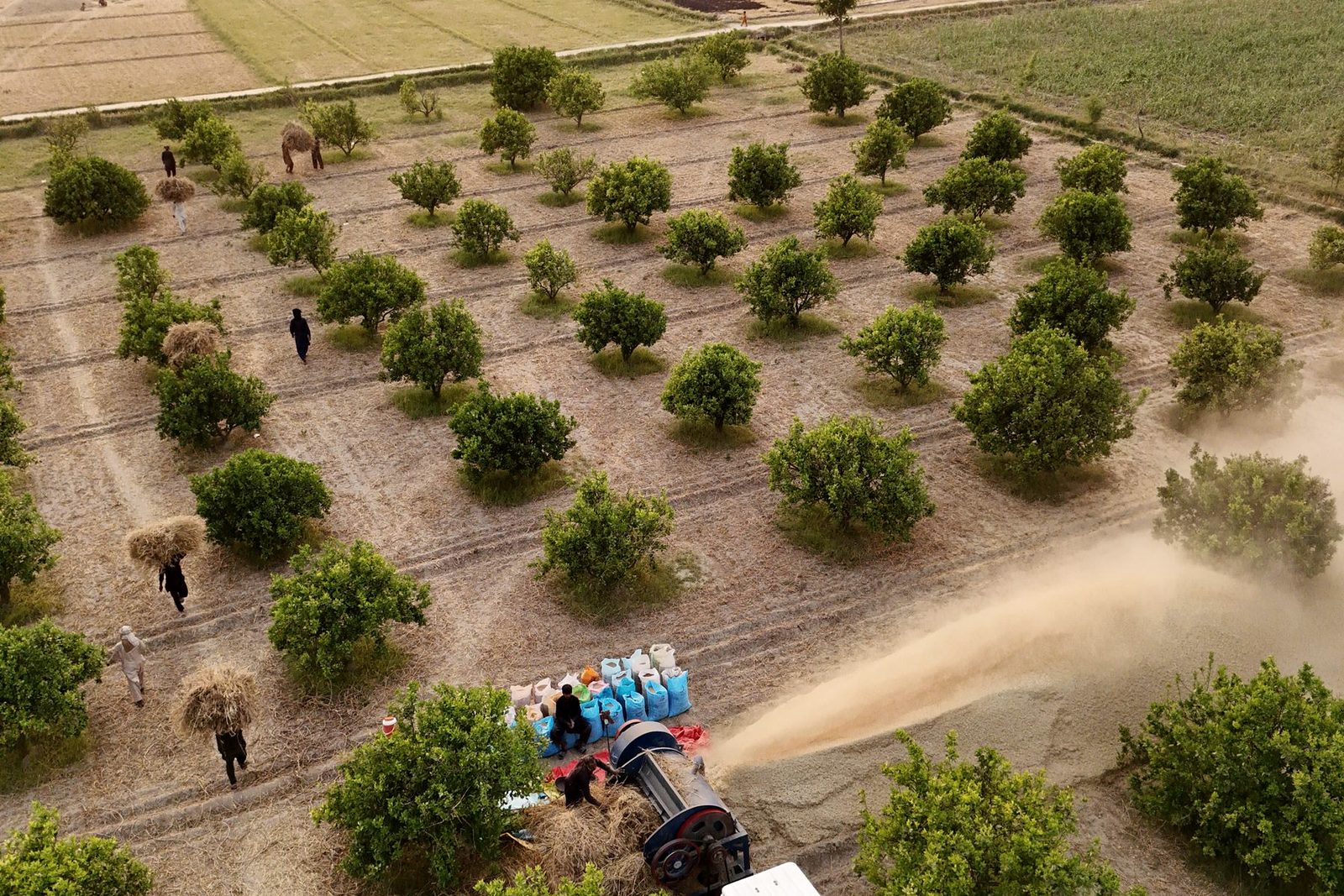
None of this was possible before refrigerated shipping. The trade that fills a northern winter with southern fruit dates to the late nineteenth century, when refrigerated steamships first proved that perishable cargo could cross the equator and arrive worth eating. What began as a marvel is now a schedule, and the schedule is the product: retailers do not buy grapes in February so much as they buy the certainty of grapes every February.
The revenue arithmetic
Consider, purely as an illustration, a supplier who earns only in the northern season. Its revenue arrives in one hump, and for half the year the overheads run on borrowed money or banked cash. Add a southern-hemisphere operation of similar weight and the picture changes shape: two humps, roughly six months apart, and a far shallower valley between them. Peak borrowing falls, facilities and people stay productive all year, and the business stops paying the quiet tax that seasonality levies on everyone who earns in one hemisphere only. We work through this in more detail in the finance case for owning both hemispheres.
What the bet actually risks
Calling it a bet is deliberate, because the counter-season is not free money. The fruit travels further, so it carries more freight cost and more exposure to shipping disruption than anything grown an hour from the depot. It crosses currencies, which is a risk we manage rather than ignore, as we set out in our note on hedging a perishable margin. And running real operations in two hemispheres means paying for two of many things: two harvest workforces, two sets of certifications, two relationships with the weather. The bet is that steadier revenue and year-round shelf presence are worth those costs. Twenty-seven years of the trade growing rather than shrinking suggests the market agrees.
Why a holding company cares
Klear holds businesses for decades, which means living through every kind of year. A division whose income arrives in the northern winter sits well next to interests that earn in the summer, and royalty income from oil in California and Texas that does not care about the weather at all. Diversification is usually a slide in someone's deck. A grape harvest in January is the real thing.
Global Pacific has run South American supply since its founding in 1999, with its own operation in Chile connecting growers there to UK and European retail. The full story of the group is here.
