The oldest problem in agriculture is not growing things. It is that the money arrives in a lump. A grower works for months with cash flowing out, then sells the entire crop inside a narrow window, then waits through another long stretch of expenses before the next harvest pays. Finance people call this lumpy revenue. Farmers call it normal. Either way, it is expensive, and there is a structural cure for it: own the harvest on both sides of the equator.
Why lumpy revenue costs money
A business whose income arrives in one season but whose costs run all year has to bridge the gap somehow. There are only two bridges. It can hold cash reserves through the quiet months, which means capital sitting idle that could be working elsewhere. Or it can borrow against the coming harvest, which means interest, covenants and a banker's opinion about the weather. Most seasonal businesses do both, and both are a tax on the operation that has nothing to do with how well it grows or sells fruit.
The bridge has been part of farming finance for as long as there have been banks. Nineteenth-century country lenders built their whole calendar around harvest advances, and the crop lien, credit secured on a harvest that did not exist yet, financed much of American agriculture after the Civil War. The instruments have modernised into revolving credit facilities and invoice finance. The underlying problem they solve is unchanged.
The natural hedge
Now put a second operation in the opposite hemisphere. When it is autumn in England it is spring in Chile. A group that handles northern-hemisphere fruit from summer through autumn and southern-hemisphere fruit from winter through spring is never entirely between harvests. One side's peak lands in the other side's trough, and the consolidated revenue line flattens out.
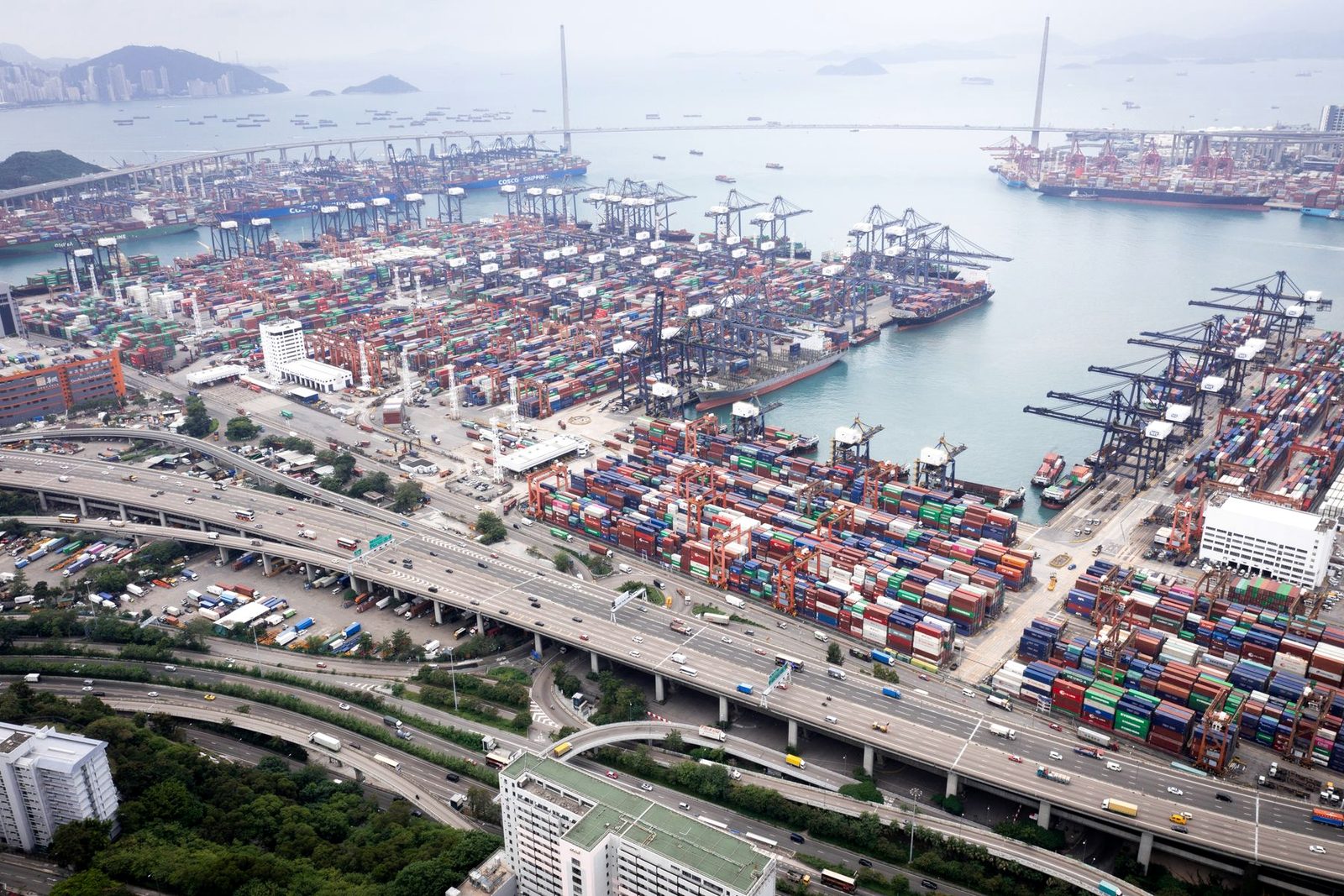
Finance calls this a natural hedge, and the word natural is doing real work. Nobody is paying a bank for a derivative. Nobody is forecasting anything. The smoothing comes from the tilt of the planet, which has a perfect record of showing up on schedule. It is the same logic behind Klear's wider portfolio, where royalty income from oil pays without regard to any growing season at all.
A worked illustration
Suppose a produce business earns most of its revenue in a four-month selling window and runs level costs all year. For the other eight months it must fund payroll, facilities and forward buying out of borrowings or reserves, and its bank prices that risk accordingly. Now suppose the same business adds a counter-seasonal operation of similar size. Revenue now arrives in two windows roughly six months apart. The maximum gap the business must bridge shrinks from eight months to a few, peak borrowing falls, idle cash falls with it, and the interest saved drops straight to the bottom line. The fruit is no better. The financing is.
The facilities never sleep
There is a second saving that gets less attention. Packhouses, cold stores, ripening rooms and distribution contracts all cost money whether or not fruit is moving through them. A single-hemisphere operator carries those fixed costs through every off season. A two-hemisphere operator keeps the same infrastructure loaded most of the year: Chilean grapes and stone fruit through the northern winter, European product through the northern summer. The overhead is spread across far more cases, and the cost per case falls.
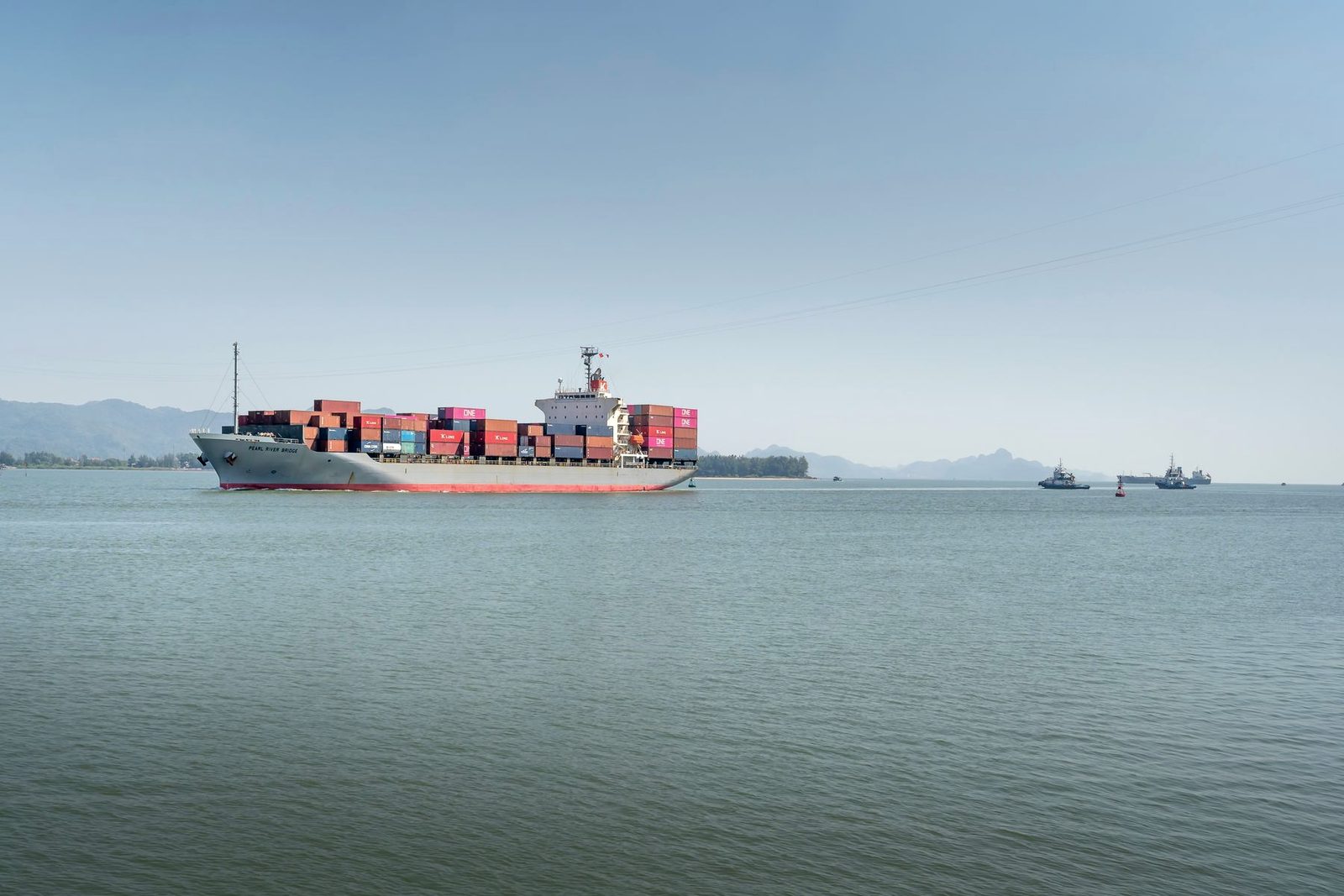
The same holds for the part of the business that is hardest to rebuild once lost: people and retail relationships. A supplier that goes quiet for half the year surrenders its shelf space to whoever can fill it. A supplier with year-round product keeps the programme, keeps the buyer relationship, and keeps its own commercial team employed on selling rather than waiting.
What diversification is actually for
Counter-seasonal ownership is diversification in its most literal form. The two operations face different weather, different currencies, different politics and different harvests, yet serve the same customers with the same product category. When frost takes a bite out of one origin, the other is unaffected by definition. That does not make the group immune to a bad year. It makes a bad year in one place a manageable event rather than an existential one.
This is why Global Pacific, the group's food division, was built with sourcing on both sides of the equator from its early years, with its own operation in Chile alongside European supply. The strategy is visible in any month of its shipping calendar. Winter in the northern hemisphere is not the quiet season. It is Chile's turn.