
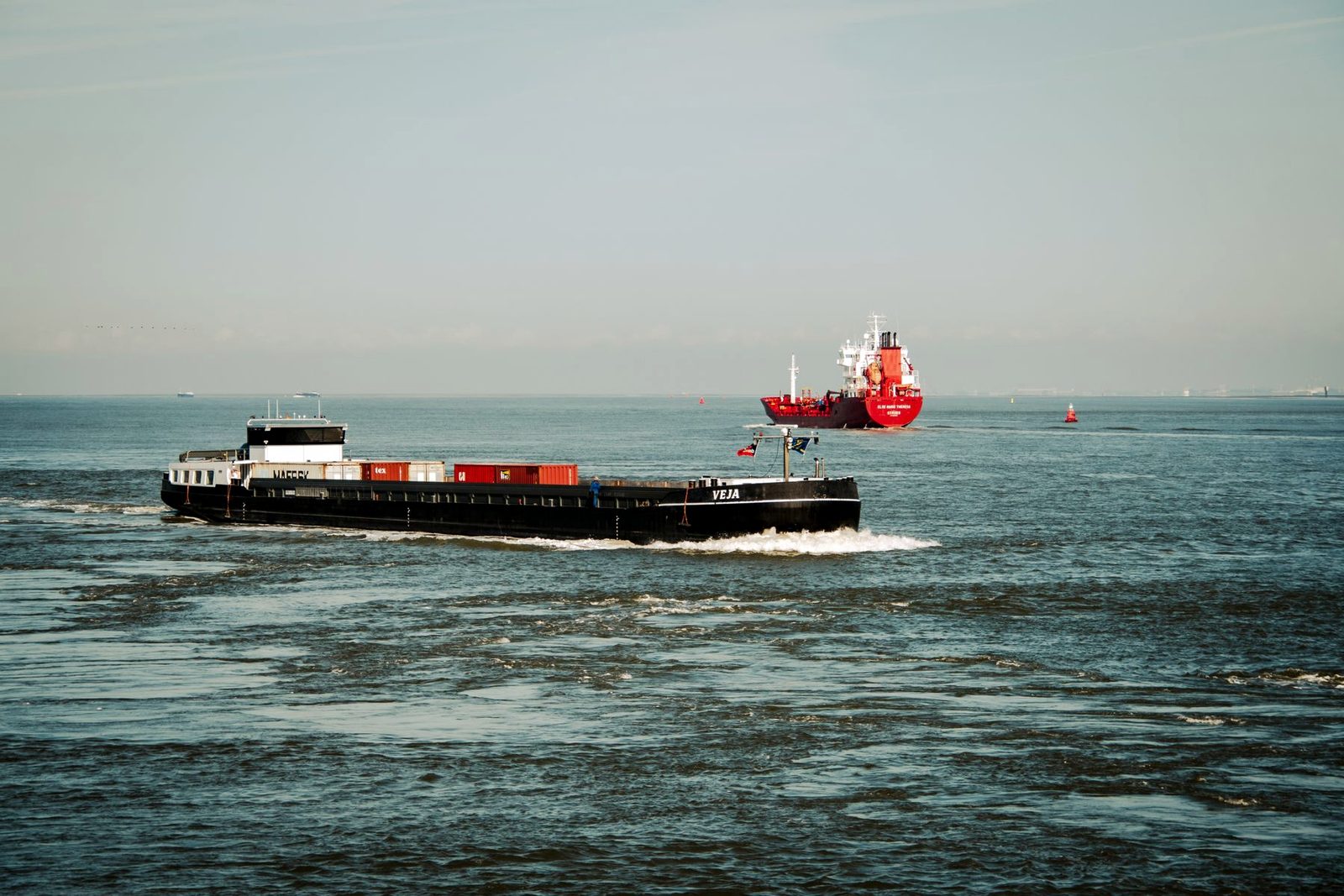
Freight rates have decreased in July. This follows patterns common to this period of the year. The northern hemisphere experiences reduced demand for many fresh produce items during summer months. Fewer shipments move from production areas to consuming markets.
The initial reduction
Lower volume translates directly into lower freight rates. Container shipping capacity is available. Carriers compete for cargo. This competition reduces per-unit transport costs for importers. The immediate effect appears beneficial, particularly when considering the cost pressures experienced in recent years.
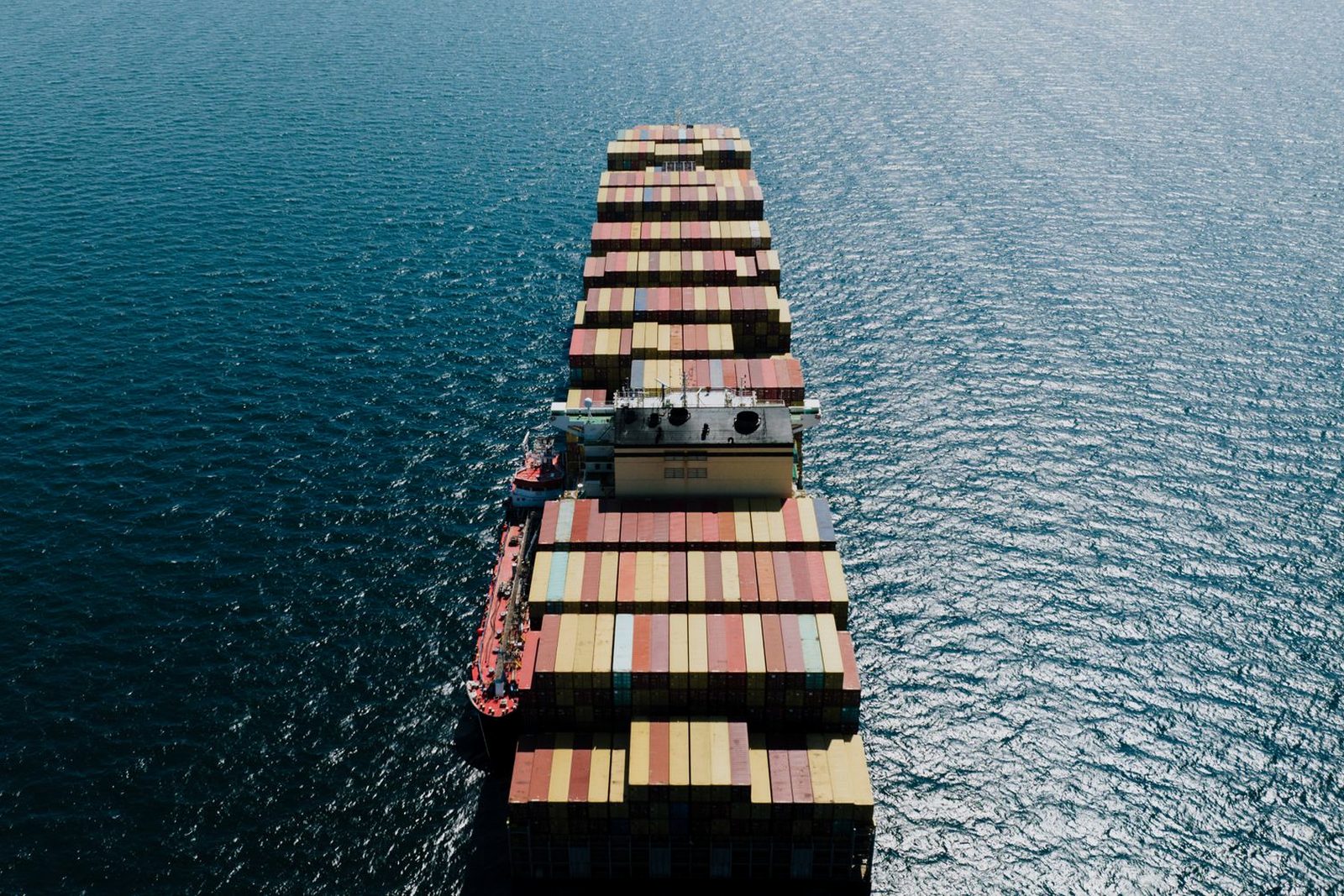
However, the potential savings are rarely as substantial as they initially appear. A flat rate reduction on freight does not automatically translate to a comparable decrease in landed cost. Numerous other expenses accumulate throughout the import process.
Cold chain costs
Fresh produce requires controlled temperatures during transport and storage. Refrigerated containers, known as reefer units, consume significant power. This is especially true for longer voyages or shipments requiring precise temperature settings. Reefer unit operation costs are tied to fuel prices, which remain subject to volatility.
Port handling charges also increase the landed cost. Refrigerated storage facilities at destination ports require electricity and maintenance. These fees are often calculated based on container type and duration of stay. Demurrage charges apply if containers exceed agreed-upon free time before being cleared for pickup. Summer heat increases the load on refrigeration systems, potentially requiring more frequent intervention by port staff. This adds to handling costs.
The seasonality of production itself complicates matters. Many growing regions experience peak harvests later in the year. Early summer produce often travels from locations further afield, adding distance and transit time compared to shipments originating closer to consuming markets. Greater distances increase reefer unit run-time and extend exposure to potential delays.
Demurrage and terminal handling
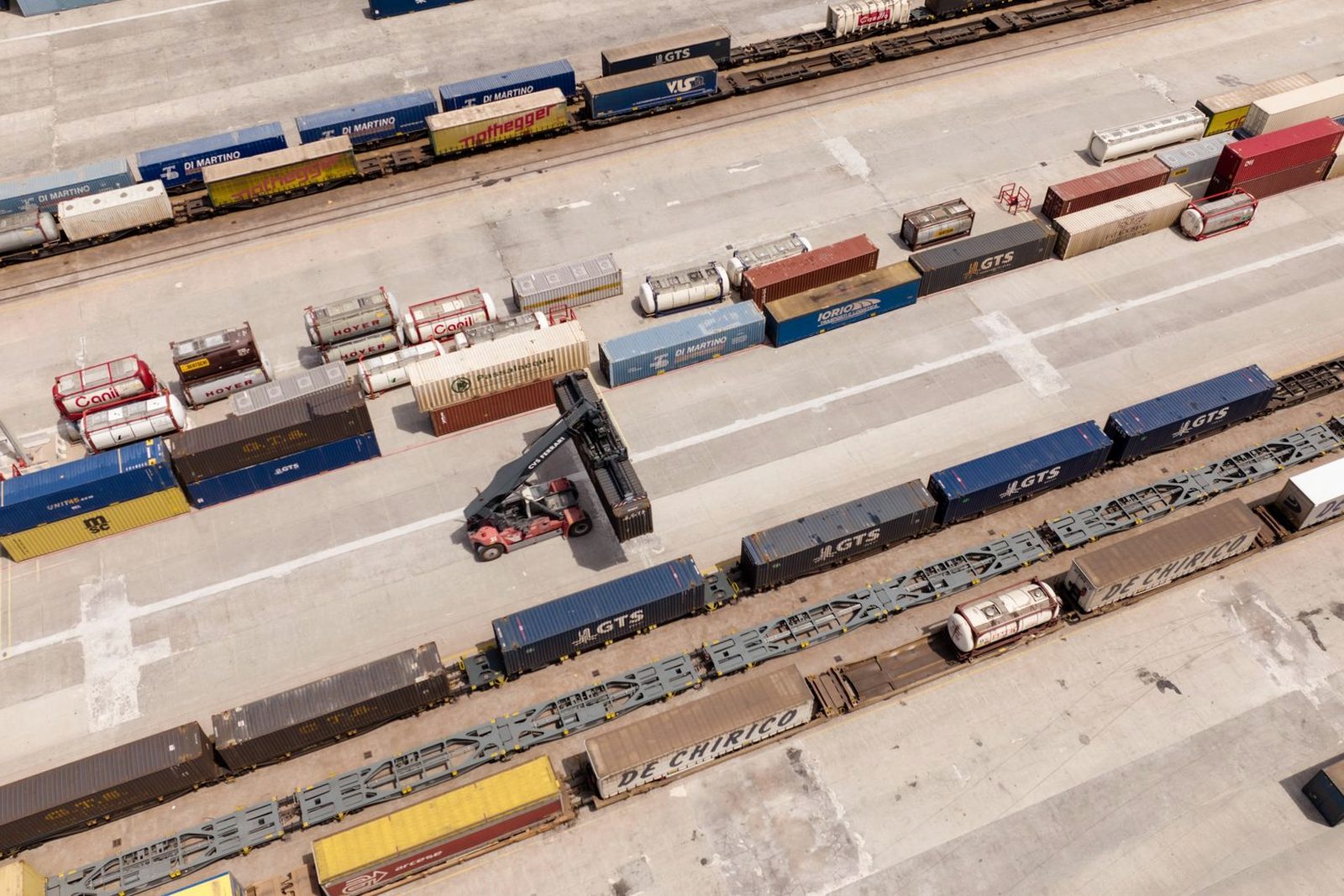
Reduced freight rates encourage importers to shift volume earlier in the import cycle to benefit from cheaper transport. This can create congestion at ports, particularly if inland transportation infrastructure is constrained. Congestion leads to increased demurrage charges. These penalties are levied by port authorities when containers remain on terminal longer than permitted.
Terminal handling charges also contribute significantly. These fees cover the costs of moving containers between vessels and storage areas. They can vary considerably depending on port efficiency, equipment availability, and local labour rates. A decrease in overall shipping volume does not guarantee improvements across all these variables simultaneously. Some ports may experience bottlenecks due to maintenance schedules or staffing issues.
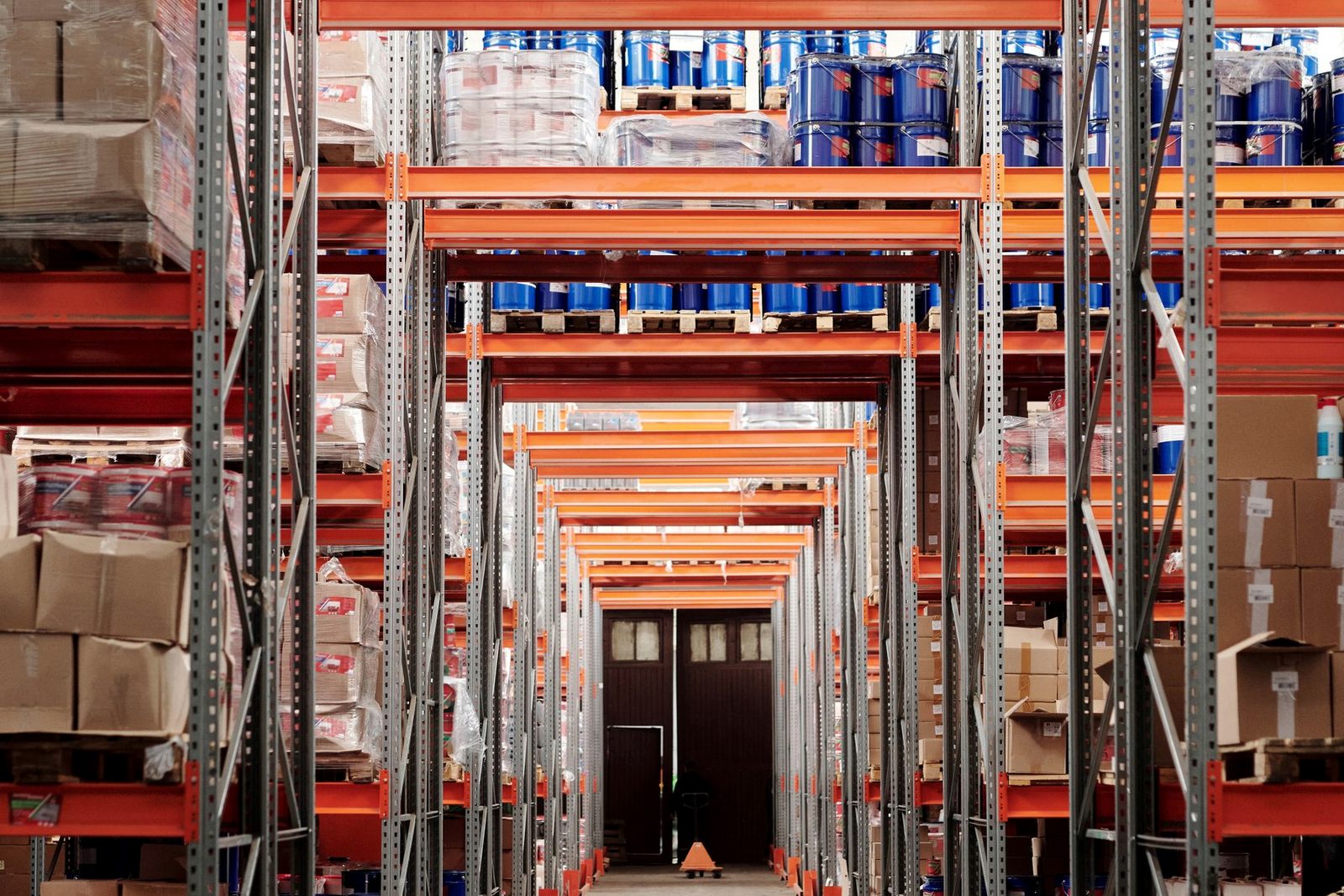
The complexity of the supply chain means that any changes impact multiple points. For example, a lower freight rate might incentivize increased container velocity. This requires more frequent use of port cranes and straddle carriers which drives up terminal handling charges per unit moved. A reduction in overall volume may also lead to fewer crane operators being available, slowing throughput and increasing demurrage.
The distribution network
Lower freight rates do not automatically translate into lower wholesale prices for retailers or consumers. Importers must consider the entire distribution network. Trucking costs from port to warehouse, storage fees at distribution centres, and retailer markups all contribute to the final price. These elements are often less susceptible to immediate adjustment based solely on changes in ocean freight.
The economics of perishable goods are inherently delicate. Importers must balance reduced transport costs against the risk of product spoilage or damage. Faster transit times resulting from lower rates may not always be desirable if they compromise product quality. Maintaining optimal temperature and humidity levels throughout the supply chain remains a priority, regardless of prevailing freight rates.
Managing expectations
Importers should approach apparent savings with caution. A thorough assessment of all associated costs is essential before making assumptions about profitability. The reduced freight rate represents only one piece of a larger puzzle. Detailed analysis of cold-chain management practices, terminal handling fees, and inland transportation logistics provides a more accurate picture.

Forward planning helps mitigate risks. Negotiating favourable rates for reefer unit operation and port storage can offset some cost increases. Diversifying sourcing locations reduces reliance on single transport routes or ports. Building strong relationships with carriers and port operators facilitates communication and coordination during periods of congestion. Careful inventory management minimises demurrage charges by ensuring timely container clearance.
The quieter period in the year provides an opportunity to review existing logistics strategies. Identifying areas for efficiency improvements across the entire supply chain can yield long-term benefits that extend beyond short-term fluctuations in freight rates. This requires a granular understanding of operational costs and a commitment to continuous improvement.
