
The morning after sanctions are announced, oil traders wake up to a world where supply chains are tighter and prices are higher. Geopolitical risks can turn stable markets volatile overnight.

For years, the global oil sector has navigated an increasingly complex geopolitical picture. Conflicts in key producing regions, such as the Middle East or Venezuela, disrupt not only local production but also international trade flows. Sanctions imposed by major economies like the United States and European Union can cut off entire countries from global markets, affecting both supply and demand dynamics.
Geopolitical Risks and Market Volatility
The oil market reacts swiftly to geopolitical events because of its interconnected nature. When tensions rise between Saudi Arabia and Iran, for instance, traders assess the potential impact on crude oil production from these regions. Any perceived threat to supply leads to speculative buying, pushing prices higher.
Sanctions are another trigger for market volatility. In 2019, US sanctions against Venezuela’s state-owned oil company PDVSA led to a significant drop in Venezuelan oil exports. This reduced the amount of heavy crude available on global markets, causing a spike in prices as refiners scrambled to find alternative supplies.
Impact on Supply Chains
The disruption caused by geopolitical events can extend beyond price fluctuations into supply chain issues. Companies that rely heavily on imports from sanctioned countries face logistical challenges and increased costs. For example, companies importing oil from Russia after Western sanctions began in 2014 had to find new suppliers or negotiate complex workarounds.
These disruptions also affect downstream industries such as refining and transportation. Refiners need a steady supply of crude oil to operate efficiently, but sudden changes in the market can lead to shortages or overstock situations, impacting refinery operations and profitability.
Economic Sanctions and Oil Exports
Economic sanctions often target specific sectors within an oil-producing country’s economy. In cases like Iran, these measures can severely restrict a nation's ability to export its natural resources. The International Energy Agency (IEA) estimates that during peak sanction periods in 2019-2020, Iranian crude exports fell by over one million barrels per day.
Sanctions also affect the financial instruments used for trade. Banks and insurance companies often refuse to handle transactions involving sanctioned entities, complicating the movement of oil across borders. This leads to a reliance on alternative payment methods such as barter deals or cryptocurrency, which are less transparent but necessary for survival.
The Role of Speculation in Pricing
Speculation plays a significant role in how geopolitical risks influence oil prices. Traders and investors often anticipate future disruptions based on political developments, leading to price movements even before concrete actions are taken. This speculative activity can exacerbate market volatility and create short-term price spikes.
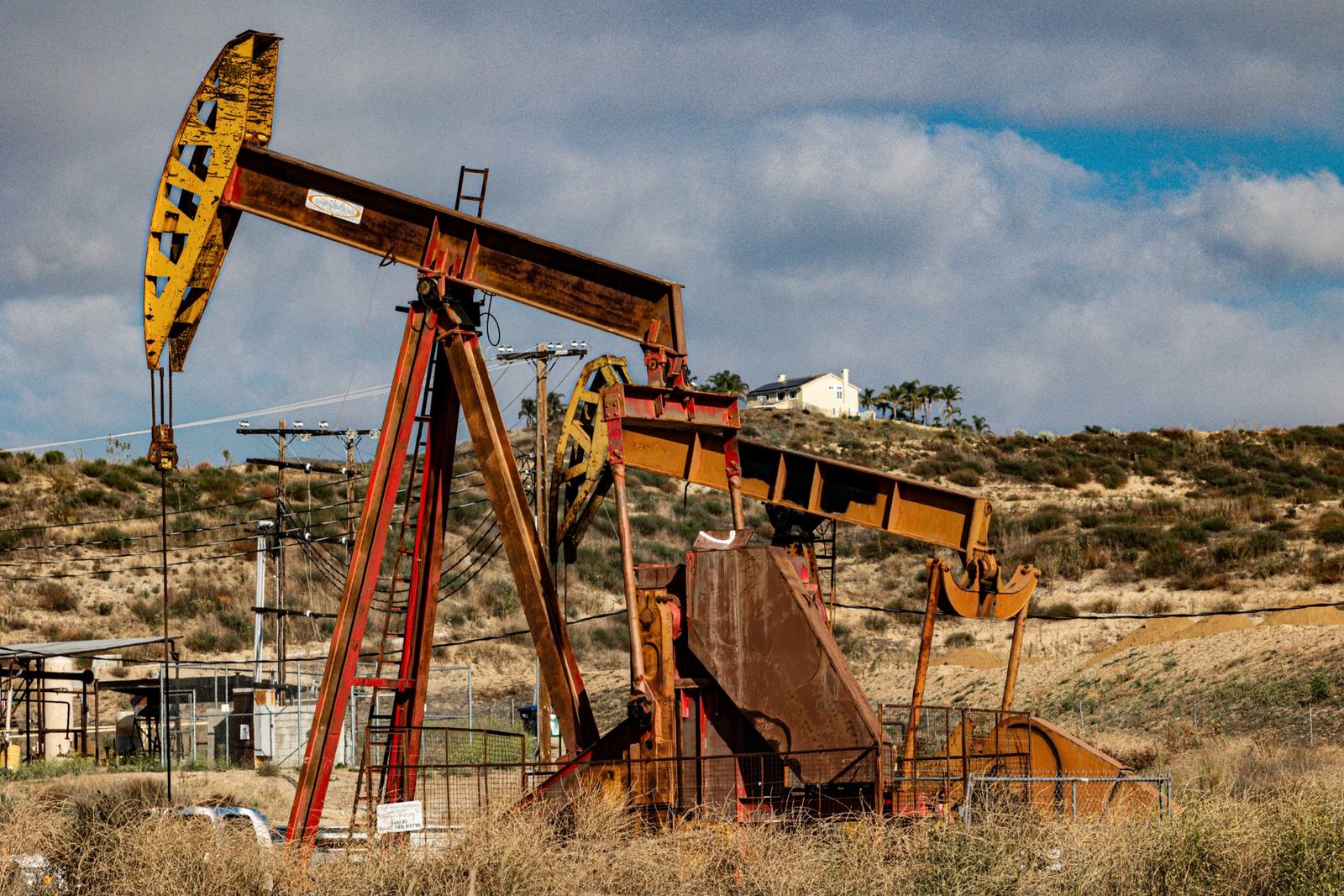
Futures contracts allow traders to hedge against potential supply shocks by locking in prices at current levels. However, when geopolitical risks increase uncertainty, these contracts become more volatile as the implied risk of future delivery issues rises.
Strategic Oil Reserves
Nations and international organizations maintain strategic oil reserves to mitigate disruptions caused by geopolitical events. The United States Strategic Petroleum Reserve (SPR), for example, holds millions of barrels of crude oil that can be released in times of crisis.
The release of strategic reserves serves as a temporary measure to stabilize markets and ensure sufficient supply during periods of scarcity. However, over-reliance on such measures can lead to depleting these resources too quickly, reducing their effectiveness for future crises.
Geopolitical risks continue to shape the oil sector’s dynamics by introducing uncertainty into supply chains and pricing mechanisms. Understanding how these risks are priced into markets is important for both producers and consumers who depend on a stable oil supply. As geopolitical tensions evolve, so too will the strategies employed to manage their impacts.