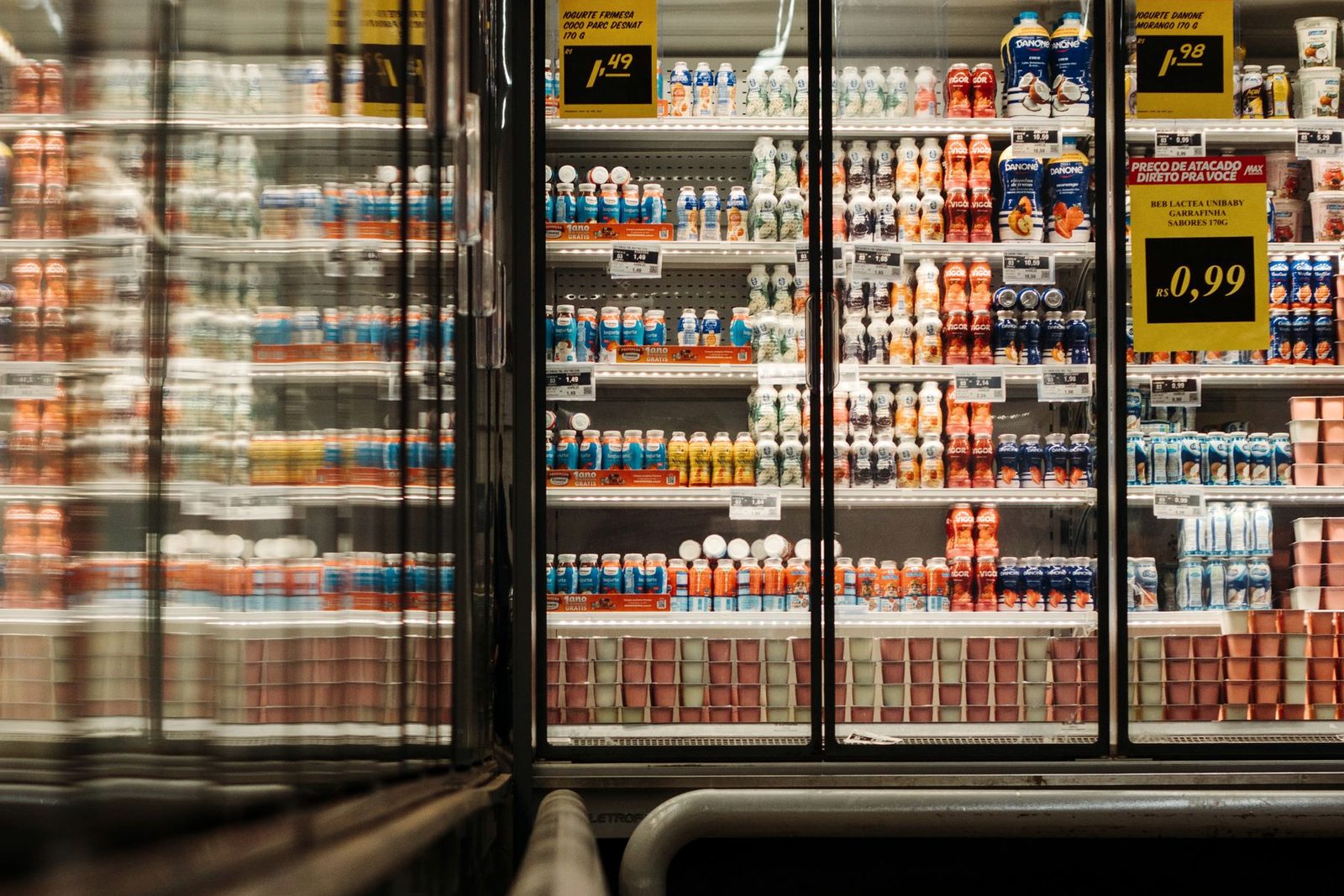
At Global Pacific Food Group’s cold storage facility in Chile, workers race against time to keep fresh produce viable for export to markets around the world. Every hour that passes increases costs while reducing shelf life. Meanwhile, on a Kern County oil rig managed by Klear Investments, barrels of crude sit underground, waiting for global prices to make extraction profitable. The contrast could not be starker: one business operates in minutes and days; the other spans decades.

Storage Basics
The cost structure for storing fresh produce is fundamentally different from that of oil due to its perishable nature. Fresh fruits and vegetables have a limited shelf life, requiring refrigeration and constant monitoring to prevent spoilage. This necessitates expensive facilities with precise climate control systems. By contrast, the primary expense in oil storage involves maintaining secure underground reservoirs or above-ground tanks.

According to the Food and Agriculture Organization (FAO), the global market for fresh produce is highly seasonal, driven by harvest cycles that vary by region. This seasonality means produce must often be stored until demand peaks, adding significant costs related to maintenance and quality control. Oil prices, on the other hand, are influenced more by geopolitical events and long-term supply dynamics rather than immediate consumption needs.
Cost Implications of Perishability
The perishable nature of fresh produce introduces a steep time cost curve. As days pass without sale or processing, the value diminishes rapidly due to spoilage risks. This economic reality forces producers and distributors to balance inventory levels with potential revenue loss from unsold goods. For instance, strawberries harvested in early spring may need to be sold within weeks, while winter storage for apples can extend shelf life but increases holding costs.
In the oil industry, physical assets like wells and pipelines require substantial upfront investment but offer long-term value retention if managed properly. Once extracted, crude oil can be stored indefinitely in tanks or underground caverns with minimal additional cost beyond security and maintenance. This stability allows companies to hedge against price fluctuations by storing reserves until market conditions are favorable.
Logistical Challenges
The logistical demands of fresh produce distribution include rapid transportation networks to move goods quickly from farm to consumer, minimizing time in transit and reducing spoilage risks. Supply chains for perishables must be meticulously coordinated to ensure timely delivery and optimal freshness upon arrival at retail outlets.
In contrast, the oil sector relies on a more stable logistics framework designed around large-scale infrastructure projects such as refineries, pipelines, and shipping terminals. These systems are optimized for efficiency over long periods, with less emphasis on immediate turnaround times compared to fresh produce supply chains.
Market Sensitivities
The market sensitivity for fresh produce is acute due to its highly seasonal nature and the limited ability to store large quantities without loss of quality. This makes pricing volatile and dependent on factors like weather conditions, pest outbreaks, and consumer trends. Producers must therefore engage in complex hedging strategies using futures markets to mitigate price risk.

Oil prices are influenced by a broader set of macroeconomic indicators such as global demand, geopolitical tensions, and environmental policies. The oil market is also more resilient to supply disruptions because it involves extensive storage capacities that can buffer against sudden shortages or spikes in demand.
Economic Opportunities
The perishable nature of fresh produce presents unique opportunities for companies like Global Pacific Food Group to optimize revenue by leveraging advanced technologies such as predictive analytics and blockchain traceability. These tools enable precise inventory management, reducing waste and enhancing supply chain efficiency.
In the oil sector, economic opportunities arise from strategic storage decisions that can capitalize on price differentials over time. Companies with significant reserves can benefit from selling at peak times when global prices are high, leveraging their ability to wait until market conditions favor higher returns.
The stark differences in cost structures between storing fresh produce and oil highlight the diverse challenges faced by companies operating in these sectors. While perishable goods require detailed management of time-sensitive logistics and rapid response to market changes, oil storage benefits from long-term stability and strategic hedging capabilities. Understanding these dynamics is important for optimizing operations and maximizing profitability across different commodity markets.