
The morning after OPEC announced another cut in production, crude oil futures on the New York Mercantile Exchange (NYMEX) opened higher, but by midday, prices had dropped. This volatility is commonplace as traders react to supply news against a backdrop of demand uncertainty. Understanding how oil futures contracts are structured and traded can clarify why such fluctuations occur.

Basics of Oil Futures Contracts
An oil futures contract is an agreement between two parties to buy or sell a specific quantity of crude oil at a predetermined price on a future date. These contracts are standardized by the exchange, setting out details like delivery dates and commodity specifications. The NYMEX, for instance, lists West Texas Intermediate (WTI) crude as its primary benchmark, with each contract representing 1,000 barrels.
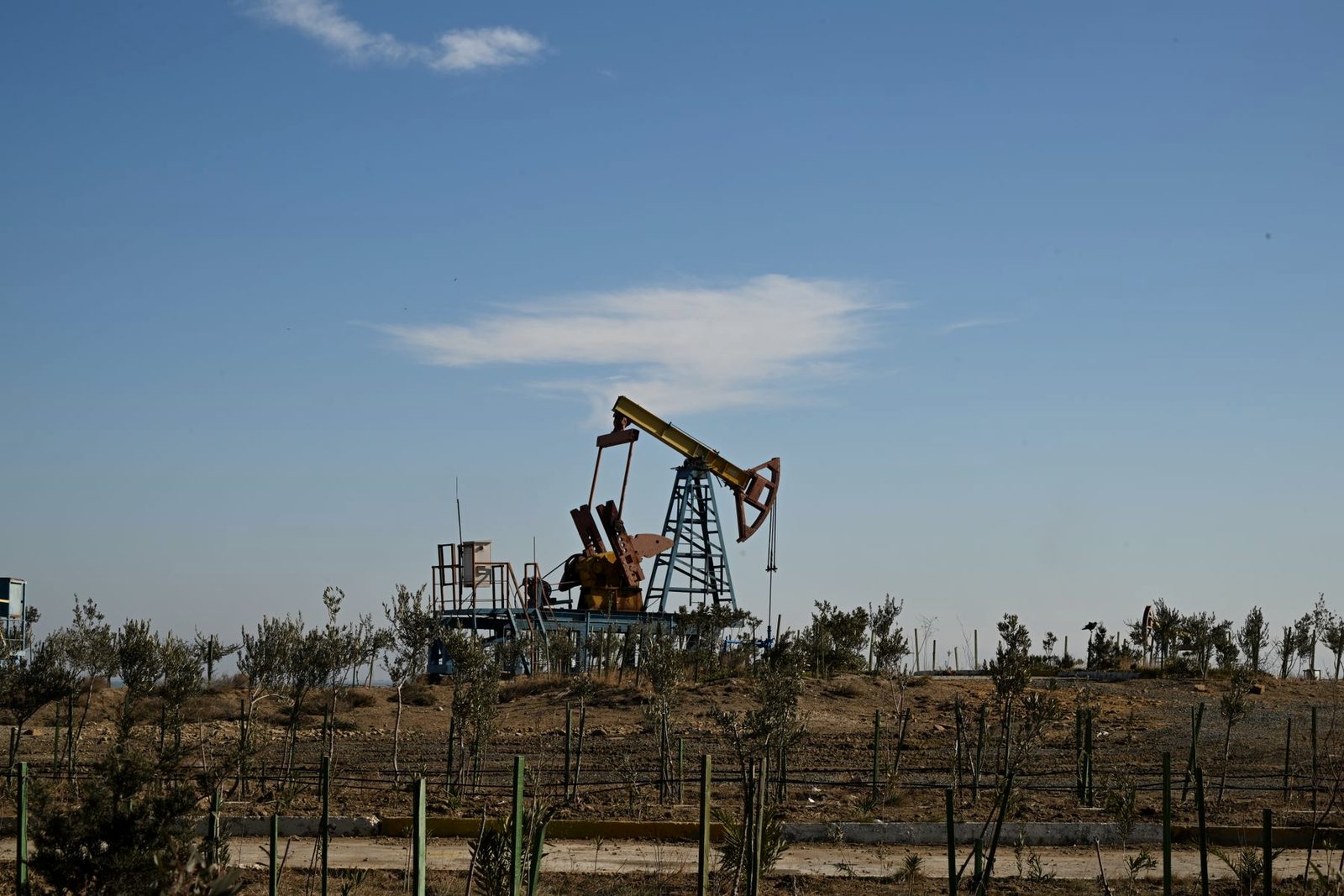
Traders buy or sell these contracts based on their expectations of future oil prices. If a trader anticipates that the price will rise by delivery date, they might enter into a long position, buying futures to lock in today's lower price for later sale at a higher rate. Conversely, if they expect prices to fall, they might take a short position, selling futures now and planning to buy back at the lower future price.
Trading Mechanisms
Futures trading takes place on exchanges like NYMEX, where participants trade through electronic platforms or open outcry systems. Traders can hedge against risk or speculate for profit by entering into contracts with varying maturities, short-term contracts might be used to manage immediate supply needs, while longer-term contracts are employed for strategic planning.
The financial implications of trading futures are significant because positions are marked to market daily. This means that at the end of each trading day, accounts are adjusted to reflect gains or losses based on the difference between the contract's price and the closing price. These adjustments can impact a trader’s margin requirements, necessitating additional funds or triggering liquidation if margins fall below maintenance levels.
Settlement Process
Futures contracts can be settled in two ways: physical delivery or cash settlement. Few traders take physical delivery; most opt for the convenience of cash settlement. When a contract nears expiration, holders must either close out their position by offsetting it with an opposite transaction or accept the terms for physical delivery.
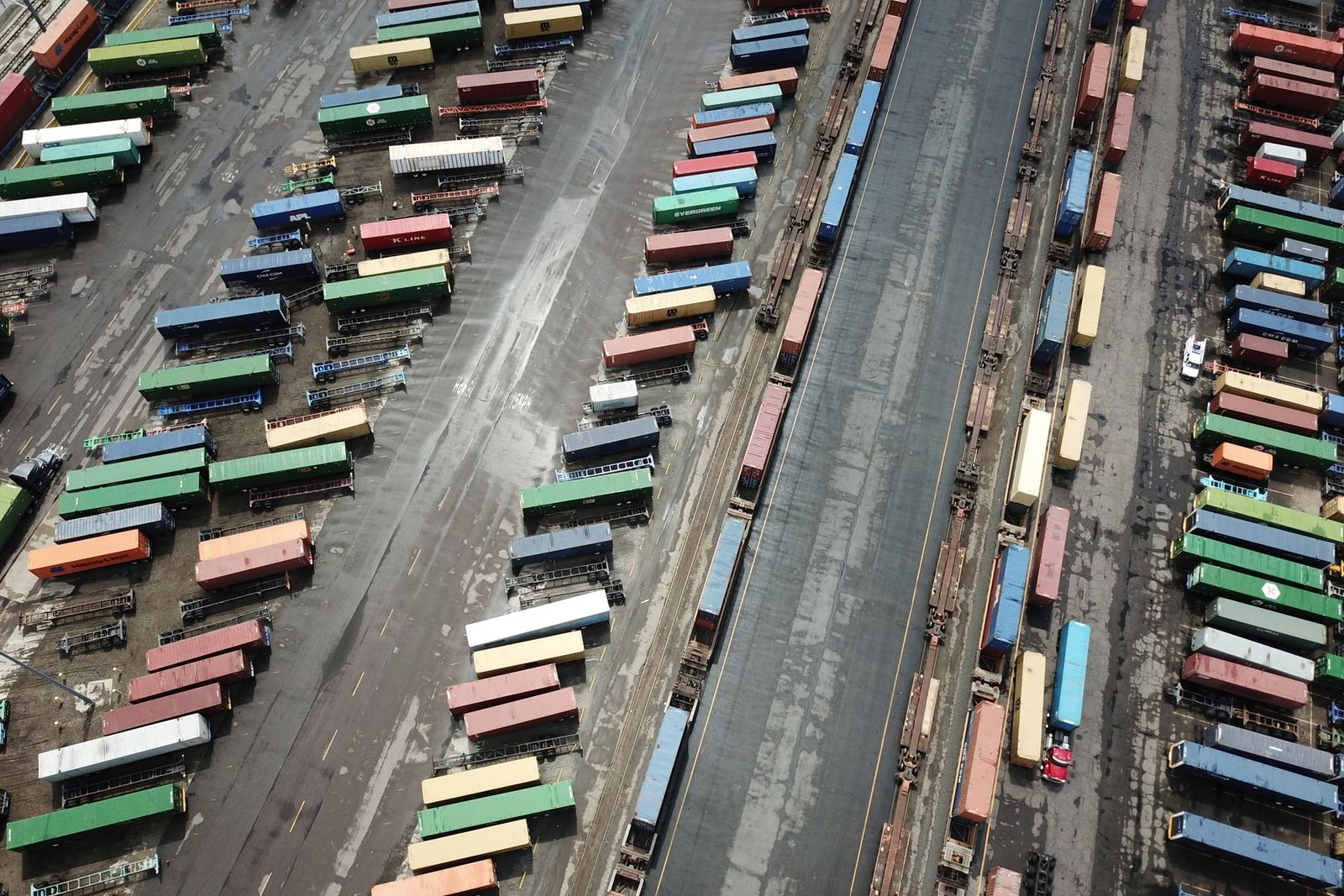
In practice, nearly all contracts are closed before expiration as traders find buyers and sellers to square off positions. This liquidity allows markets to function smoothly, even during periods of high volatility, ensuring that oil prices remain responsive to supply and demand dynamics without requiring actual barrels to change hands.
Impact on Global Crude Prices
The interplay between futures trading and physical crude markets is detailed. Futures prices influence spot market prices through arbitrage opportunities where traders can profit from discrepancies between forward and current market rates. This relationship ensures that any significant deviation between the two will prompt corrective action.
Additionally, global events like geopolitical tensions or supply disruptions create price spikes in futures markets before affecting the physical oil market, acting as an early warning system for potential changes in crude prices worldwide.
Risk Management and Speculation
Hedgers use futures contracts to protect against adverse movements in the price of underlying assets. For instance, refiners might buy futures contracts to lock in the cost of crude oil needed for future refining operations, thereby stabilizing their production costs. This practice helps companies manage financial risks associated with volatile commodity prices.

Speculators, on the other hand, use futures markets to bet on price movements without owning the underlying asset. They seek profit from accurate predictions about market trends and can magnify returns or losses through leverage provided by exchanges. Speculative trading adds liquidity but also introduces volatility, making it important for hedgers to work through these fluctuations carefully.
The mechanisms that govern oil futures contracts are integral to understanding the dynamics of global crude prices. By providing a framework for price discovery and risk management, these contracts facilitate efficient market operations despite periodic uncertainties in supply and demand scenarios.
