
Politicians talk about tariffs as if they were paid by foreign countries. Customs authorities know better. A tariff is collected at the border from the importer of record, a company with a local address and a local bank account, and everything interesting about tariffs happens after that: the slow, grinding negotiation over who actually eats the cost. The importer's ledger is where that fight is scored.

The mechanics at the border
Every product that crosses a border carries a classification code from the Harmonized System, the international nomenclature that sorts world trade into thousands of headings. The code, together with the customs value of the goods and their country of origin, determines the duty rate. The importer of record declares all three, and pays. Classification sounds like clerical work until you notice that adjacent codes can carry very different rates, which is why customs brokers and trade lawyers spend careers arguing about what a product technically is.
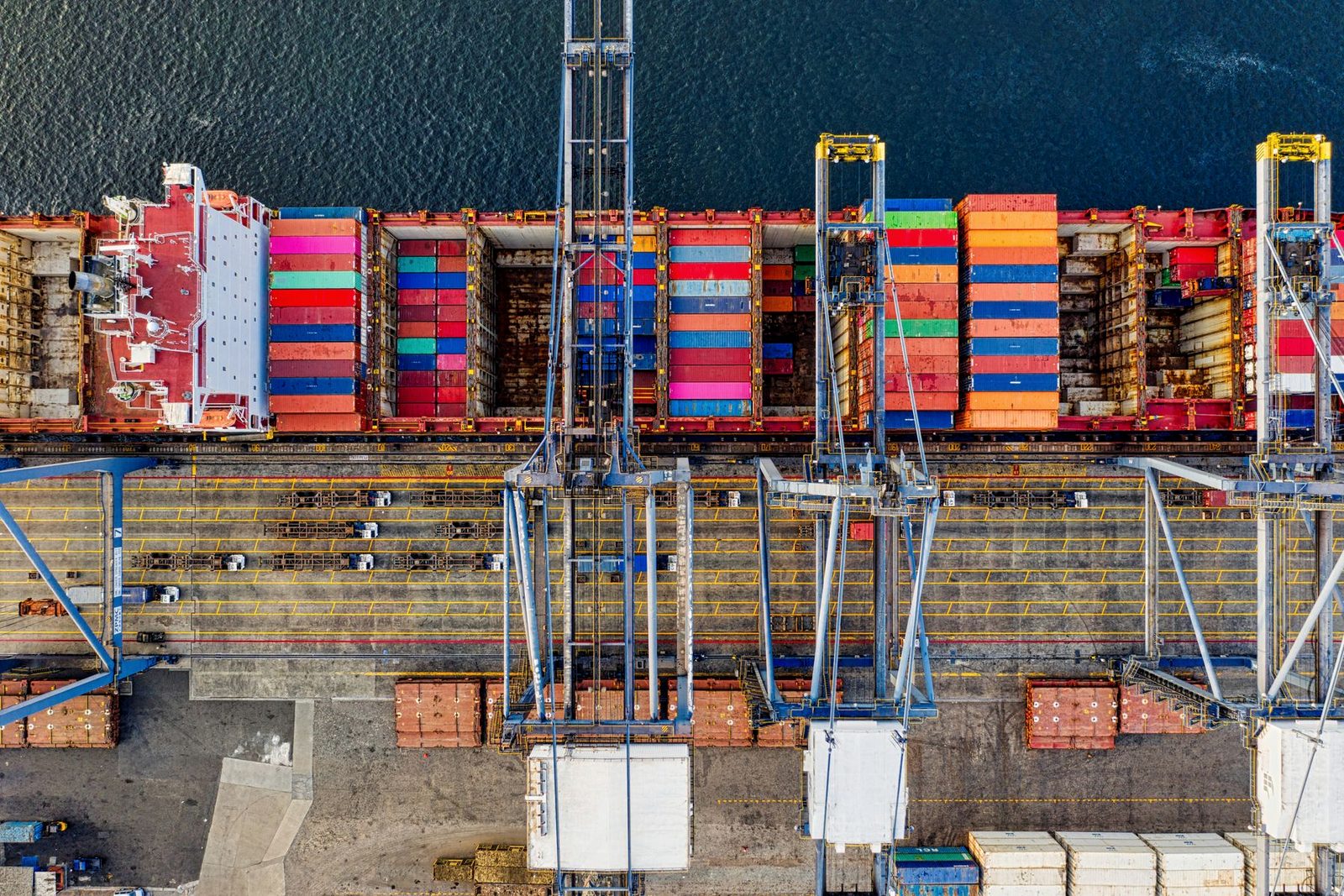
Timing is the other lever. Goods can sit in a bonded warehouse, duty unpaid, until the importer chooses to enter them into the market. For durable goods that creates room to manage cash and wait out policy changes. For a case of fruit it creates almost nothing, since the product cannot outwait anyone. Perishables pay promptly.
Pushing the cost upstream
The importer's first move is to ask the supplier to share the pain through a lower purchase price. How that conversation goes depends entirely on leverage. A supplier of something scarce, with other markets bidding for the volume, concedes little. A supplier with one dominant customer and no alternative outlet concedes more. Contracts written before the tariff complicate matters further, which is why trade turmoil is always followed by a season of renegotiation, waivers and carefully lawyered force majeure letters.

Economists describe the outcome with the term pass-through: how much of the duty shows up in each party's prices. The tidy diagrams in textbooks settle the question with elasticity curves. Reality settles it with bargaining power, switching costs and time.
Pushing the cost downstream
The other direction is the customer. Here the importer meets the modern retailer, an institution constitutionally opposed to cost increases and equipped with rival suppliers on speed dial. Price files reopen slowly, promotions are sacred, and a supplier who insists on recovering a tariff too quickly may recover it on a much smaller volume. So the duty tends to sit on the importer's ledger for a while, eroding margin, while the negotiation proceeds at retail speed.
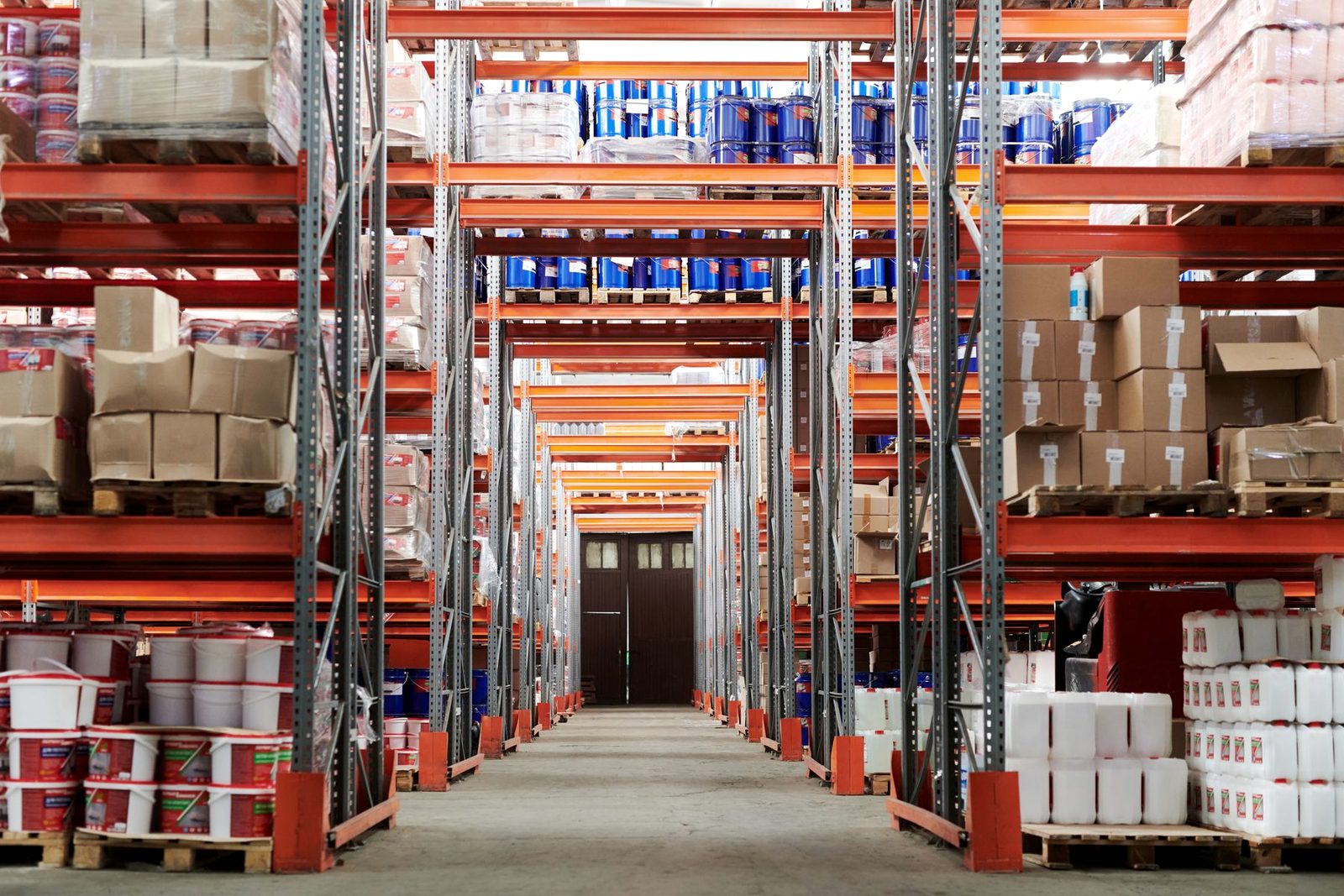
Whether it ultimately reaches the shopper depends on demand. For products people will buy regardless, the increase eventually lands on the shelf price. For products with ready substitutes, it cannot, and someone in the chain simply absorbs it. The studies of the American tariff rounds of 2018 and 2019 reached a consistent conclusion: the duties were borne almost entirely on the importing side, by companies and consumers, rather than by foreign exporters. The ledger, not the rhetoric, decided who paid.
The escape hatches
The system does offer relief valves, all of them paperwork-intensive. Duty drawback refunds most of the duty on goods that are later re-exported, valuable for traders who route product through a country rather than into it. Tariff-rate quotas let defined volumes in at lower rates, turning the calendar into a race. Free trade agreements exempt qualifying origins entirely, provided the importer can document where the goods genuinely came from. Each mechanism has its own filing deadlines and audit trail, and each is worth real money to whoever runs their records well enough to claim it. Sloppy paperwork, in this business, is a voluntary tax.
An old story
None of this is new. Before income taxes, customs duties were the main revenue source of many governments, which is why customs houses were built like the one in the photograph: monumental, central and unmissable. The Smoot-Hawley tariff of 1930 remains the canonical lesson in how steep duties invite retaliation and shrink trade for everyone. The technology of the ledger has improved since then. The physics of it, that the tax is collected locally and fought over privately, has not changed at all.
For a group that moves fresh produce across borders, the practical rule is simple. Assume the duty is yours until proven otherwise, classify carefully, document origin obsessively, and treat every relief programme as a line of found margin. Tariffs are politics at the podium. At the port they are arithmetic.

