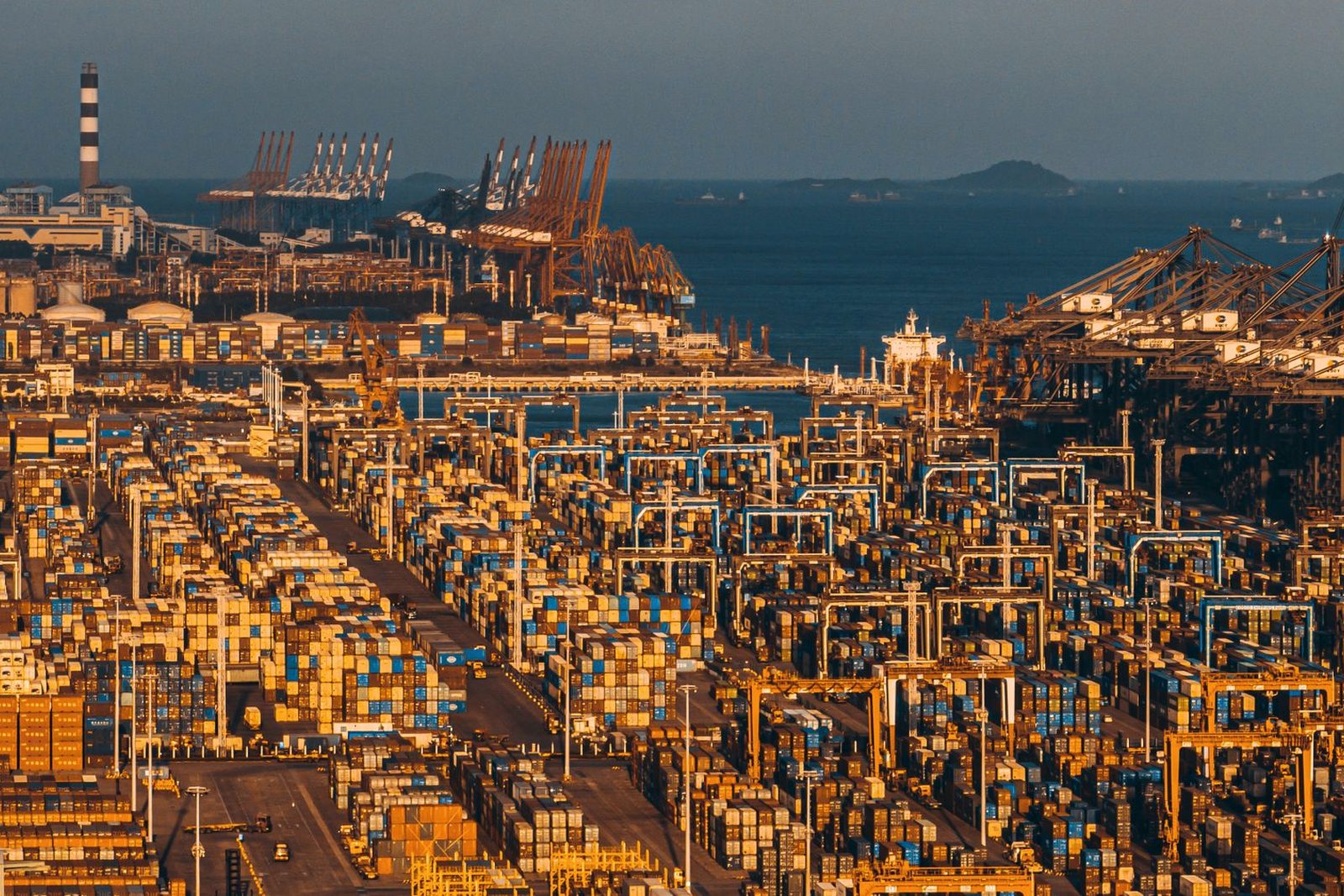
Storage economics are straightforward when contango exists. Prices for future delivery are higher than spot prices. This incentivises holding inventory. The difference represents an expected return. It is simple to see in oil markets. Producers will defer sales. Traders will lease tankage. Backwardation, where futures are cheaper than the current price, reverses this. Holding costs outweigh potential gains from a price increase. Sellers rush to market. Buyers postpone purchases.
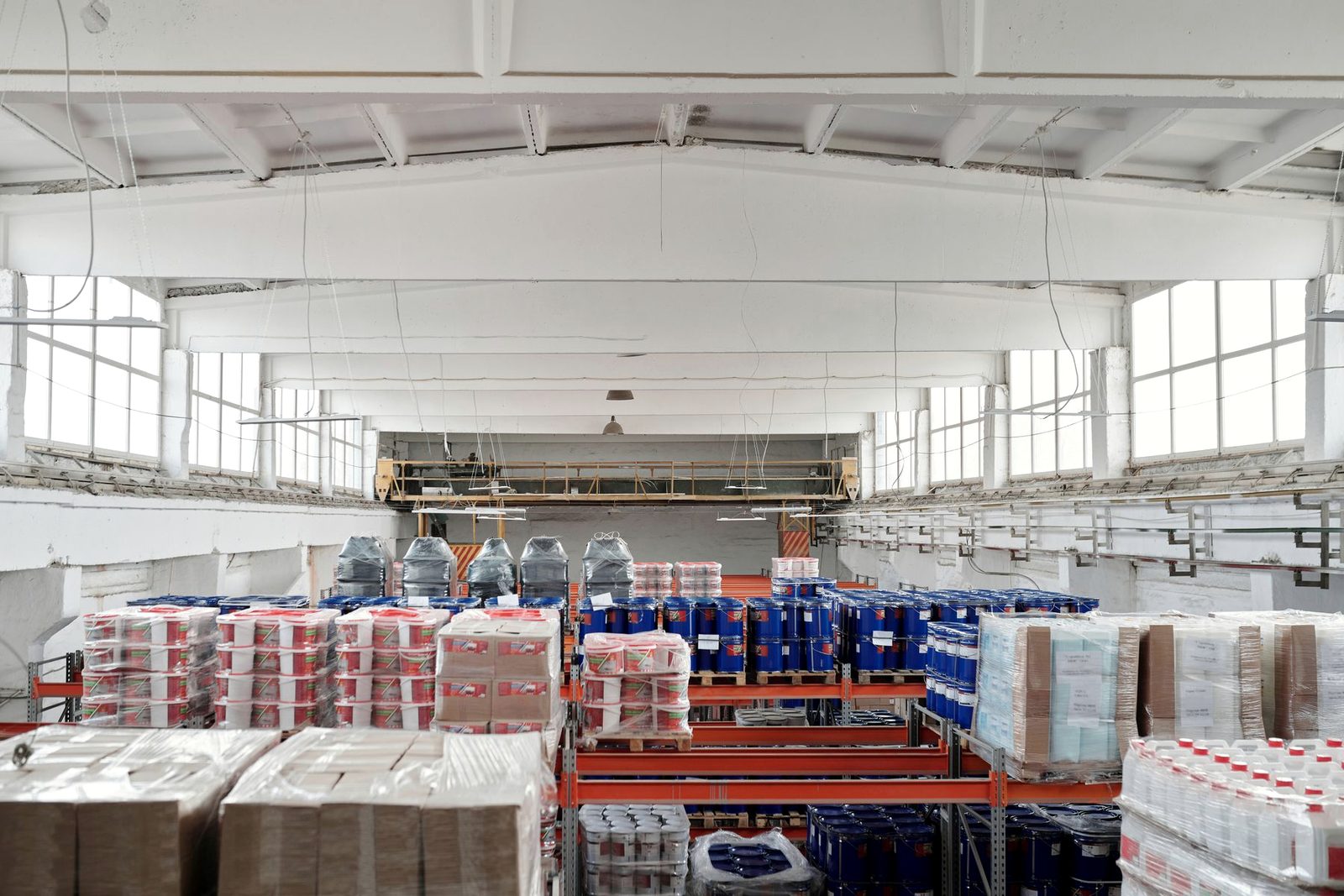
The mechanics of contango and backwardation
A contango situation reflects expectations of rising prices, often due to anticipated supply constraints or increasing demand. In oil, it can stem from geopolitical uncertainty or seasonal increases in consumption during the northern-hemisphere driving season. The shape of the futures curve is a signal about market sentiment and underlying conditions. Backwardation arises when immediate demand outweighs expected future demand or when there are concerns about current supply.
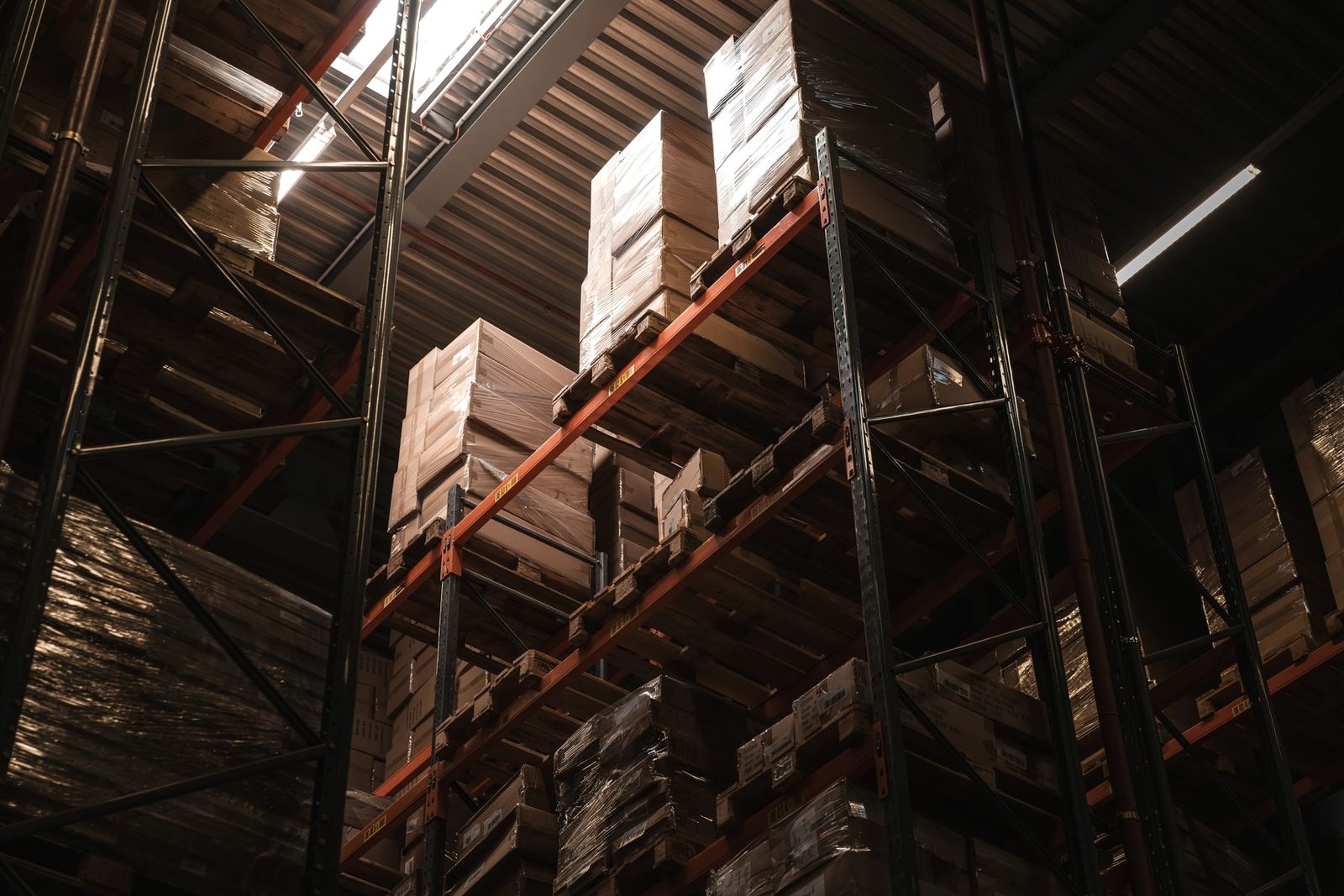
The same principles apply to perishable goods, specifically fruit destined for distant markets. During peak harvest seasons, an abundance of produce depresses spot prices. Producers may elect to store a portion of the crop in refrigerated facilities. They anticipate higher returns later in the year when local supplies dwindle and imports become more valuable. The cost of maintaining chilled storage – electricity, labour, facility rental – represents a hurdle. The futures price, in this case, is the expected price at a later date when that produce leaves cold storage.
The calculation is similar regardless of commodity. It involves comparing the cost of storage with the difference between spot and future prices. For oil, it's tankage fees plus insurance and financing costs. Fruit requires refrigerated space, labour for packing and inspection, and the risk of spoilage. A flat price curve complicates this analysis.
Trading in a flat market
A flat price curve – where future prices equal current prices – presents unique challenges. The arbitrage opportunity disappears. There is no inherent incentive to store or defer sales. Holding inventory becomes purely a function of managing supply and demand, not exploiting anticipated price differentials. It requires greater precision in forecasting consumption patterns and matching them with production cycles.
Consider an oil producer facing a flat curve near the end of summer. The market expects stable prices into the autumn. Deferring sales offers no advantage. Tankage costs are simply expenses to be minimised. Producers must weigh those costs against immediate cash flow needs and potential opportunities to lock in sales agreements at a fixed price.
The same logic applies when managing fruit stocks. If the expected price for apples in November is identical to today’s market rate, storing them offers no financial benefit. The risk of quality degradation during storage becomes the dominant factor. Produce intended for distant markets must be assessed for its ability to withstand extended refrigeration and transportation.
The consequences are subtle but significant. In contango, hedging strategies are straightforward: buy futures contracts to lock in a future sale price. Backwardation dictates the opposite: sell futures to secure an immediate income. A flat curve removes this simple tool. It forces participants to rely on more complex techniques like options trading or physical delivery agreements. These require deeper market understanding and higher transaction costs.
The implications for risk management
Flat markets amplify other risks. Storage decisions are no longer driven by economic incentives, but by operational constraints. Packhouses must manage capacity efficiently to avoid bottlenecks during peak harvest. Pipelines must maintain consistent throughput to satisfy contractual obligations. Buyers require reliable supply chains to meet consumer demand.
In the oil sector, a flat curve often accompanies periods of low volatility. This can mask underlying imbalances in production and consumption. A sudden shift in either could trigger sharp price movements, leaving market participants exposed. Similarly, in fresh produce, unexpected weather events – frost, excessive rainfall – can disrupt harvests and create localized shortages.
Managing these risks requires a different approach. It is less about exploiting arbitrage opportunities and more about building resilience into the supply chain. Diversifying suppliers, securing long-term contracts, and investing in storage infrastructure become important. The ability to adapt quickly to changing conditions separates successful businesses from those that struggle.
The current time of year – mid-July – represents a transition point for many commodities. Harvests are ramping up in the northern hemisphere. Demand for summer fruits is nearing its peak. Oil consumption remains higher, but concerns about potential supply disruptions linger. The shape of futures curves reflects these competing forces. A flat curve demands careful analysis and proactive risk management.