
On a cargo ship bound for Ukraine in 2014, an insurance claim was filed after Russian forces seized part of the vessel's route. The insurer had to determine whether the shipping firm could expect coverage under wartime conditions. Such scenarios highlight the complexities of insuring maritime trade during conflicts.
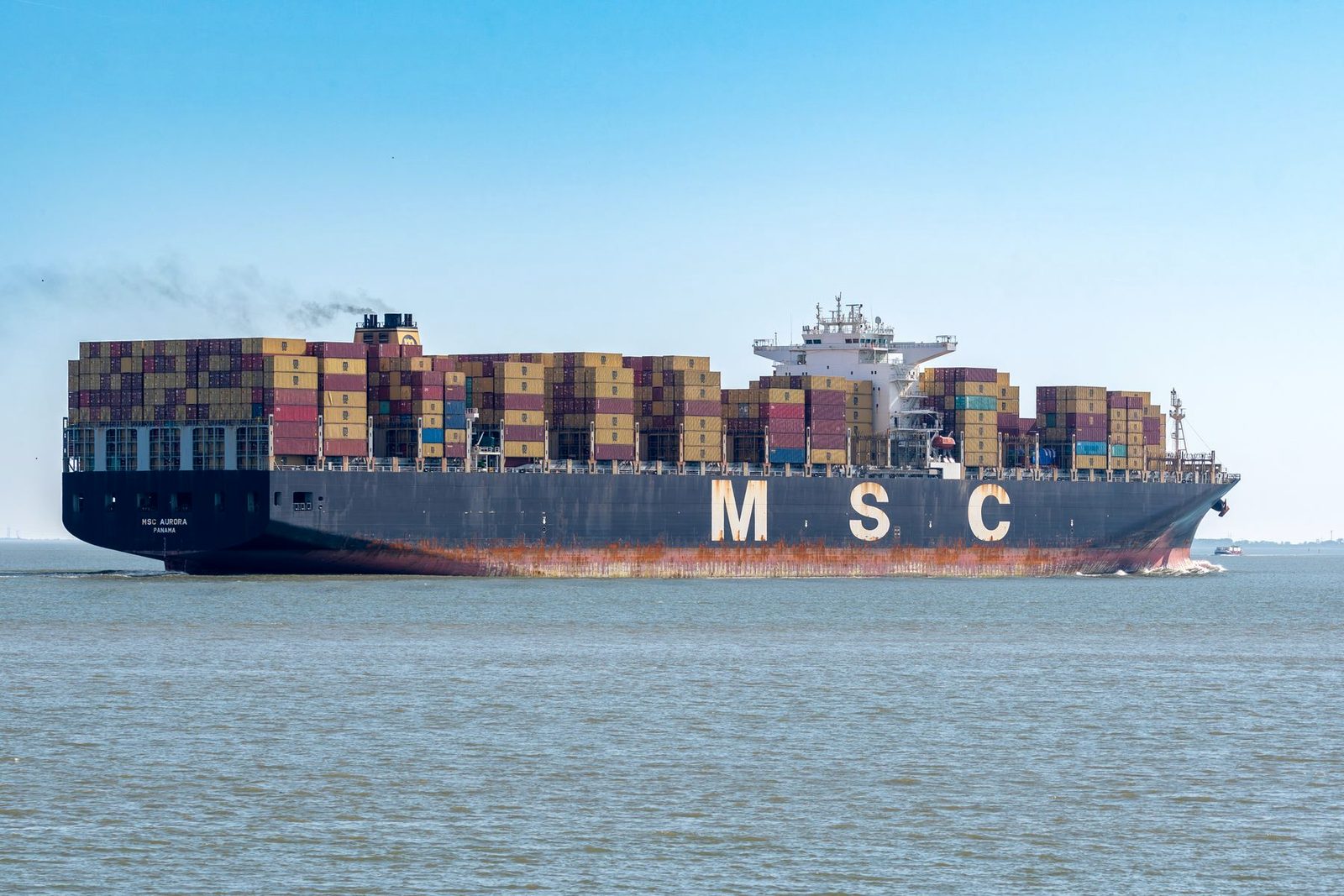
Risk Assessment
Shipping insurers evaluate risks based on historical data, current geopolitical tensions, and ongoing security assessments. They look at factors such as piracy threats in Somalia or the Strait of Malacca, political instability in Venezuela, or military operations in the South China Sea. Each risk is assigned a premium rate that reflects its likelihood and potential impact.
The International Maritime Organization (IMO) provides guidelines for assessing risks in conflict zones. Insurers use these frameworks to establish criteria for coverage. For example, they may require shippers to avoid certain areas or to implement specific security measures like hiring armed guards or installing advanced tracking systems.
Insurance Policies
A typical shipping insurance policy covers losses due to war risks, including seizure by military forces, piracy, and acts of sabotage. These policies are often structured as separate endorsements added to standard marine cargo insurance contracts. War risk coverage is critical for vessels navigating regions prone to conflict.
Insurers may also offer terrorism insurance as a standalone product or an additional rider on existing policies. This type of coverage protects against damage caused by terrorist activities, which can be unpredictable and occur in otherwise stable locations. Both war risks and terrorism policies typically have higher premiums due to their specialized nature.
Claim Handling
When a ship encounters a dangerous situation in a conflict zone, the first step is to notify the insurer immediately. The insurance company then initiates an investigation to determine the cause of the incident and assess any damages or losses. This process involves gathering evidence from local authorities, reviewing satellite imagery, and interviewing witnesses.
Insurers work closely with maritime security firms and legal experts to understand the specific circumstances surrounding a claim. They must verify that the vessel was operating within approved routes and adhering to all necessary safety protocols. If the incident is deemed covered under the policy terms, the insurer will provide compensation for losses incurred.
Reinsurance
To manage large-scale risks associated with conflict zones, primary insurers often reinsure part of their exposure through reinsurance contracts. Reinsurers take on a portion of the financial risk from multiple primary policies, spreading the potential loss across a broader pool of capital. This practice helps ensure that even in extreme scenarios, there is sufficient liquidity to cover claims.
Reinsurance agreements are typically structured with layers of protection, where each layer covers progressively larger losses up to a predefined limit. For instance, one reinsurer might cover losses between $10 million and $50 million, while another handles amounts above $50 million. This layered approach ensures that no single insurer bears the full burden of catastrophic events.
Challenges in Conflict Zones
In war zones, insurers face unique challenges such as incomplete information due to restricted access or hostile environments. Communication can be disrupted, making it difficult for shippers and insurers to stay connected during critical times. Additionally, political instability often leads to inconsistent application of insurance policies and legal frameworks.
Another challenge is the rapid evolution of threats in conflict areas. As new technologies emerge and tactics change, insurers must continually update their risk assessments and policy terms to remain relevant. This ongoing adaptation requires significant resources and expertise to ensure coverage remains effective amid active conditions.
Shipping insurance in war zones is a complex but necessary mechanism for maintaining global supply chains. By carefully assessing risks, providing tailored policies, handling claims efficiently, and leveraging reinsurance networks, insurers play a important role in safeguarding maritime trade even under the most challenging conditions.