
When a cargo ship sets sail from Shanghai laden with electronics destined for ports across Europe, every mile of its path is fraught with risk: piracy in the Gulf of Aden, extreme weather in the North Atlantic, or mechanical failure mid-ocean. Each threat can mean millions in losses if not adequately covered by insurance.
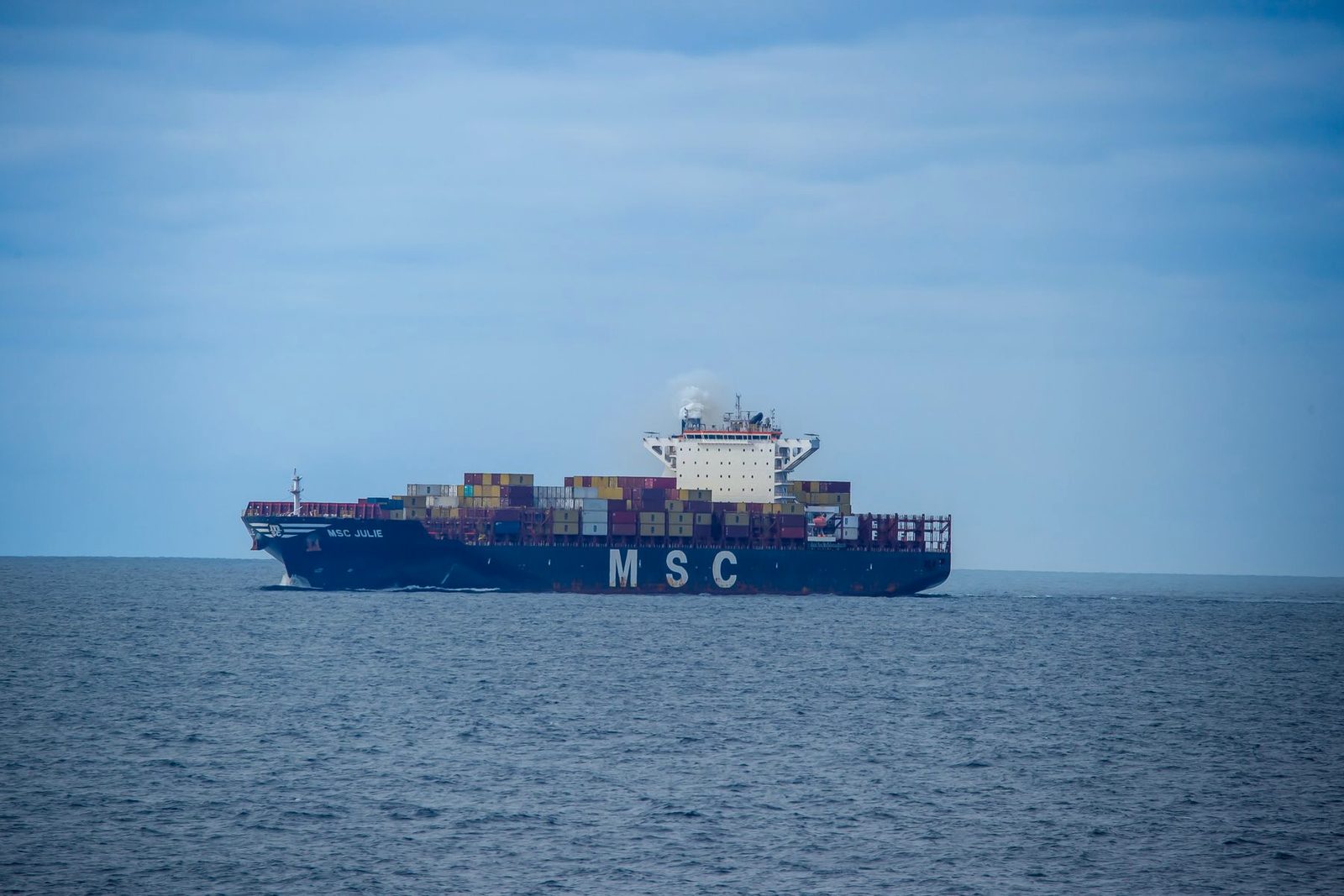
Global shipping insurance is a critical but often overlooked aspect of maritime trade. While ships and cargo move goods across continents, the unseen world of policies and claims behind this commerce ensures that financial risks are managed and economic stability maintained.
The Basics of Maritime Insurance
Maritime insurance covers various aspects of marine transportation, including vessels, cargo, and liabilities. The primary types include hull and machinery (H&M) insurance for the ship itself, protection and indemnity (P&I) insurance for third-party claims, and cargo insurance to protect goods in transit.
The cost and terms of these policies are determined by a range of factors: the vessel's age and condition, cargo type, route specifics, and historical data on losses and damages. For instance, routes known for high piracy or severe weather attract higher premiums due to increased risk exposure.
Impact on Trade Flows
The availability and cost of insurance significantly influence global trade flows. When insurers raise rates in response to heightened risks, such as those posed by geopolitical tensions or natural disasters, the cost of shipping increases, potentially deterring some traders from moving goods along affected routes.
This active can lead to shifts in supply chains, with companies rerouting shipments through regions where insurance premiums are more favorable. For example, if piracy off the coast of Somalia becomes too costly to insure against, shippers might opt for longer but safer routes around the Cape of Good Hope or via the Suez Canal.
Risk Management Strategies
Effective risk management is important in mitigating financial impacts from maritime accidents and disruptions. Companies often employ a combination of strategies, including diversification of shipping routes, use of reinsurance to spread risks across multiple insurers, and implementation of advanced safety measures on vessels.
Diversifying routes helps distribute the risk by spreading shipments across different sea lanes, reducing exposure to any single high-risk area. Reinsurance allows firms to share large potential losses with a broader pool of underwriters, thereby lowering individual premium costs and ensuring financial stability during major claims periods.
Regulatory Influence
The international maritime industry is heavily regulated by bodies such as the International Maritime Organization (IMO) and the International Association of Classification Societies (IACS), which set standards for vessel safety and environmental protection. These regulations directly affect insurance costs, as compliance with stringent safety measures can reduce risks but also increase operational expenses.
Regulations not only impact premiums but also influence underwriters' risk assessments. For instance, the IMO's International Convention for the Safety of Life at Sea (SOLAS) mandates strict construction and maintenance standards for ships, which insurers consider when evaluating policy terms and rates.
Economic Stability Through Insurance
The stability provided by global shipping insurance is essential for maintaining economic growth in international trade. By covering losses from accidents, theft, and natural disasters, insurance minimizes disruptions to supply chains and ensures that businesses can continue operations without facing catastrophic financial setbacks.
Insurance also plays a role in facilitating investment in the maritime sector by providing assurance against unpredictable events. This support is particularly important during periods of economic uncertainty or geopolitical instability when risks are higher and investor confidence may be lower.
The interplay between shipping, trade flows, and insurance is fundamental to the global economy’s resilience. By understanding and managing these relationships effectively, businesses can work through challenges more confidently and ensure that their supply chains remain solid through any adversity.