
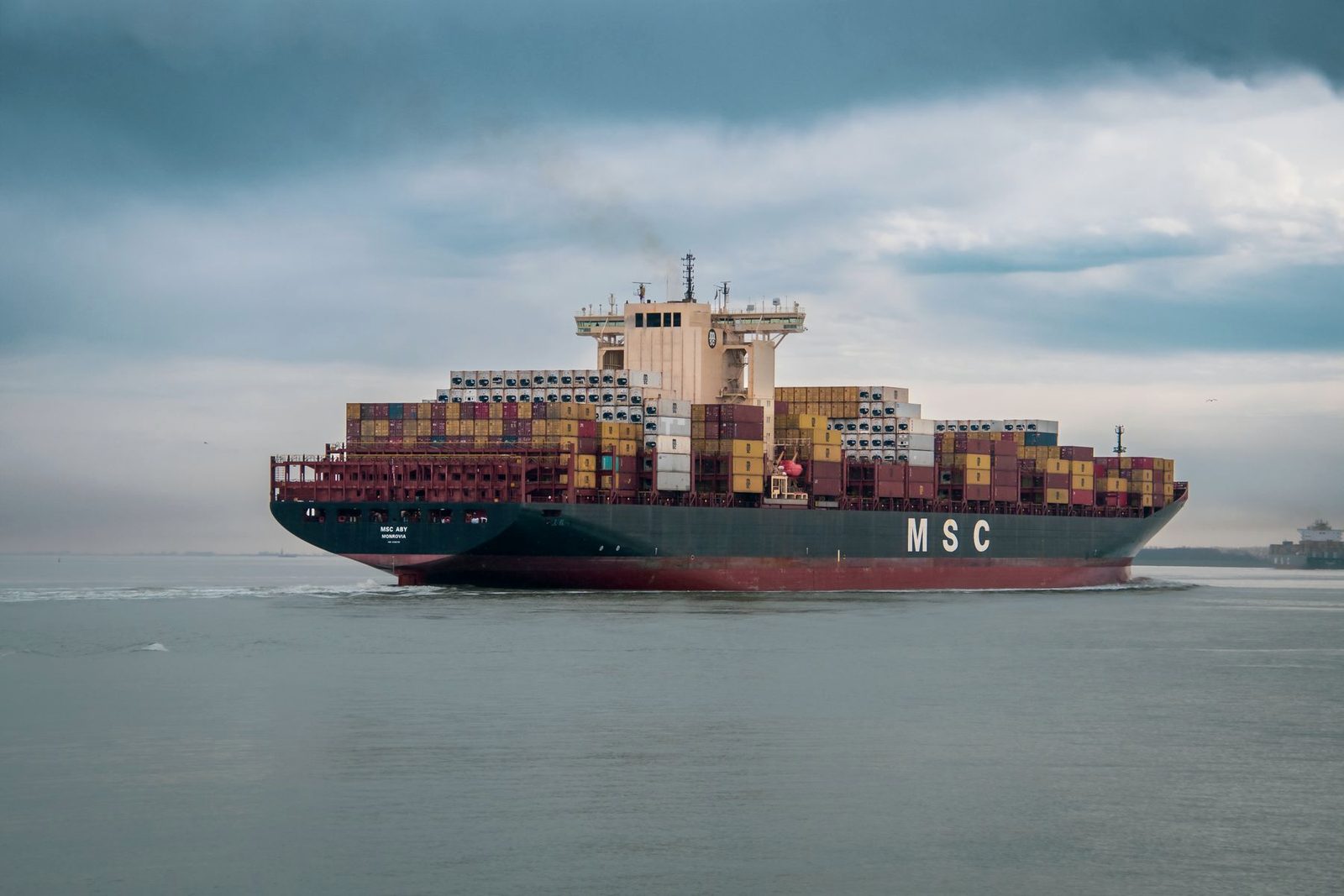
On a cold December morning in 2019, the container ship MSC Zoe was en route from Hamburg to Bremerhaven when it encountered severe weather conditions off the coast of the Netherlands. The storm was so intense that several containers were lost overboard, marking one of many incidents that highlighted the vulnerability of global shipping lanes to extreme weather events. Less than a month later, the world would come to know a new set of risks as countries began implementing lockdowns in response to the emerging pandemic.
Insurance Premium Adjustments
The immediate impact of the pandemic on global shipping was felt through increased insurance premiums. As supply chains faced unprecedented disruptions due to port closures and labor shortages, insurers responded by raising rates to cover higher risk levels. The International Group of P&I Clubs reported a surge in claims for delays and cancellations as vessels were held up at ports or rerouted around congested areas.
These adjustments were not uniform across all regions. For instance, while Asia saw significant increases due to the initial outbreak's epicenter there, Europe experienced less volatility initially but faced prolonged challenges with labor strikes and port congestion later on.
Risk Assessment Evolution
In response to shifting dynamics, insurance companies began integrating more sophisticated risk assessment tools into their underwriting processes. These included predictive analytics that factored in geopolitical events, such as trade disputes or sanctions, alongside traditional concerns like vessel age and crew training. The introduction of machine learning algorithms helped insurers better anticipate disruptions caused by sudden policy changes or political instability.
Another key development was the emphasis on cybersecurity risk assessments. With an increasing number of shipping companies adopting digital systems for tracking cargo and managing logistics, the threat of cyberattacks became a major concern. Insurers now demand solid security measures from clients as part of their coverage requirements.
Supply Chain Resilience
The pandemic underscored the importance of diversifying supply chains to mitigate risks associated with single-source dependencies. Many companies responded by establishing alternative routes and additional storage facilities, which in turn affected insurance costs for these new operational strategies. While some firms found it necessary to increase their premium budget significantly, others were able to negotiate more favorable terms through demonstrating enhanced resilience.
Insurance providers also started offering specialized policies tailored to the needs of businesses adapting to a multi-faceted threat picture. These included coverage for business interruption due to natural disasters and pandemic-related closures, as well as insurance against supply chain disruptions caused by political instability or technological failures.
New Types of Coverages
A notable trend in recent years has been the emergence of novel insurance products designed specifically for the shipping industry’s evolving needs. One such product is coverage for “cargo flow interruption,” which protects shippers against losses incurred when cargo cannot be delivered on time due to unforeseen circumstances beyond their control.
- Weather Risk Insurance: This type of policy compensates companies for delays or damage caused by severe weather conditions, providing an additional layer of protection against extreme events.
- Cybersecurity Coverage: With the rise in cyber threats targeting shipping logistics, insurers now offer policies that cover financial losses resulting from data breaches or ransomware attacks on digital systems used in cargo tracking and management.
Future Outlook and Adaptation
The post-pandemic era has brought about a renewed focus on preparedness within the global shipping insurance sector. As companies continue to work through an environment characterized by greater uncertainty, insurers are likely to see continued growth in demand for comprehensive coverage options that address not only traditional risks but also emerging threats like cybersecurity and climate change.
For Klear Investments’ operations, this means staying vigilant about evolving insurance needs across its diverse portfolio of businesses. Ensuring solid protection against a wider range of potential disruptions is essential for maintaining long-term stability and profitability in an increasingly complex global market.