
The shipping container arrived late at night, its contents from China destined for retailers in Europe. Inside were thousands of electronics components, but delays and higher costs due to recent trade tensions had already raised red flags. As the truck carrying the shipment waited outside customs, it was clear that supply chain efficiency was under threat.
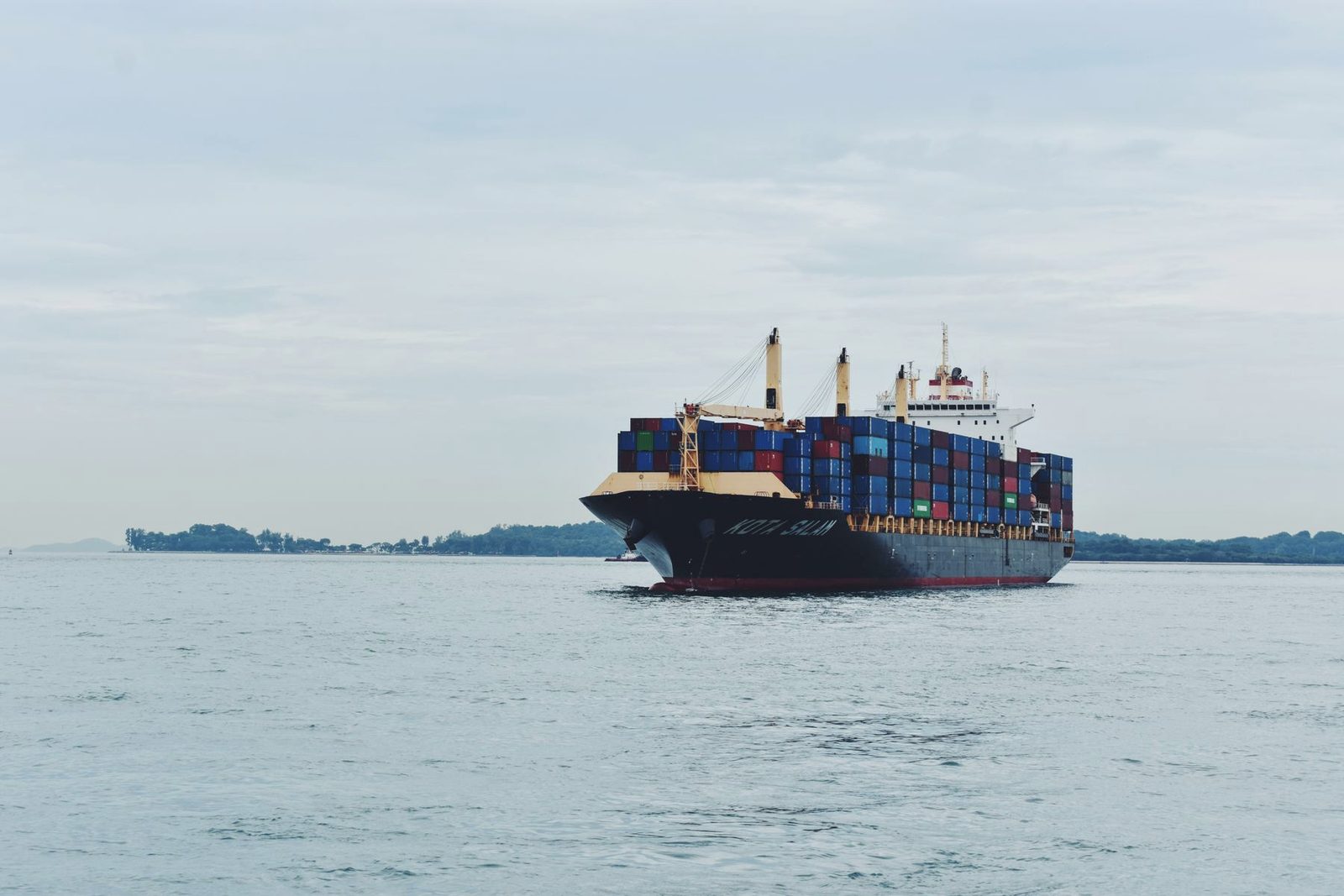
Trade conflicts between major economies can have immediate and far-reaching consequences for global supply chains. Delays in customs clearance, increased tariffs, and political instability all contribute to higher costs and reduced reliability. In 2019, the United States imposed a series of tariffs on Chinese imports, affecting everything from electronics to consumer goods. This prompted businesses to reassess their sourcing strategies and seek alternative suppliers.
Initial Impact
The imposition of tariffs triggered an immediate spike in costs for American importers, with many products seeing price increases of 10% or more within weeks. Retailers faced the dilemma of either absorbing these costs themselves to maintain profit margins or passing them on to consumers through higher prices.

Manufacturers and suppliers began exploring alternative sourcing options outside China. Vietnam, Mexico, and other Southeast Asian countries saw increased interest as businesses sought to diversify their supply chains and reduce exposure to geopolitical risks. These shifts were not immediate but required significant investment in new supplier relationships and logistics infrastructure.
Economic Consequences
As tariffs took effect, American importers faced a complex web of regulatory changes and compliance requirements. Companies needed to work through through bureaucratic processes and adapt their supply chain operations to comply with new regulations. The costs associated with these adjustments included legal fees, compliance software purchases, and the time spent by staff on training and implementation.
The economic impact was not limited to importers and retailers; it extended to the broader economy as well. Higher prices for imported goods translated into reduced consumer spending power in affected sectors. Retail sales of electronics, home appliances, and other tariff-affected products saw a noticeable decline during periods of high tariffs, affecting overall retail revenue.
Strategic Adjustments
In response to these challenges, businesses began implementing strategic changes to mitigate risks. Many companies diversified their supplier base by establishing relationships with manufacturers in multiple countries, thereby spreading the risk and ensuring continuity of supply. This approach required substantial investments but offered long-term benefits in terms of resilience.

Other firms opted for nearshoring, bringing production closer to home markets to reduce dependency on distant suppliers and minimize the impact of international trade disputes. For example, some electronics manufacturers relocated assembly lines from China to Mexico or Vietnam to benefit from regional free trade agreements and lower transportation costs.
Logistical Adaptations
The logistics industry responded to these changes by developing new routes and partnerships. Shipping companies began offering more frequent sailings between Asia and North America, while air freight became a viable alternative for time-sensitive shipments despite higher costs. Warehousing solutions were also adapted with the establishment of regional distribution centers closer to major consumer markets.
Supply chain management systems were upgraded to handle the complexity of new regulations and supplier relationships. Advanced analytics tools helped companies predict demand patterns more accurately, enabling them to manage inventory levels effectively and reduce waste. Automation technologies such as robotics in warehouses further improved efficiency and speed.
Industry Response
The electronics industry was particularly hard hit by trade conflicts but also demonstrated resilience through strategic adjustments. Companies invested heavily in research and development to innovate around supply chain disruptions, developing new products that could be manufactured with fewer imported components or from alternative materials.

Beyond the immediate economic impact, businesses also faced reputational risks associated with delays and cost increases. Transparency became a key factor as companies needed to communicate openly with customers about pricing adjustments due to tariffs and other trade-related factors. Building trust through clear communication helped maintain customer loyalty during challenging times.