
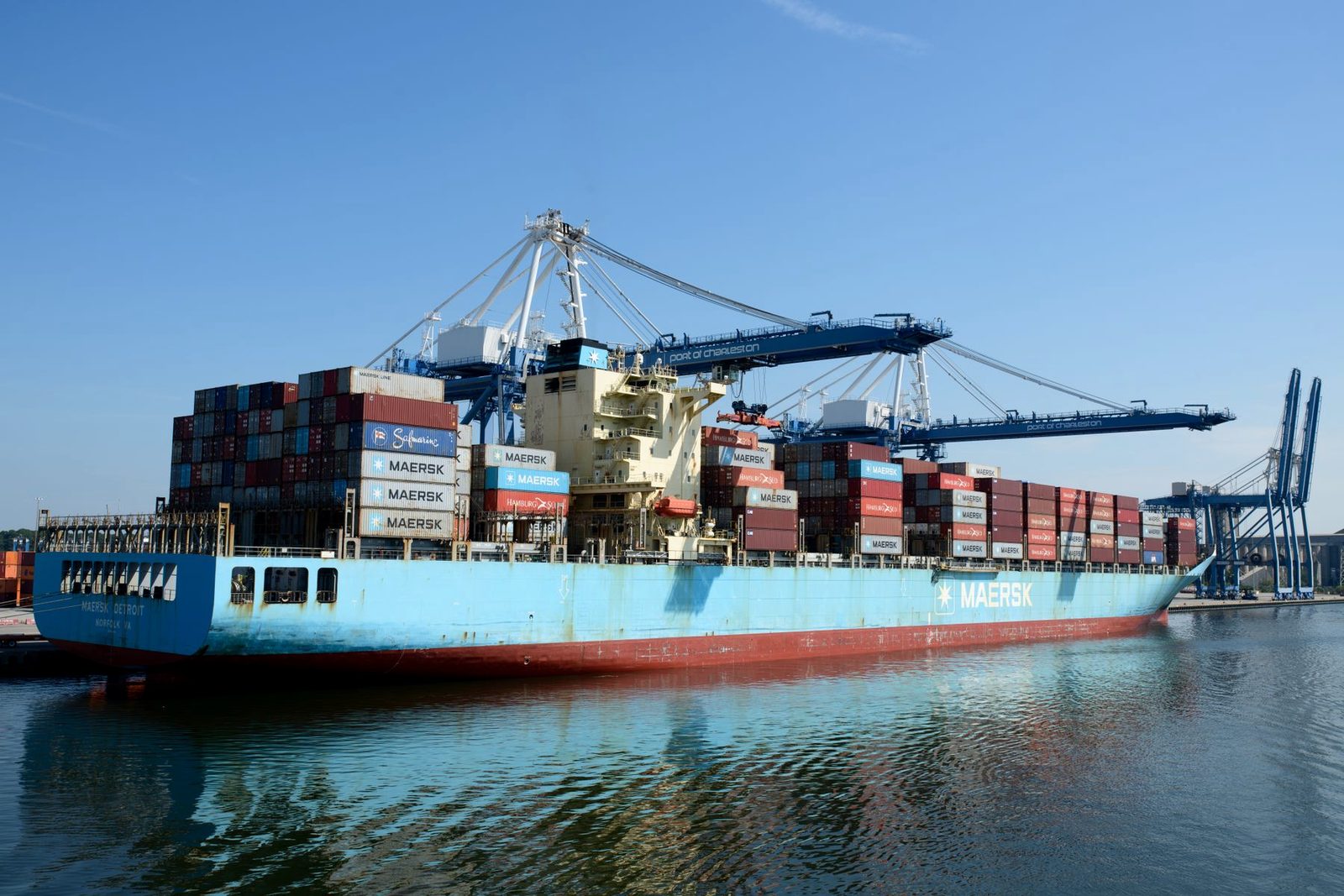
On a busy Tuesday morning at the Port of Los Angeles, crates full of Chilean grapes arrive from South America, only to face unexpected delays due to newly imposed tariffs. Such interruptions in the supply chain can lead to significant price hikes at retail stores, affecting consumers across North America.
Tariffs and Market Access
Global fresh produce trade is subject to a wide range of tariff regulations that vary by country and product type. For instance, under the United States-Mexico-Canada Agreement (USMCA), many fruits imported from Canada and Mexico are exempt from tariffs, ensuring smoother supply chains for these regions. However, imports from other nations like Chile must work through complex tariff schedules set by international trade agreements.
The imposition of tariffs can significantly disrupt market access for exporters. When a country introduces higher tariffs on imported produce, it often leads to increased costs and reduced competitiveness in the global marketplace. For example, during periods when the United States has imposed retaliatory tariffs on certain imports from Europe or Asia, domestic suppliers have seen their prices rise due to added import duties.
Impact on Supply Chains
Tariffs create bottlenecks within supply chains by introducing additional layers of complexity and cost. For instance, when a country implements strict tariff policies, it may require exporters to comply with extensive documentation and clearance processes at customs checkpoints. This can result in delayed shipments and increased inventory costs for importers.
Moreover, tariffs often lead to strategic shifts in sourcing strategies among retailers and wholesalers. Companies might seek alternative suppliers or explore new trade routes to minimize the impact of high tariffs. For example, a significant increase in tariffs on Chilean citrus could prompt buyers to look towards South Africa or Australia as viable alternatives during off-season periods.
Economic Consequences
The economic repercussions of tariffs extend beyond mere price hikes and supply chain disruptions. Tariffs can lead to reduced consumer spending power, particularly for perishable goods like fresh produce, which are often highly sensitive to pricing changes. As import costs rise, retailers tend to pass these expenses onto consumers in the form of higher prices at checkout.
Furthermore, tariffs can also affect domestic production and employment levels within the agricultural sector. High tariffs may discourage foreign investment and limit market access for local producers who rely on exporting their products abroad. This scenario can lead to a contraction in export-oriented farming activities, potentially impacting livelihoods and regional economies that depend heavily on international trade.
Strategic Responses by Producers
In response to tariff-induced challenges, many agricultural producers have adopted diversified strategies aimed at mitigating the risks associated with fluctuating tariffs. Some companies establish joint ventures or partnerships in countries offering more favorable trading conditions, thereby reducing their exposure to high tariffs.
Others focus on improving efficiency and productivity within their operations to offset the increased costs imposed by tariffs. For instance, a Chilean grape grower might invest in advanced irrigation systems to enhance water management capabilities, thus lowering operational expenses and maintaining competitive pricing levels despite higher import duties.
Regulatory Environment and Future Outlook
The regulatory environment governing international trade is continuously evolving, with new agreements and policies being negotiated regularly. Producers must stay informed about upcoming changes in tariff structures and other trade regulations to adapt their strategies accordingly.
A key challenge for the future lies in navigating increasingly complex global trade dynamics. As countries pursue more protectionist measures, producers will need to develop solid contingency plans to ensure reliable market access and stable supply chains. This may involve diversifying export destinations, forming strategic alliances with international partners, or exploring innovative technologies that enhance operational efficiency.
Understanding the detailed relationship between tariffs and global fresh produce trade is essential for stakeholders involved in this active sector. By staying attuned to regulatory shifts and implementing adaptive strategies, producers can better weather tariff-induced disruptions and maintain their competitive edge in an ever-changing market picture.