
As trucks loaded with produce from California's Central Valley grind to a halt at the border, customs delays grow longer due to heightened tariffs. The ripple effect is felt in grocery stores across Canada, where prices for fresh fruits and vegetables spike.
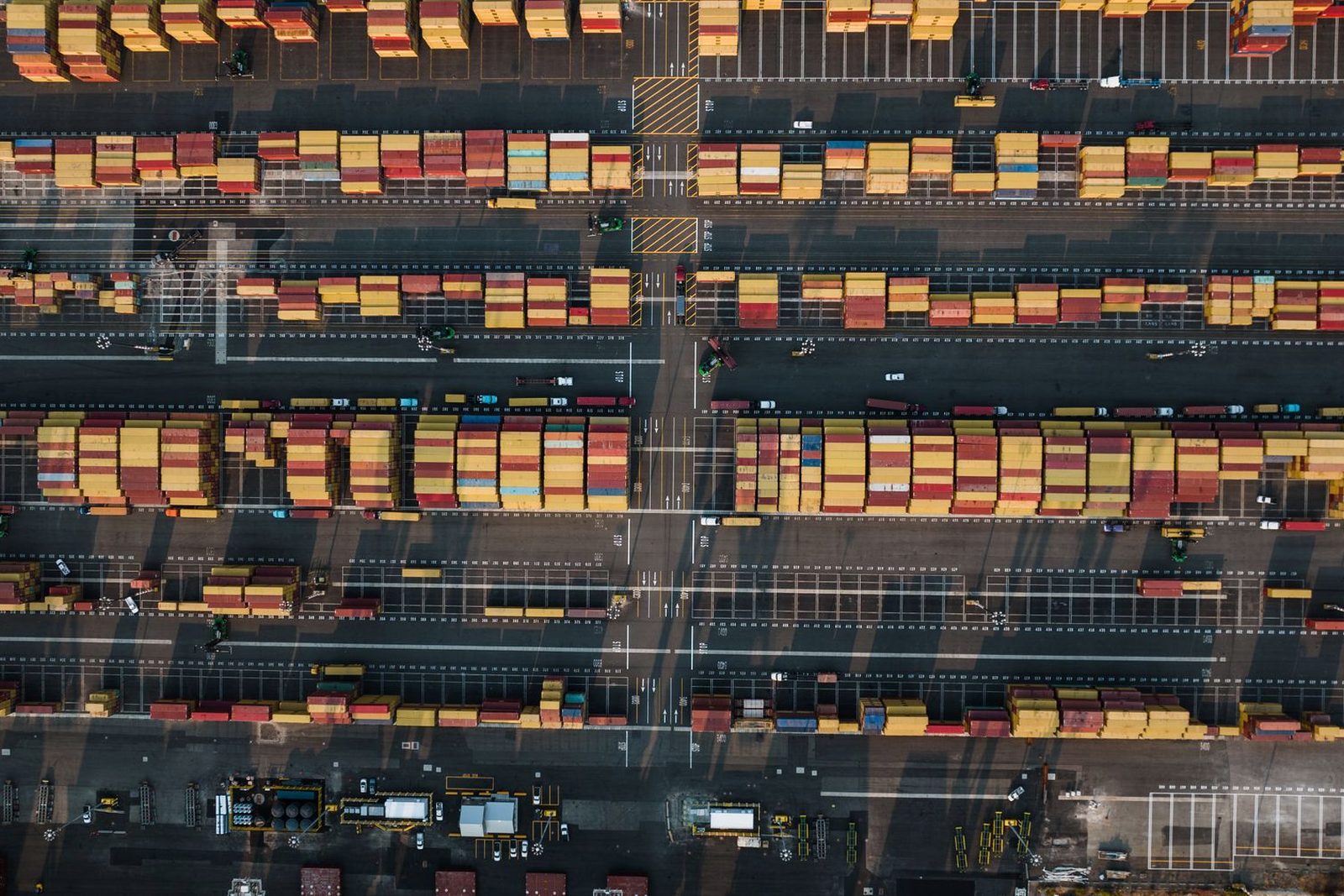
Tariffs and trade wars can disrupt global food markets in profound ways, affecting not just supply chains but also consumer wallets. Understanding these dynamics is critical for businesses like Klear Investments that operate in multiple sectors and regions.
Supply Chain Disruptions
When tariffs increase the cost of importing goods, distributors often face delays as shipments move through customs at a slower pace. This can lead to shortages on store shelves as retailers struggle to meet demand with limited inventory. In 2019, for instance, U.S.-Mexico tariffs caused disruptions in avocado supply chains, leading to significant price hikes in grocery stores.
These delays are compounded by the complexity of modern food distribution networks. Produce often travels through multiple countries before reaching consumers, each step adding potential points of friction due to differing trade policies and regulations. For example, a shipment of Chilean grapes destined for Europe may pass through several ports where tariffs can affect transit times and costs.
Economic Impacts on Producers
Higher tariffs force producers to pay more for the materials they import or export, cutting into profit margins. In some cases, such as the 2018 U.S.-China trade war, this has led to reduced investments in farming and production infrastructure. Farmers may also shift their focus from high-value crops like avocados or almonds toward less lucrative but more stable options.
Moreover, tariffs can alter market dynamics by creating incentives for producers to seek out alternative trading partners. For instance, Canadian farmers might look to export to the EU rather than the U.S., which could benefit those markets in the short term but cause long-term instability if trade relationships shift too rapidly.
Consumer Prices and Access
Rising tariffs directly translate into higher prices for consumers at the checkout counter. When distributors face increased costs, they often pass these expenses on to retailers who then raise prices accordingly. This can disproportionately affect lower-income households that rely heavily on imported produce to maintain a balanced diet.
In addition to price hikes, trade barriers can limit consumer access to certain food products. For example, if tariffs make it too expensive for Canadian consumers to purchase Mexican tomatoes, they may turn to domestically grown alternatives that are less diverse or of lower quality. This not only affects the variety in grocery stores but also impacts nutritional options available to families.
Strategic Business Adjustments
To mitigate the effects of tariffs and trade wars, businesses must adapt their strategies accordingly. Diversifying supply chains by sourcing from multiple countries can help ensure a steady flow of goods even if one trading partner faces significant import barriers. For instance, Klear Investments might explore partnerships with European suppliers to complement its existing operations in South America.
Furthermore, investing in local production and processing capabilities within target markets can reduce dependency on imports. This approach not only helps stabilize supply chains but also supports regional economies by creating jobs and fostering growth in agriculture sectors that may have previously been underutilized.
Potential for Long-Term Change
The volatility introduced by tariffs and trade wars can drive fundamental changes in global food markets. As businesses adjust to new trading conditions, they may identify innovative solutions that enhance efficiency and resilience. For example, advances in vertical farming technology could provide a more localized source of produce, reducing reliance on long-distance imports.
However, such transformations require significant investment and time to implement. The immediate challenge remains navigating the complexities introduced by current trade policies while positioning for future opportunities as market dynamics evolve.
The interplay between tariffs, supply chains, and consumer markets is detailed and far-reaching. As Klear Investments continues its long-term approach in various sectors, understanding these dynamics is important for maintaining stability and growth amid global economic shifts.