
The impact of domestic agricultural policies on global food export markets is profound yet often overlooked. A country's ability to compete in international trade depends not only on its natural resources but also on the regulatory frameworks that govern its agricultural sector. For instance, subsidies for farmers can boost production levels, while tariffs might limit market access.
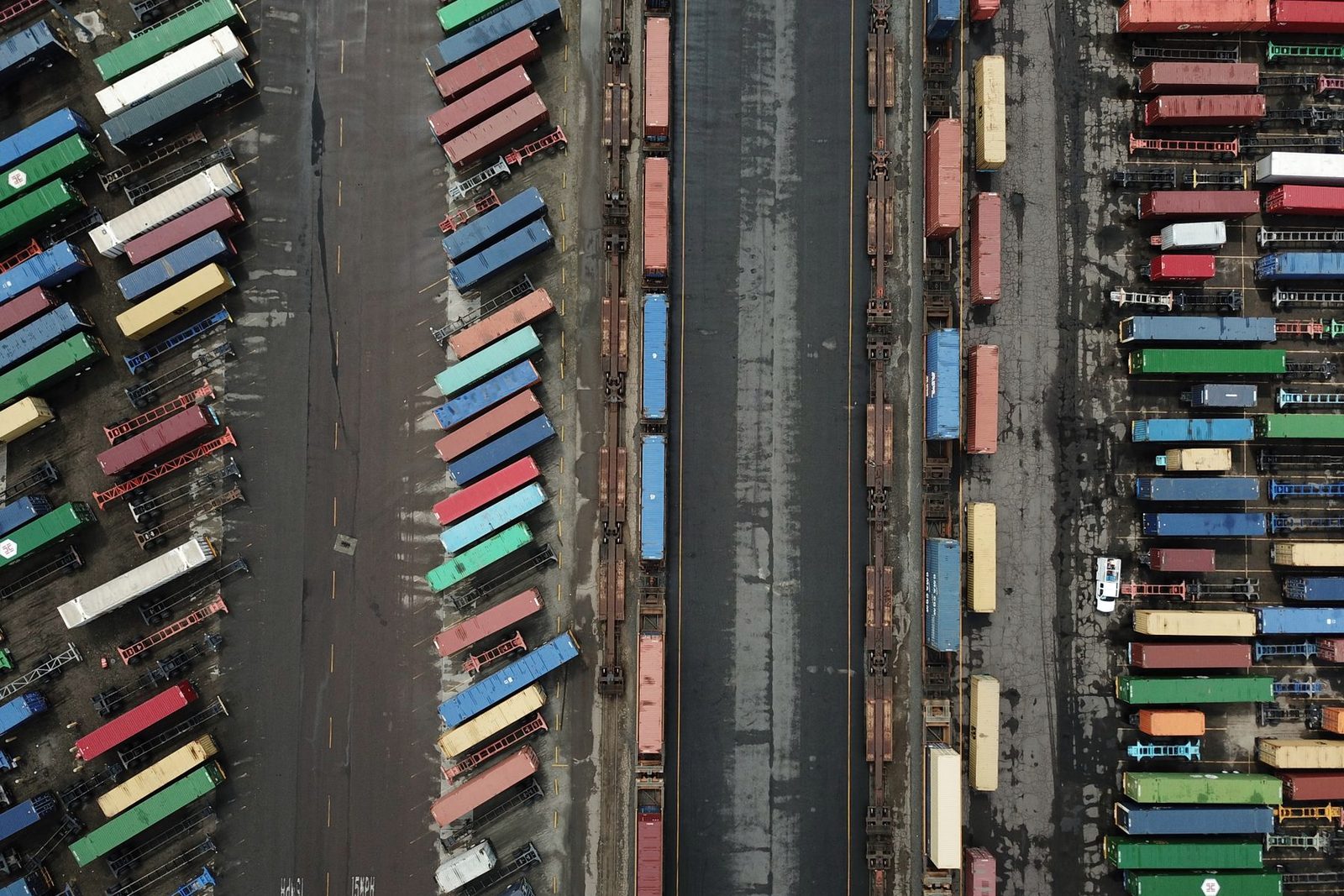
Agricultural Subsidies and Market Dynamics
Subsidies are a cornerstone of many countries' agricultural policies. They provide financial support to farmers by reducing input costs such as seeds, fertilizers, and equipment. In the United States, for example, subsidies have been important in maintaining high levels of domestic production and export volumes.
The European Union also implements extensive subsidy programs under its Common Agricultural Policy (CAP). CAP aims to ensure a fair standard of living for farmers while providing stable food supplies at reasonable prices for consumers. This policy has shaped the EU's role as one of the world’s largest exporters of agricultural products, particularly in grains and dairy.
Tariffs and Market Access
Trade barriers such as tariffs can significantly impact a country's ability to export its agricultural goods. Tariffs are taxes imposed on imported goods, which increase their price relative to domestic alternatives. For example, Brazil imposes high tariffs on soybeans from the United States, making American soy less competitive in the Brazilian market.
Conversely, free trade agreements can remove or reduce such barriers, thereby increasing market access for exporters. The North American Free Trade Agreement (NAFTA), now known as the United States-Mexico-Canada Agreement (USMCA), has been important in facilitating cross-border trade of agricultural products between its member countries.
Regulatory Standards and Market Entry
Regulatory standards, including food safety regulations and environmental laws, play a critical role in determining market entry for exporters. Countries with stringent standards often require imports to meet specific criteria before entering the domestic market. This can be particularly challenging for developing countries trying to export to developed nations.
The European Union's strict regulatory environment, for instance, requires imported food products to comply with its rigorous safety and quality regulations. Similarly, the United States' Food and Drug Administration (FDA) imposes stringent standards on foreign imports, ensuring that they meet domestic health and safety norms.
Economic Impacts of Agricultural Policies
The economic implications of agricultural policies are far-reaching. Subsidies can lead to overproduction in certain commodities, which may depress global prices. For instance, the U.S. corn surplus has contributed to a global oversupply, affecting market dynamics for corn and related products.
On the other hand, tariffs can protect domestic industries but also result in higher consumer costs and reduced competition. This is evident in countries like India, where high import duties on rice have shielded local producers but made imported rice more expensive for consumers.
Strategic Considerations for Exporters
Agricultural exporters must work through a complex picture of domestic policies when seeking to enter new markets. Understanding the regulatory environment and aligning production practices with market requirements is essential. For example, exporters from South America, where Klear Investments operates in Chile, need to comply with EU standards if they aim to export produce there.
Moreover, forming strategic partnerships with local businesses can provide a pathway into new markets by leveraging existing knowledge of regulatory frameworks and consumer preferences.
The Role of Policy Flexibility
Policymakers must balance the need for support measures with the demands of international trade. Flexible policies that adapt to changing market conditions are key. For instance, during periods of oversupply, policymakers may adjust subsidies or implement export quotas to stabilize markets.
In conclusion, domestic agricultural policies significantly influence a country's position in global food export markets. By understanding these mechanisms, exporters can better anticipate and work through the challenges and opportunities presented by international trade regulations.