When Argentina's peso weakened against the US dollar last year, it became cheaper for American consumers to import Argentine beef. For Argentinian farmers, however, the exchange rate meant less revenue in their own currency from each export sale. This scenario illustrates how currency fluctuations can affect global food trade dynamics.

Currency Basics
The value of a country’s currency is influenced by various factors including economic performance, interest rates, and market sentiment. When a nation's economy strengthens relative to others, its currency typically appreciates; conversely, if the economy weakens or faces inflationary pressures, the currency tends to depreciate.

Currency exchange rates play a critical role in international trade by determining the cost of imports and exports for businesses involved in food supply chains. For example, when the Brazilian real strengthens against the euro, it becomes more expensive for European consumers to buy Brazilian coffee, potentially reducing demand unless prices are adjusted accordingly.
Impact on Producers
Farmers and producers often face challenges as currency fluctuations can lead to unpredictable revenue streams. A weaker domestic currency might increase export revenues in foreign currencies but decrease the purchasing power of local farmers when converting those earnings back into their own currency. This is because higher foreign currency earnings translate into fewer units of their home currency, impacting overall profitability.
Conversely, a stronger domestic currency can make it difficult for exporters to compete internationally as prices rise in terms of foreign currencies, potentially leading to reduced sales volumes and lower revenues despite increased nominal profits in the local currency. Such volatility can disrupt long-term planning and investment decisions.
Impact on Consumers
Currency fluctuations also affect consumers by altering import costs and influencing retail prices. When the Canadian dollar weakens against the US dollar, importing food products from the United States becomes more expensive for Canada. This increased cost is often passed along to consumers through higher retail prices.
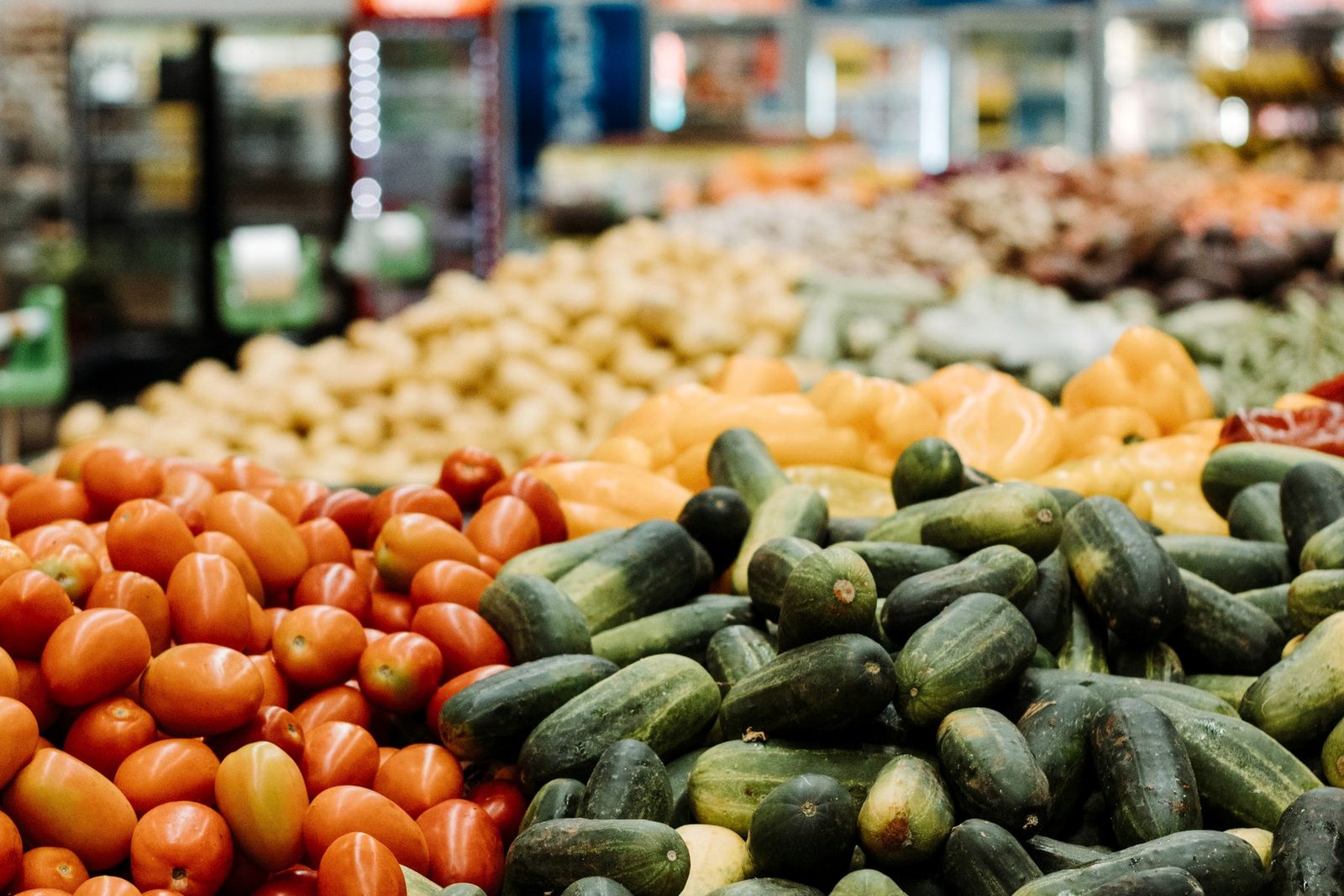
Additionally, currency changes can lead to supply chain disruptions as companies adjust their sourcing strategies based on exchange rate conditions. For instance, a sudden appreciation of the Japanese yen might prompt a food supplier in Japan to seek alternative sources for cheaper raw materials from other countries with weaker currencies.
Market Adjustments
To mitigate risks associated with currency fluctuations, businesses often employ hedging strategies such as forward contracts and swaps. Forward contracts allow companies to lock in exchange rates at predetermined levels, providing certainty about future costs or revenues despite ongoing market volatility. Swaps are another tool used to transfer risk from one party to another, enabling better management of financial exposures.
Furthermore, international food trade agreements and policies can influence currency effects indirectly by setting standards for import tariffs, quotas, and other barriers that affect the ease and cost of cross-border transactions. These factors collectively shape the competitive picture within which producers and consumers operate.
Economic Implications
The interconnectedness of global food markets means that local economic conditions in one country can have ripple effects across international supply chains. For example, if a major agricultural exporting nation experiences an economic downturn leading to currency depreciation, the resulting increase in export volumes might temporarily boost trade figures but could undermine long-term stability and sustainability.

Understanding these dynamics is important for stakeholders involved in global food trade as it informs strategic planning, risk management, and operational decisions. By anticipating shifts in exchange rates and their implications on pricing and demand patterns, companies can better work through the complexities of international commerce.
The interplay between currency movements and global food trade highlights the importance of solid financial strategies and market awareness for all participants. As currencies fluctuate, producers must balance export opportunities with local market needs, while consumers face varying prices due to changing import costs. Effective management of these challenges is essential for maintaining stable food supplies and fair pricing in an interconnected world.