
The morning begins with a flurry of activity at Port Newark in New Jersey. Containers from Asia are unloaded into a warehouse where goods destined for American consumers are sorted and distributed. Suddenly, a customs notice arrives indicating an increase in tariffs on imported electronics. The immediate impact is felt not just by the port workers but by every stage of the supply chain.
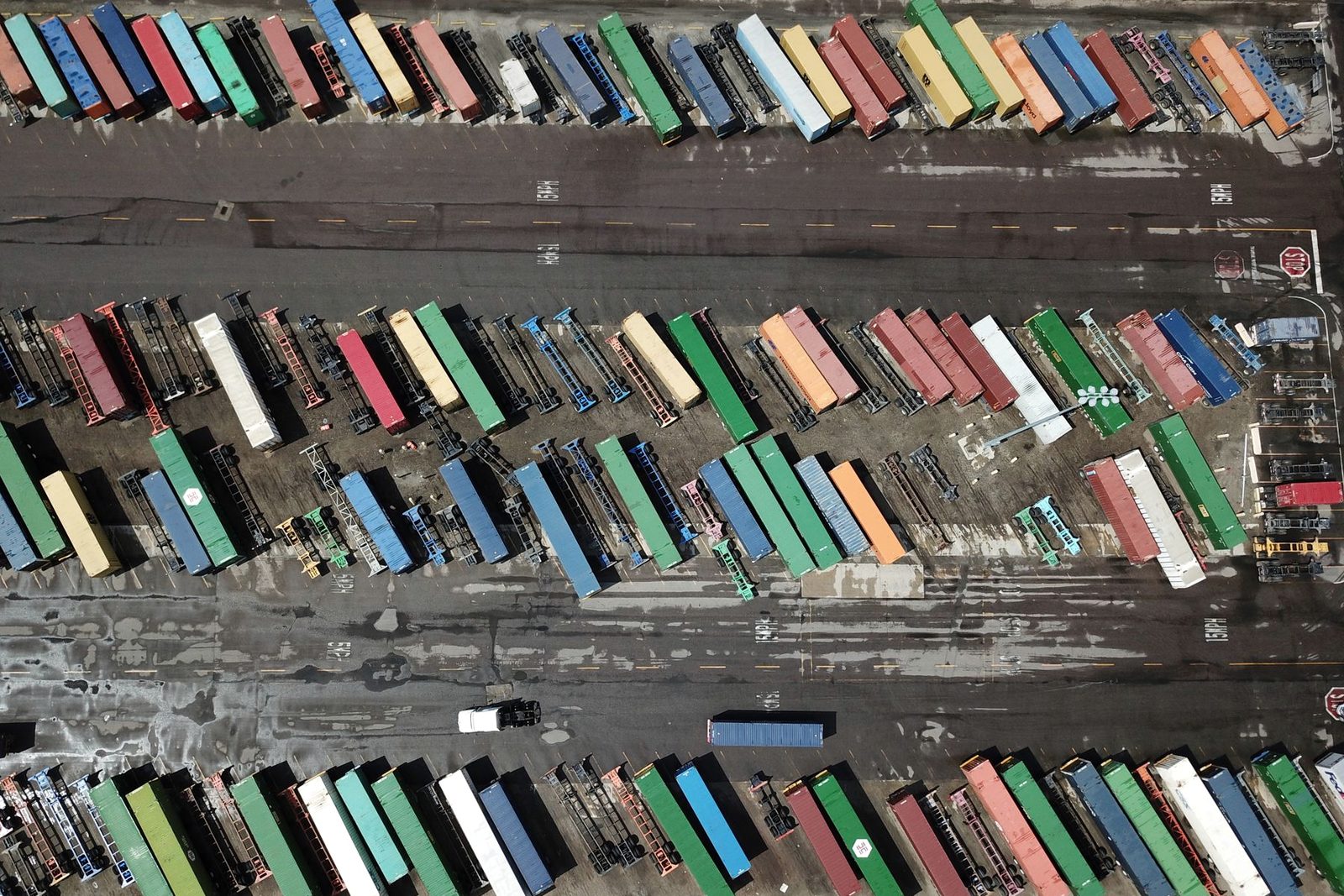
Tariffs imposed by major economies can significantly alter the dynamics of global trade, affecting industries that rely heavily on international imports and exports. While tariffs are meant to protect domestic industries from foreign competition, they often introduce hidden costs throughout a complex web of interconnected supply chains.
Understanding Tariff Mechanisms
Tariffs are taxes imposed by governments on imported goods. They aim to make these products more expensive in the importing country compared to domestically produced items. When tariffs rise, importers must pay higher fees at customs for every shipment they bring into a country.
The cost increase does not stop with the initial tariff payment. Businesses often pass this expense onto suppliers and eventually consumers through higher prices on goods and services. This chain reaction can lead to reduced demand as prices rise, affecting both domestic producers who rely on imports and exporters looking for market entry points.
Impact on Downstream Industries
Industries that depend heavily on imported raw materials or components are particularly vulnerable to tariff hikes. For instance, the automotive industry often sources parts from various countries, such as engine blocks from Japan or tires from China. An increase in tariffs can disrupt these supply chains, causing delays and inventory shortages.
The ripple effect is also felt by companies that rely on imported finished goods for resale. Retailers may find themselves unable to maintain their profit margins due to higher costs imposed by suppliers trying to cover tariff expenses. This pressure often leads retailers to cut back on orders or increase prices, affecting consumer spending and demand patterns.
Supply Chain Disruptions
Tariffs can cause significant disruptions in supply chains, leading to delays and inefficiencies. Companies may need to seek alternative suppliers from countries with lower tariffs, which often means longer lead times for delivery of goods. This shift also requires additional logistical planning and investment in new supplier relationships.
Moreover, the uncertainty created by fluctuating tariff rates can discourage companies from making long-term contracts or large-scale investments in production capacity. The lack of stability hinders growth and innovation, impacting overall economic productivity.
Economic Consequences for Consumers
The primary burden of tariffs falls on consumers through higher prices for goods and services. As import costs rise, businesses often have no choice but to increase their pricing strategies to maintain profitability. This can lead to inflationary pressures in the economy as more sectors are affected by increased input costs.
Consumers also face reduced purchasing power due to these price hikes. With less disposable income available for discretionary spending, demand for non-essential goods and services may decline. This reduction in consumer demand has a broader impact on economic growth and employment rates across various industries.
Strategic Responses by Businesses
In response to rising tariffs, businesses often explore diversification strategies such as sourcing from multiple countries or investing in local production facilities to reduce dependency on imports. These moves can help mitigate the immediate cost impacts but require significant financial and operational adjustments.
Companies may also engage in more aggressive negotiation with suppliers to secure better terms that account for tariff expenses. This approach helps manage costs but can strain relationships if not handled carefully. Additionally, businesses might look into alternative financing options or seek government support programs designed to ease the burden of international trade barriers.
Tariffs impose hidden costs across global supply chains and affect consumers through higher prices and reduced purchasing power. While they are intended to protect domestic industries, the broader economic impact often outweighs these benefits by disrupting supply chains, discouraging investment, and leading to inflationary pressures.