
The day after OPEC announces another cut in production quotas, Brent crude prices spike by 5 percent overnight. For consumers already grappling with high energy costs, such volatility can feel like an unpredictable roller coaster. Understanding how demand responds to these price changes is important for both policymakers and businesses seeking stability in the global oil market.

Price Elasticity Basics
The concept of price elasticity measures how sensitive the quantity demanded of a good or service is to changes in its price. For oil, this relationship is complex due to its role as an essential input across various sectors and industries. Economists use the formula E_d = (ΔQ/Q) / (ΔP/P) where \(E_d\) represents elasticity, \(\Delta Q/Q\) is the percentage change in quantity demanded, and \(\Delta P/P\) is the percentage change in price.
In practice, calculating exact figures requires extensive data on consumer behavior across different regions and economies. Historical trends show that oil prices are highly volatile due to geopolitical events, changes in supply from major producers like Saudi Arabia and Russia, and shifts in global demand patterns.
Demand Responses to Price Changes
When oil prices rise sharply, consumers may initially respond by reducing discretionary travel or switching to more fuel-efficient vehicles. However, if the price increase is sustained over time, deeper behavioral changes become evident. For instance, public transportation usage tends to increase in urban areas as commuters seek alternatives to driving.

Beyond personal consumption habits, industries heavily reliant on oil such as aviation and shipping face significant pressures from fluctuating prices. Airlines often pass higher fuel costs directly onto passengers through surcharges, while container shipping companies might adjust their routes or slow down vessels to save on expenses.
Short-Term vs Long-Term Elasticity
In the short term, oil demand tends to be relatively inelastic because many uses of petroleum are indispensable. For example, electricity generation from natural gas and transportation fuel for essential goods cannot easily switch to alternatives overnight. Over longer periods, however, consumers and businesses have more time to adapt.
Historically, sustained high prices lead to increased investment in alternative energy sources such as wind, solar, and electric vehicles. These shifts can take years to materialize but ultimately reshape the demand curve for oil. The development of renewable energy technologies and infrastructure is a critical factor influencing long-term elasticity.
Geopolitical Influences on Price Elasticity
The geopolitical picture plays a significant role in determining both supply and demand dynamics for crude oil. Conflicts or political instability in major producing countries can cause sudden disruptions to global supplies, leading to rapid price increases. Conversely, diplomatic resolutions or policy changes that enhance production capacity can stabilize prices.
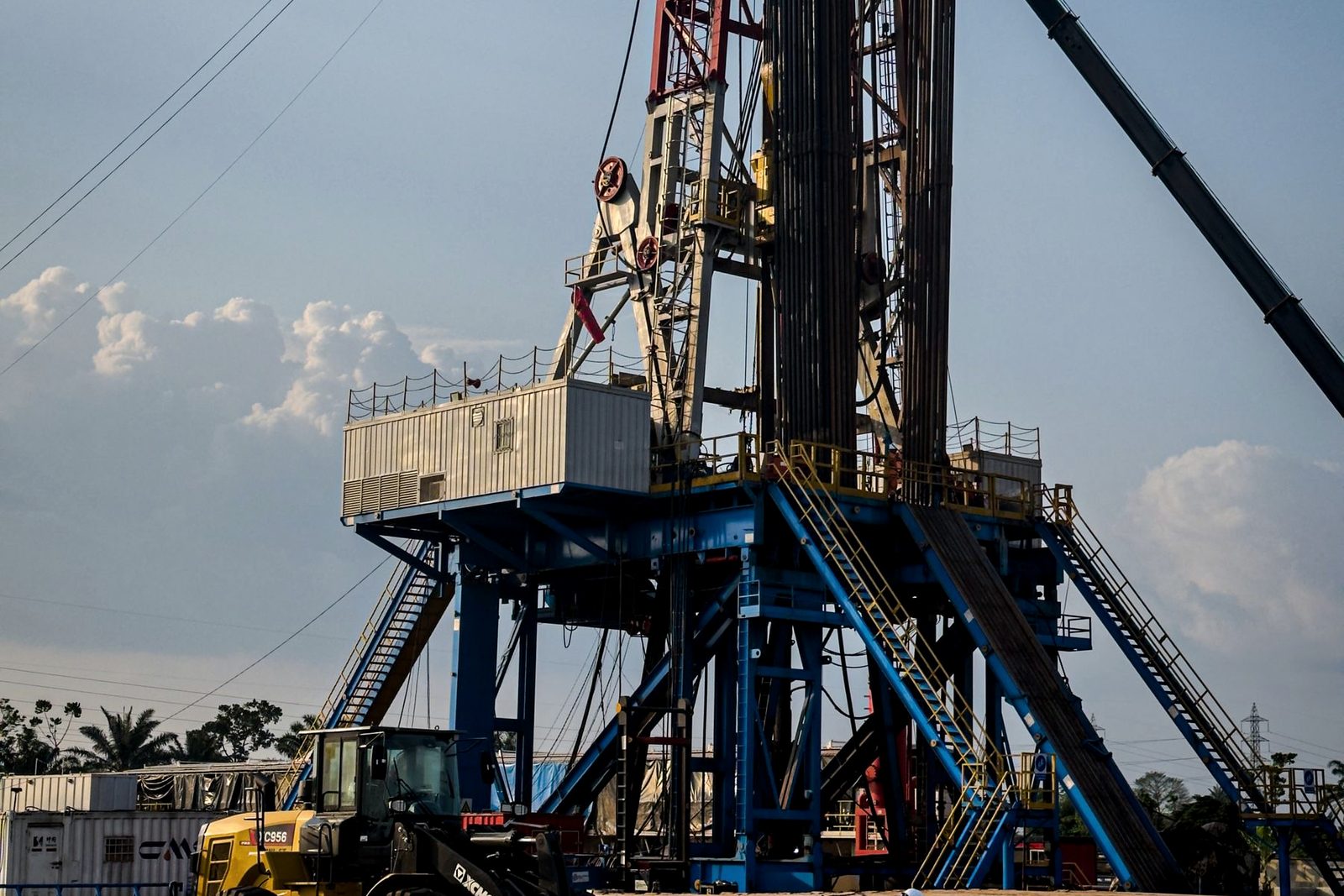
For instance, the Iran nuclear deal of 2015 temporarily eased sanctions and allowed more Iranian crude oil into international markets, which helped moderate global prices at the time. Such geopolitical factors complicate efforts to predict price elasticity because they introduce unpredictable variables that affect supply.
Economic Implications for Consumers
High oil prices impact not only direct consumers but also broader economic indicators such as inflation rates and consumer spending patterns. When fuel costs rise, disposable income available for other goods and services decreases, potentially leading to reduced overall consumption in the economy.

Policymakers often respond by implementing measures aimed at mitigating the effects of price volatility on households. These can include subsidies for public transportation, tax breaks for energy-efficient vehicles, or investments in renewable infrastructure that reduce dependency on oil over time.
The elasticity of oil demand is a active measure influenced by numerous factors including consumer behavior, technological advancements, and geopolitical events. Understanding how these elements interact helps stakeholders anticipate market trends and plan accordingly. As the world continues to transition towards more sustainable energy sources, the long-term elasticity of oil will likely diminish, reflecting a broader shift away from fossil fuels.
