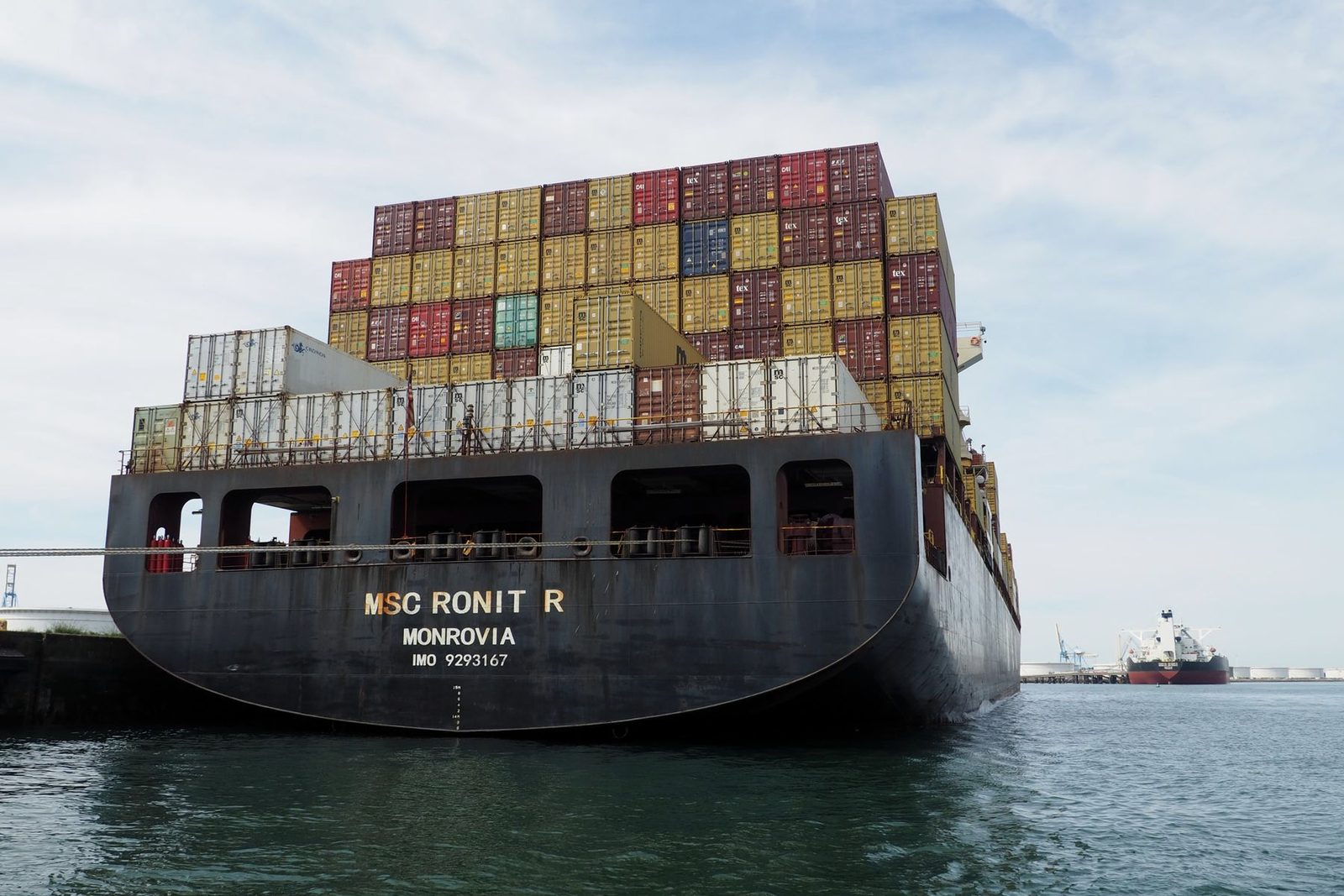
Southern African citrus arrives in European markets during the northern summer window. This represents an opportunity to supply fresh produce when availability from other regions diminishes. The trade operates within tight seasonal constraints and demands specific logistical capabilities for quality preservation.

The seasonal window
European demand for citrus fruit experiences a lull during winter months, as domestic production and imports from the Mediterranean region satisfy requirements. Germany imported about $1.5 billion of citrus fruit in 2024, around 1.1 million tonnes, according to UN Comtrade. As spring progresses, these sources decline. Citrus varieties harvested in Southern Africa provide an alternative supply chain beginning around May. This period extends through August, bridging the gap until Northern Hemisphere crops become available again.

The timing is non-negotiable. The window exists because of latitude and climate. Orange, grapefruit, lemon, and mandarin seasons in South Africa and Namibia peak during Southern Hemisphere autumn, aligning with European summer demand. Early varieties are shipped first, followed by later ones as the season progresses. This staggered approach extends the supply period.
The volume moving is substantial. It represents a significant portion of citrus consumption across key Northern European markets. Planning begins well in advance. Growers commit to export contracts often more than a year prior to harvest. Ports and shipping lines allocate capacity based on anticipated volumes. The entire system hinges on predictability.
Maintaining quality through transit
The shipment duration from Southern Africa to Europe typically spans four to six weeks, depending on destination port and vessel routing. This extended transit time presents challenges regarding fruit quality maintenance. UN Comtrade puts UK imports of citrus fruit at about $0.8 billion in 2024. Citrus is a climacteric fruit; it continues to ripen after harvest. Managing respiration rates and ethylene production during transport is essential.
Refrigeration plays a key role. Packhouses employ pre-cooling techniques immediately following harvest, reducing the pulp temperature rapidly. Vessels are equipped with reefer containers capable of maintaining consistent temperatures throughout the voyage. These temperatures are adjusted based on fruit variety and maturity stage. Careful monitoring occurs continuously.
Humidity control is equally important. Excessive humidity promotes decay. Ventilation systems manage moisture levels within containers, preventing fungal growth and preserving skin integrity. Ethylene scrubbers are often deployed to reduce ethylene concentrations, slowing ripening processes. These measures extend shelf life at destination.
Damage during handling represents another quality risk. Fruit is packed in protective packaging designed to minimise bruising and impact damage. Careful loading and unloading procedures at origin, transhipment points, and destination ports help maintain integrity. Inspection protocols identify damaged fruit for removal prior to distribution.
Traceability systems are now standard practice. Each container carries identification markers allowing tracking of fruit from the orchard to the retail outlet. This supports quality control efforts by facilitating prompt identification and isolation of any issues that arise during transport or storage.
A Calendar-Driven business
The Southern African citrus trade is fundamentally a calendar business. Success depends on adherence to seasonal patterns and logistical precision.
Weather conditions are a constant concern. Unseasonal rains or frost can damage crops, impacting both volume and quality. Droughts curtail production. Growers manage risk through irrigation systems and crop insurance policies.
Port congestion is another potential disruption. Increased demand during peak shipping periods can lead to delays in loading and unloading cargo. This raises the risk of fruit deterioration before it reaches consumers. Shipping lines adjust schedules and allocate additional resources to mitigate these issues.
Buyer requirements evolve year on year. Consumers demand larger fruit, specific varieties, or particular maturity stages. Growers adapt production practices and packing protocols to meet these changing preferences. This requires ongoing communication and collaboration between producers, exporters, importers, and retailers.
New citrus cultivars are introduced periodically, offering variations in flavour profile, size, and shelf life. These new options can create opportunities for differentiation but also introduce complexities regarding market acceptance and logistical handling.
The trade’s reliance on ocean freight makes it susceptible to geopolitical events impacting shipping lanes or fuel costs. Contingency planning involves identifying alternative routes and negotiating long-term contracts with suppliers.
Looking ahead
As global populations grow and consumer preferences shift, the demand for fresh citrus is likely to increase. This presents opportunities for Southern African producers to expand their export volumes and diversify into new markets. However, sustaining this growth requires continued investment in infrastructure, technology, and sustainable farming practices.