
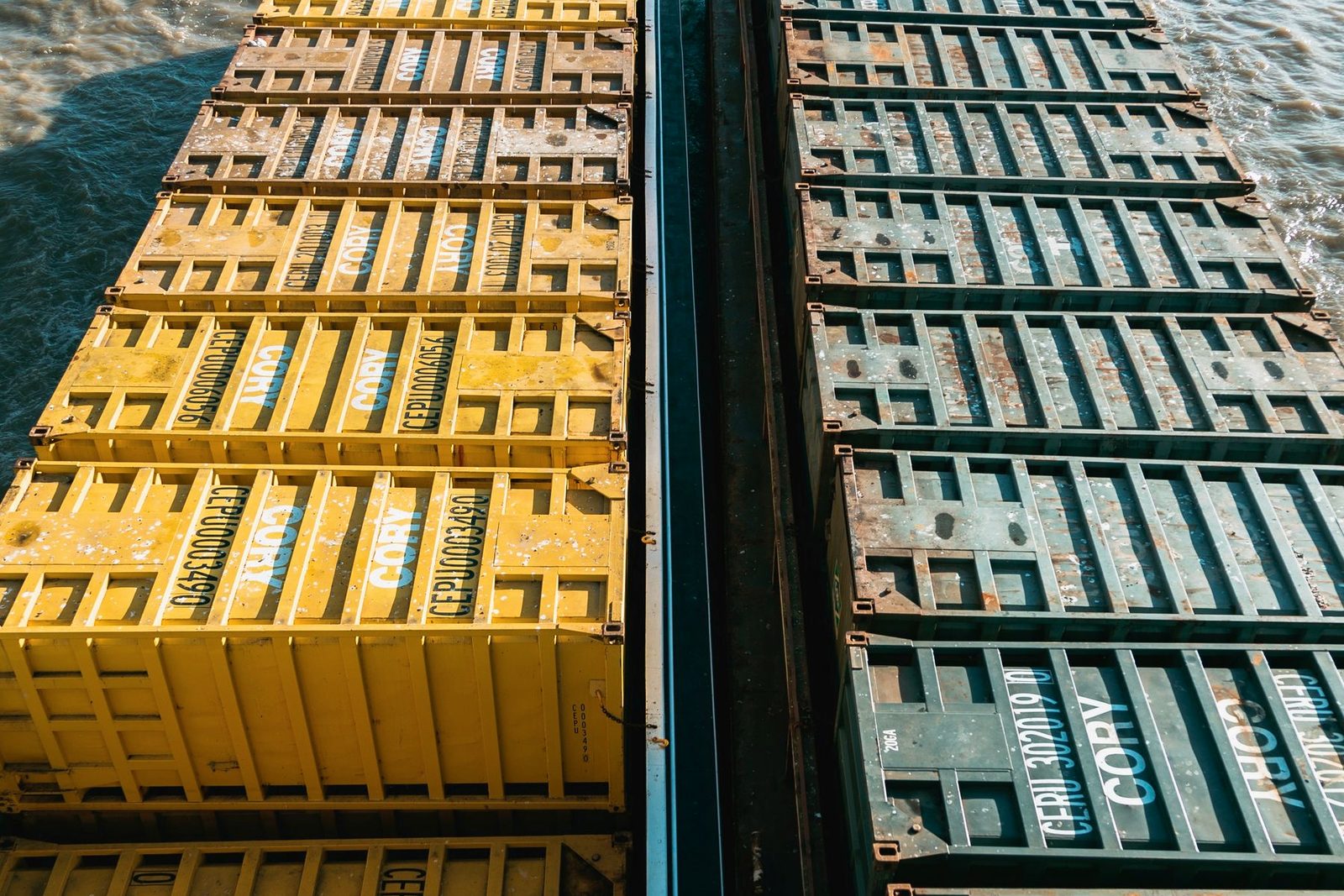
John Miller stands at the dock in New Jersey, staring out at the container ship filled with crates of Chilean avocados bound for East Coast supermarkets. The phone rings; it’s another call about unexpected tariff hikes imposed by the U.S. government. Each new regulation adds layers of complexity to an already detailed supply chain.
Understanding Tariff Mechanisms
Tariffs are taxes levied on imported goods, often set as a percentage of the declared value or weight of items crossing international borders. For fresh produce importers like Global Pacific Food Group, these tariffs can significantly impact profit margins and operational costs. The United States Trade Representative (USTR) regularly updates tariff schedules based on trade policies and agreements.
For instance, when the U.S. imposes a retaliatory tariff on imports from another country due to a specific dispute or negotiation phase, importers must adapt their supply chains accordingly. In 2019, tariffs increased significantly between the United States and Mexico, affecting avocado imports during peak seasons. Importers had to find alternative sourcing strategies to maintain product availability and price competitiveness.
Impact of Tariffs on Fresh Produce Supply Chains
Tariff increases can lead to higher costs for fresh produce importers, which are often passed onto retailers and consumers through increased prices. This affects the entire supply chain, from growers and distributors to wholesalers and end buyers. For example, a 5% tariff hike on avocados could add $0.10 per pound to their cost.
These costs can also disrupt inventory management and logistics planning. Importers must consider whether it is more economical to source produce from alternative markets with lower tariffs or to absorb the increased costs themselves. The decision involves balancing immediate financial impacts against long-term relationships and market stability.
Navigating Trade Agreements
Free trade agreements (FTAs) between countries can significantly reduce or eliminate tariffs on specific products, providing importers with a more predictable cost structure. For instance, the U.S.-Chile Free Trade Agreement, established in 2004, eliminated tariffs on most agricultural goods traded between both nations.
Understanding and leveraging FTAs requires thorough knowledge of their terms and conditions. Importers must be aware of which products qualify for tariff reductions under specific agreements and ensure compliance with all necessary documentation to avoid penalties or delays. This process can include obtaining certificates of origin, complying with sanitary and phytosanitary standards (SPS), and adhering to specific labeling requirements.
Strategic Sourcing Decisions
To mitigate the risks associated with tariffs, importers must adopt a strategic sourcing approach that considers multiple supply markets. Diversifying sources can provide flexibility in response to tariff changes or other market disruptions. For example, if Chilean avocados become prohibitively expensive due to tariffs, an importer might shift some of their sourcing to Peru or Mexico.
Importers should also consider long-term contracts with suppliers from multiple countries to secure stable pricing and supply reliability. These agreements can help stabilize costs by locking in prices for a set period, reducing the impact of sudden tariff changes.
Operational Adjustments
In response to changing tariffs, importers must adjust their operational strategies to maintain efficiency and profitability. This includes optimizing logistics networks, streamlining customs clearance processes, and leveraging technology to enhance supply chain visibility and agility.
For example, implementing advanced tracking systems can help monitor the movement of produce through complex international supply chains, reducing delays caused by customs issues or other disruptions. Additionally, forming partnerships with local distributors in different countries can improve on-the-ground support and responsiveness to market changes.
Navigating the complexities of tariffs and trade agreements requires a proactive approach that balances strategic sourcing decisions with operational flexibility. By understanding the mechanisms behind these policies and leveraging available tools, importers can mitigate risks and maintain stable supply chains for fresh produce in international markets.