
The World Food Programme reports that in 2021, over 800 million people lacked regular access to sufficient food, a number that has only grown since then. Providing aid in such circumstances is not just about shipping containers of rice or wheat but involves navigating complex logistical and political landscapes.
Logistical Challenges
The delivery of food aid requires careful coordination across multiple stakeholders. From sourcing the necessary supplies to ensuring they reach their intended destinations, each step presents its own set of challenges. Transporting large quantities of food over long distances can be logistically daunting, with issues such as storage conditions, transport capacity, and security being critical factors.
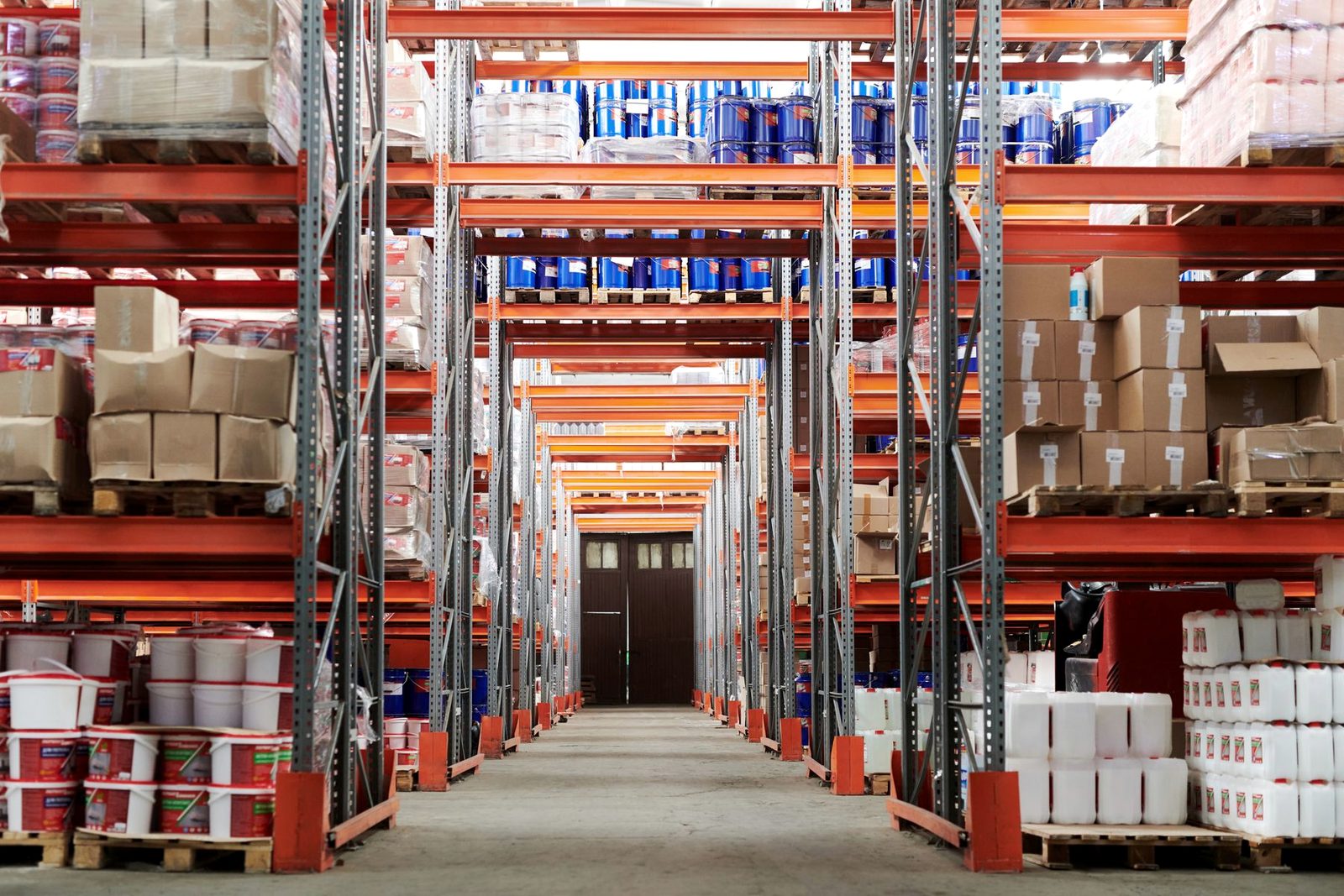
Warehousing facilities in many developing countries are often inadequate for storing large shipments of aid supplies, leading to delays and potential spoilage if not managed properly. Additionally, the transportation network must support a rapid response, which can be difficult in areas where infrastructure is lacking or damaged due to conflict or natural disasters.
Financial Constraints
Funding food aid programs requires significant financial resources, often sourced from donor nations and international organizations. The reliance on external funding means that fluctuations in economic conditions and geopolitical tensions can severely impact the availability of aid. Donors may prioritize their domestic needs over foreign assistance during times of economic downturn.
Moreover, bureaucratic processes and administrative overhead associated with managing large-scale aid programs often consume a substantial portion of the available funds, reducing the amount of actual food that reaches those in need. Ensuring transparency and accountability within these systems is important to maintaining public trust and securing continued support.
Political Barriers
The political picture can significantly hinder efforts to deliver aid effectively. Recipient countries may resist external intervention due to concerns over sovereignty or fears of dependency on foreign assistance. Host governments might also use food aid as a tool for political leverage, distributing supplies in ways that benefit ruling factions rather than those most in need.
Conflict zones present unique challenges where humanitarian workers face significant risks from violence and instability. In such environments, ensuring the safe delivery of aid becomes an even more formidable task, often requiring military escorts or other security measures to protect both the supplies and personnel involved.
Cultural Sensitivities
Understanding local customs and traditions is important when distributing food aid. Ignoring these can lead to unintended consequences, such as fostering resentment among communities that feel their cultural practices are being undermined by foreign intervention. Providing culturally appropriate foods not only respects the dignity of recipients but also increases the likelihood that the aid will be accepted and effectively used.
Engaging local leaders and community members in the planning and distribution process can help mitigate these risks, ensuring that aid efforts align with the needs and preferences of those they aim to assist. This collaborative approach builds trust and enhances the overall effectiveness of humanitarian operations.
Economic Impact
Food aid programs can have long-term economic implications for recipient nations beyond immediate relief. By providing essential supplies during crises, such interventions help prevent further deterioration in local economies and support the resilience of vulnerable populations. However, over-reliance on external assistance can undermine domestic food production and market dynamics.
Promoting sustainable agriculture and enhancing self-sufficiency are therefore important goals for long-term aid strategies. Investments in infrastructure, training programs, and technology transfer can empower communities to produce more food locally, reducing dependency on ongoing international support and fostering economic growth.
Providing effective global food aid involves a multifaceted approach that addresses logistical, financial, political, cultural, and economic challenges. By understanding these complexities and tailoring interventions accordingly, humanitarian efforts can make a substantial difference in alleviating hunger and supporting the development of recipient nations.