Recessions are selective. They empty car showrooms and restaurant bookings long before they touch the grocery basket, because whatever happens to incomes, people keep eating. Economists have a dry name for this, inelastic demand, and it is the quiet foundation under the entire food business. The word doing the honest work in our headline, though, is the last one. Food demand ignores recessions, mostly. The interesting part is what hides inside that mostly.

Engel's law, still working
The underlying regularity was documented in 1857 by the statistician Ernst Engel: as household income rises, the share of it spent on food falls, even though the absolute amount spent rises. Run the law in reverse and you get the recession case. When incomes fall, food spending falls far less than income does, and the food share of the household budget rises. Food is where the budget bends last. A century and a half of household data across every kind of economy has kept confirming this, which is why it earned the rare status of a law.
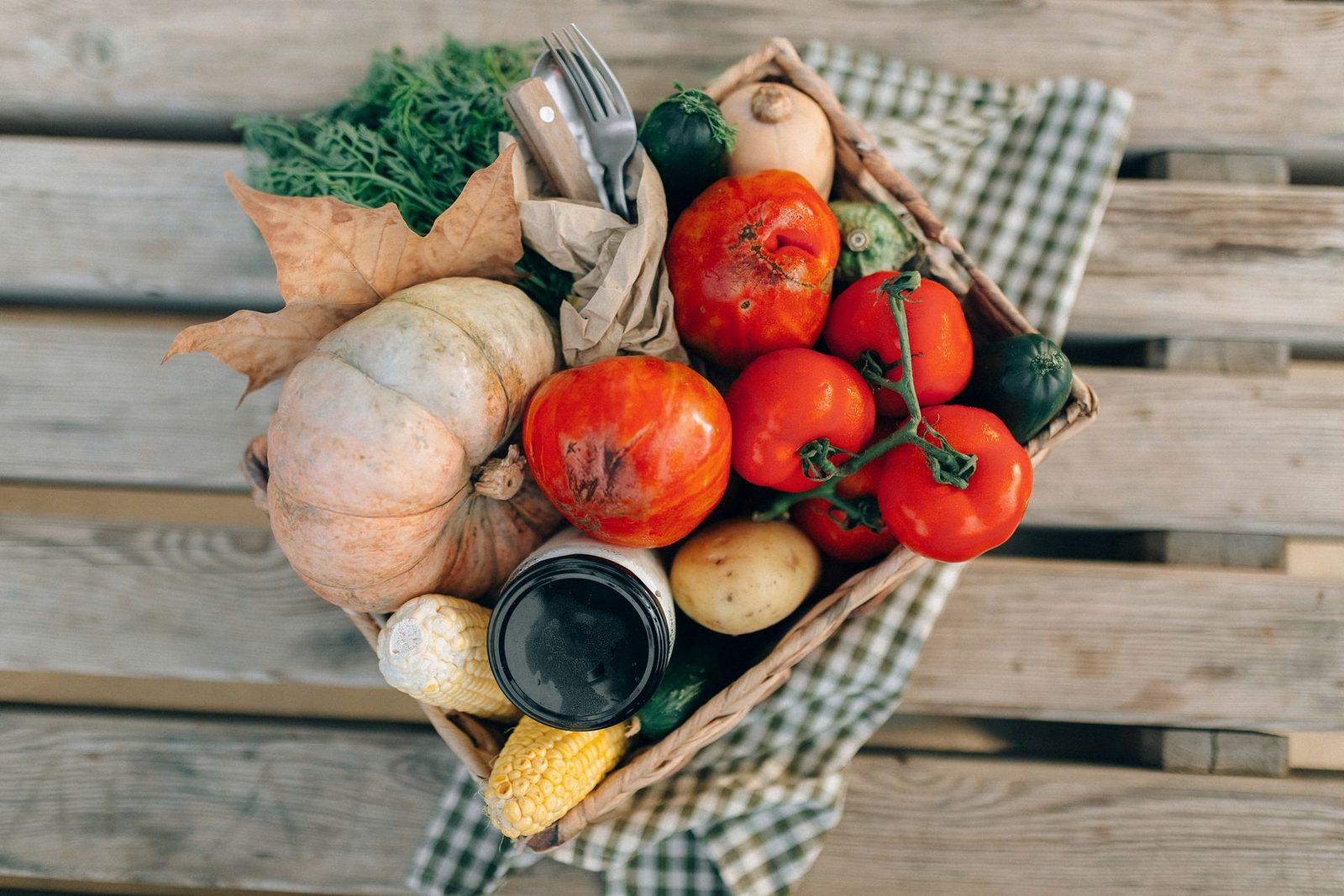
The practical consequence for anyone supplying food is a demand floor. The total number of meals a country eats next quarter is close to fixed. No marketing campaign raises it, and no recession lowers it much. What changes is what is on the plate and where it was bought.
The substitutions inside the basket
Here is the mostly. Households in a downturn do not eat less. They trade differently. Restaurant meals migrate back to home cooking, which actually increases grocery volumes while total food spending falls. Branded goods lose share to private label, a shift visible in every recession since supermarkets invented own-brand ranges, and one that partly sticks after each downturn ends. Premium cuts give way to cheaper proteins. Within produce, shoppers lean toward the workhorse staples, potatoes, onions, bananas, carrots, and hesitate over the berries and out-of-season specialties at the top of the price ladder.
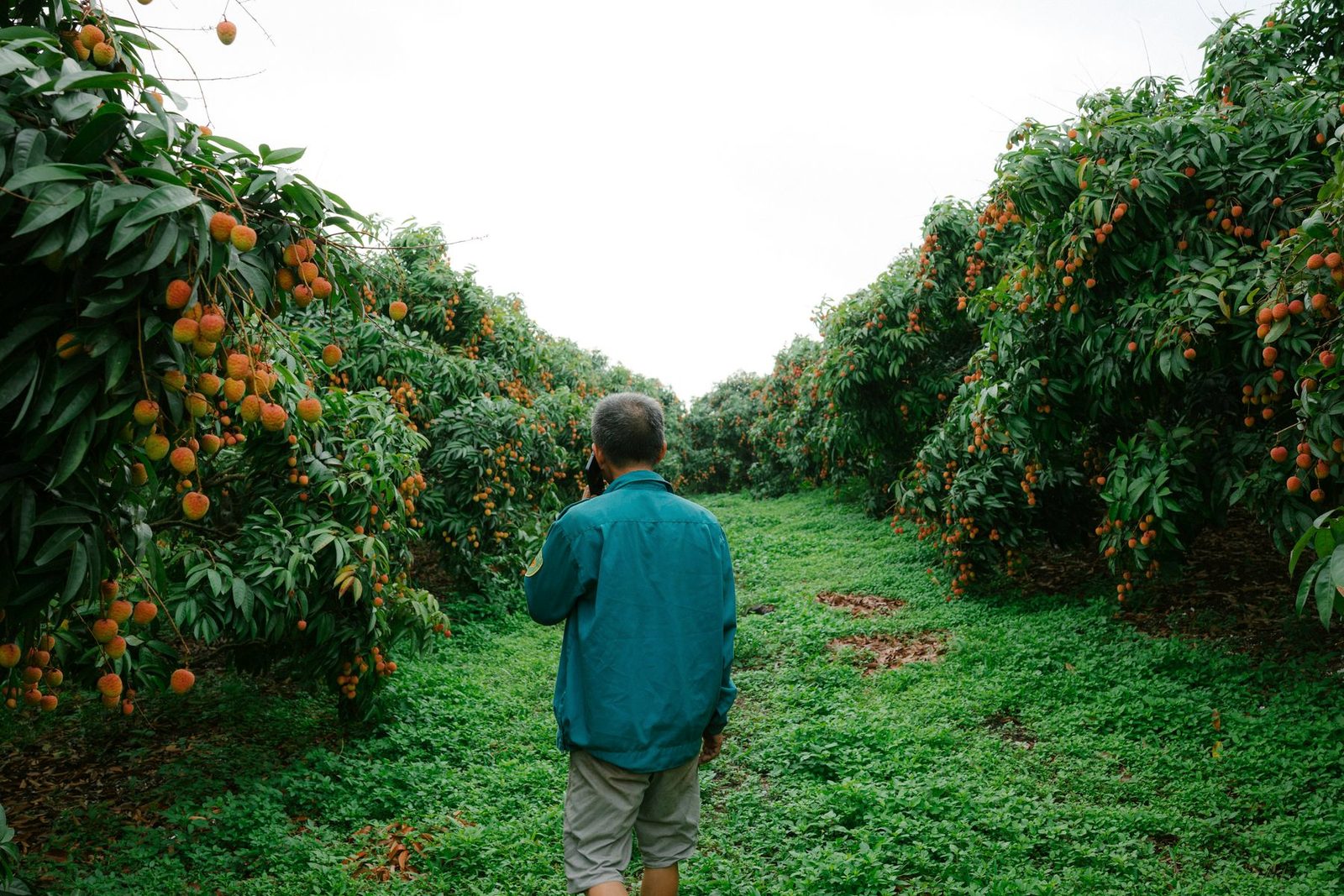
So the recession is invisible in the total and vivid in the mix. A supplier weighted toward everyday lines sails through. A supplier built on premium discretionary lines discovers that inelastic demand is a property of food in general, not of their product in particular.
What 2008 taught the trade
The financial crisis made a clean natural experiment. Discretionary categories fell hard, while grocery volumes held and discounters grew faster than at any time in a generation. The winners inside food were the formats and products that let households manage a budget without feeling deprived. The lesson was not that food is immune. It was that the value end of food is countercyclical: hard discounters, own label and staple lines actively gain when times tighten. Demand does not leave the category. It moves around inside it.
What this means for supply chains
Stable aggregate demand does not spare suppliers from recession effects. It relocates them. Retailers respond to thrifty shoppers by fighting harder over price, so negotiations tighten even as volumes hold. Buyers simplify ranges, cutting the marginal lines. And because shoppers trade down rather than out, the premium tail of a category can shrink quickly while the core grows. The defensive posture for a produce business is breadth across the price ladder, efficiency on the staple lines where volume concentrates, and cost discipline, because in a downturn the volume stays but the margin is renegotiated.
The limits of the floor
Two caveats keep the rule honest. First, the floor is under food eaten at home. Food eaten out is discretionary spending wearing an apron, and restaurant demand falls in recessions like any other luxury, as 2008 showed clearly. A grower or supplier weighted toward food service inherits that cyclicality even though the product is food. Second, a demand floor is not a price floor. Costs can still surge on the supply side, as any period of energy or freight inflation demonstrates, and stable volumes offer no protection against a squeezed margin. The rule protects the size of the market, not the profitability of any particular firm in it.
The portfolio angle
For a holding company, food's demand floor is precisely the attraction. Klear's portfolio spans businesses with very different economic weather: energy royalties that move with commodity prices, ventures that ride discretionary spending, and a food division whose demand is anchored by the least negotiable line in every household budget. Those streams do not move together, and that is the point. Diversification is easy to claim and hard to fake. Groceries in a recession are the real thing: not a business that cannot have a bad year, but a business whose customers cannot leave the market.