
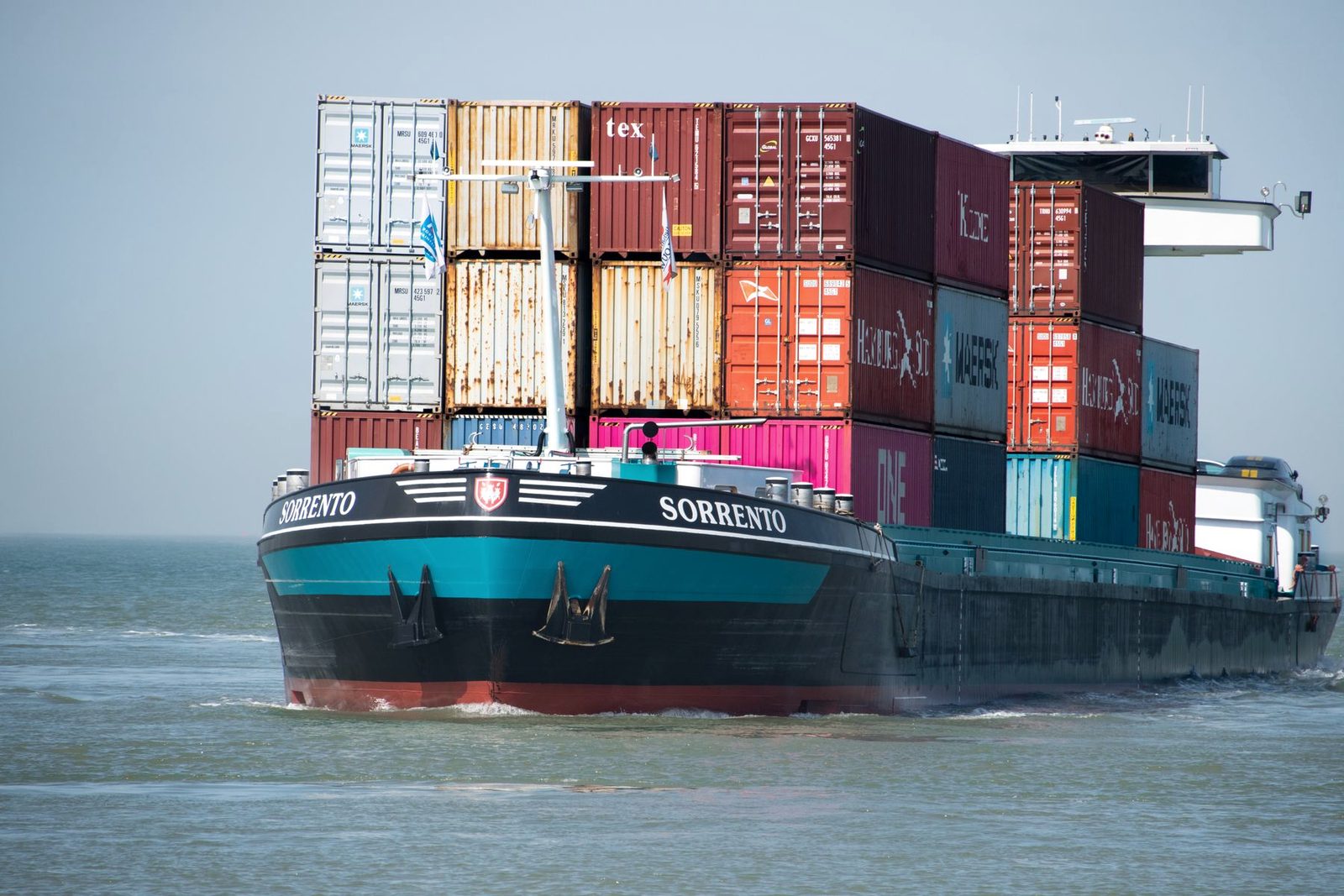
The ship Horizon docks at Dar es Salaam harbor carrying thousands of tons of rice destined for food aid programs in Africa. Yet, before it can unload, customs duties must be paid, costs that were not part of the initial budget when the program was conceived.
International food aid is a lifeline for millions around the world, but behind its humanitarian face lies a complex network of financial and logistical hurdles. From tariffs to shipping costs, each step in the supply chain can introduce unexpected expenses that erode the effectiveness of these programs.
Tariffs and Taxes
Food aid shipments often encounter high import duties when reaching their destination countries. These taxes are imposed by local governments as a way to protect domestic agriculture or generate revenue, but they can significantly increase the cost of food aid. For example, rice imports into Tanzania faced tariffs of up to 35% in recent years, according to World Trade Organization (WTO) data.
Moreover, VAT and other indirect taxes further complicate matters. A shipment arriving from a donor country may be subject not only to import duties but also to value-added tax at the destination port. This double taxation can make food aid less affordable for both providers and recipients alike.
Shipping Costs
The cost of transporting food aid from production sites to distribution centers is another significant expense. Ocean freight rates fluctuate based on supply and demand, fuel prices, and geopolitical tensions. For instance, the shipping index BDI (Baltic Dry Index) has shown dramatic spikes during times of conflict or when key routes are disrupted.
Logistics companies often charge additional fees for handling food aid that is not packaged in standard commercial sizes. Special containers and refrigeration units required for perishable goods further increase costs. These expenses can be unpredictable, making it difficult to plan budgets accurately.
Geopolitical Risks
Political instability and conflicts can severely disrupt the supply chain of food aid. In regions experiencing warfare or political unrest, ports may close temporarily, or shipping lanes might become unsafe for commercial vessels. Recent examples include disruptions in Syria due to ongoing conflict and maritime blockades.
In addition to physical barriers, geopolitical tensions between donor countries and recipients can lead to delays or even cancellations of aid shipments. Diplomatic relations play a important role in the smooth operation of food aid programs. Any strain in these relationships can hinder the delivery process.
Storage and Distribution Challenges
Once the food arrives, storing it until distribution is another logistical challenge. Adequate warehouse space with proper refrigeration facilities may not be available, leading to spoilage or insect damage before aid reaches beneficiaries. In many developing countries, infrastructure for large-scale storage is underdeveloped.
Distribution networks are often inefficient and prone to corruption. Local intermediaries might take their cut of the supplies, reducing what actually reaches those in need. This issue is compounded by the lack of transparency and accountability in some aid programs, making it difficult to track where funds and resources go.
Impact on Recipient Countries
The financial burden placed on recipient countries through tariffs and taxes reduces the amount of food they receive from aid shipments. Local prices rise as a result, affecting not only those directly involved in food aid but also broader segments of the population who depend on imported staples.
Furthermore, relying heavily on external aid can weaken local agricultural industries by discouraging investment and innovation. This dependency creates an ongoing cycle where countries struggle to achieve self-sufficiency in food production.
The hidden costs associated with international food aid are substantial and multifaceted. These challenges highlight the need for more transparent and efficient systems that minimize financial barriers while maximizing the impact of humanitarian efforts.