
Food aid arrives in a country devastated by famine, but the trucks are full of wheat from thousands of miles away when local markets could offer similar sustenance at less cost and more reliably. The paradox is that while food aid can save lives immediately, it often undermines local economies long term.
Logistics Challenges
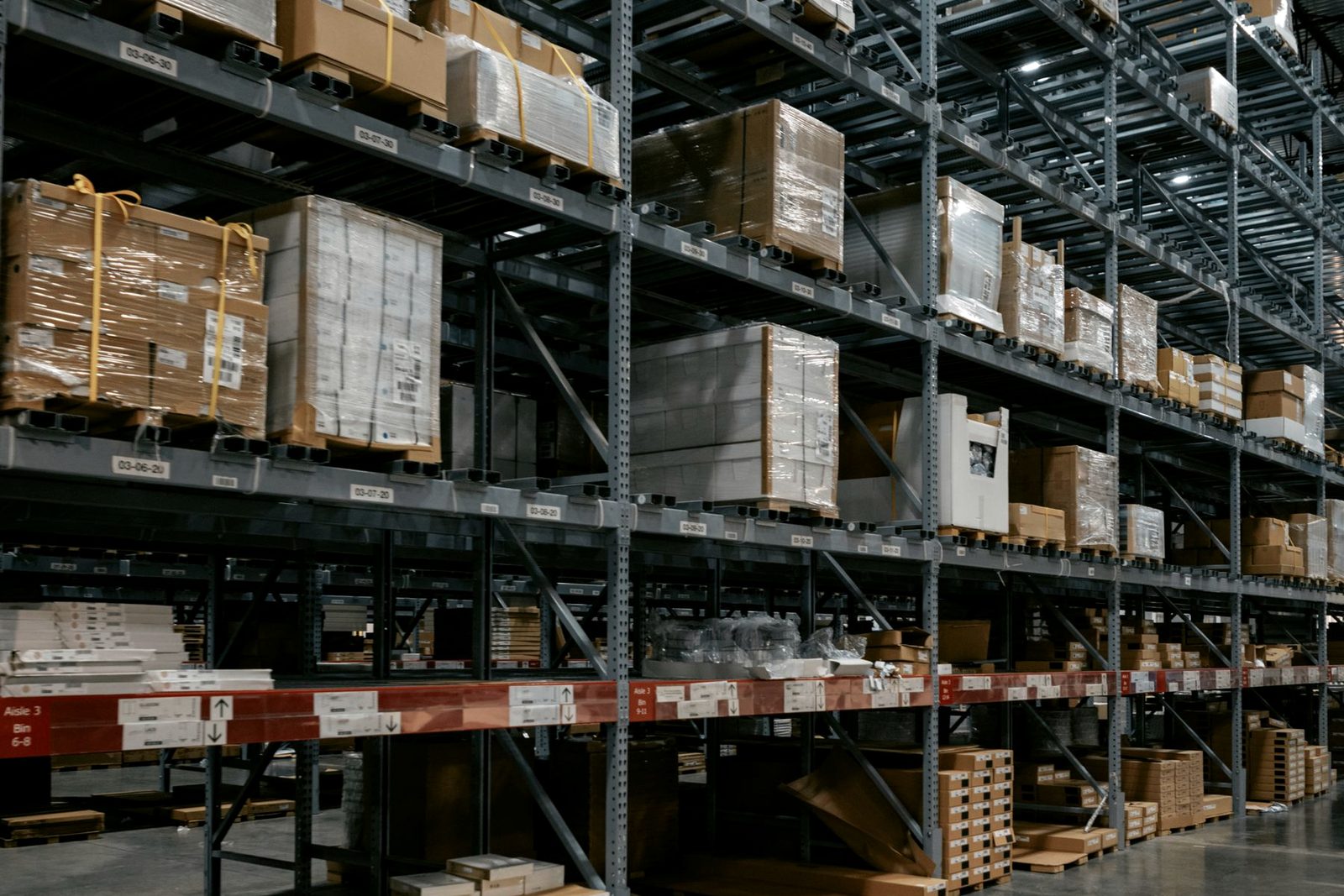
The complexity of delivering food aid to remote or war-torn areas requires a solid logistical framework. Aid organizations must work through the challenges of transporting goods across vast distances and through regions with limited infrastructure. This includes managing customs clearance, securing safe passage for shipments, and coordinating with local partners.
Food aid is typically sourced from major agricultural exporters like the United States, Canada, or Australia due to their surplus production capacity and efficient supply chains. However, this means that food must travel thousands of miles before reaching its destination, which can take weeks or even months. During this time, perishable items risk spoilage, while non-perishables face the logistical nightmare of storage.
Donor Motives
The motivations behind food aid donations vary widely among donor countries and organizations. Some donors are driven by humanitarian concerns, aiming to address immediate hunger crises and support vulnerable populations. Others may have strategic interests in maintaining political influence or ensuring access to natural resources.
Donors often face pressure from domestic constituencies, such as agricultural lobbies that benefit from government-funded food aid programs. These lobbies can drive policy decisions that favor the export of domestically produced goods over sourcing food locally where it is needed. As a result, food aid shipments frequently include commodities like wheat or rice that might be abundant and cheaper in neighboring countries.
Recipient Country Dynamics
The dynamics within recipient countries further complicate the delivery and impact of food aid. Local governments may lack the capacity to manage large-scale distribution effectively, leading to delays and inefficiencies. Corruption can also undermine efforts, with resources being siphoned off before they reach those in need.
Moreover, local markets are often disrupted by the influx of foreign food aid. When aid organizations flood a market with free or heavily subsidized food, it undercuts local producers who cannot compete on price and may go out of business as a result. This can lead to long-term economic harm, as local farmers lose their livelihoods and communities become dependent on external support.
Long-Term Impact
The long-term consequences of food aid are often overlooked in the rush to address immediate needs. While emergency assistance is important for survival during crises, it can create dependencies that hinder self-sufficiency and economic growth over time. The challenge lies in balancing short-term relief with sustainable development strategies.
One approach to mitigating these effects involves investing in local agriculture by providing seeds, tools, and training to help communities become more resilient against future shocks. By focusing on capacity building rather than simply delivering aid, donors can support long-term food security without undermining local economies.
Economic and Political Considerations
The economic and political implications of food aid are significant. Donor countries must weigh the benefits of humanitarian relief against potential risks such as dependency creation and market distortion. Recipient nations face the challenge of balancing foreign assistance with domestic development goals.
Effective coordination between donors, recipient governments, and local communities is essential for achieving positive outcomes from food aid programs. Transparent communication and mutual understanding can help ensure that resources are used efficiently and equitably.
The complexities of global food aid highlight the need for a balanced approach that considers both immediate relief and long-term sustainability. By addressing logistical challenges, aligning donor motives with local needs, and fostering economic resilience, food aid can be more effective in saving lives while promoting self-reliance.