
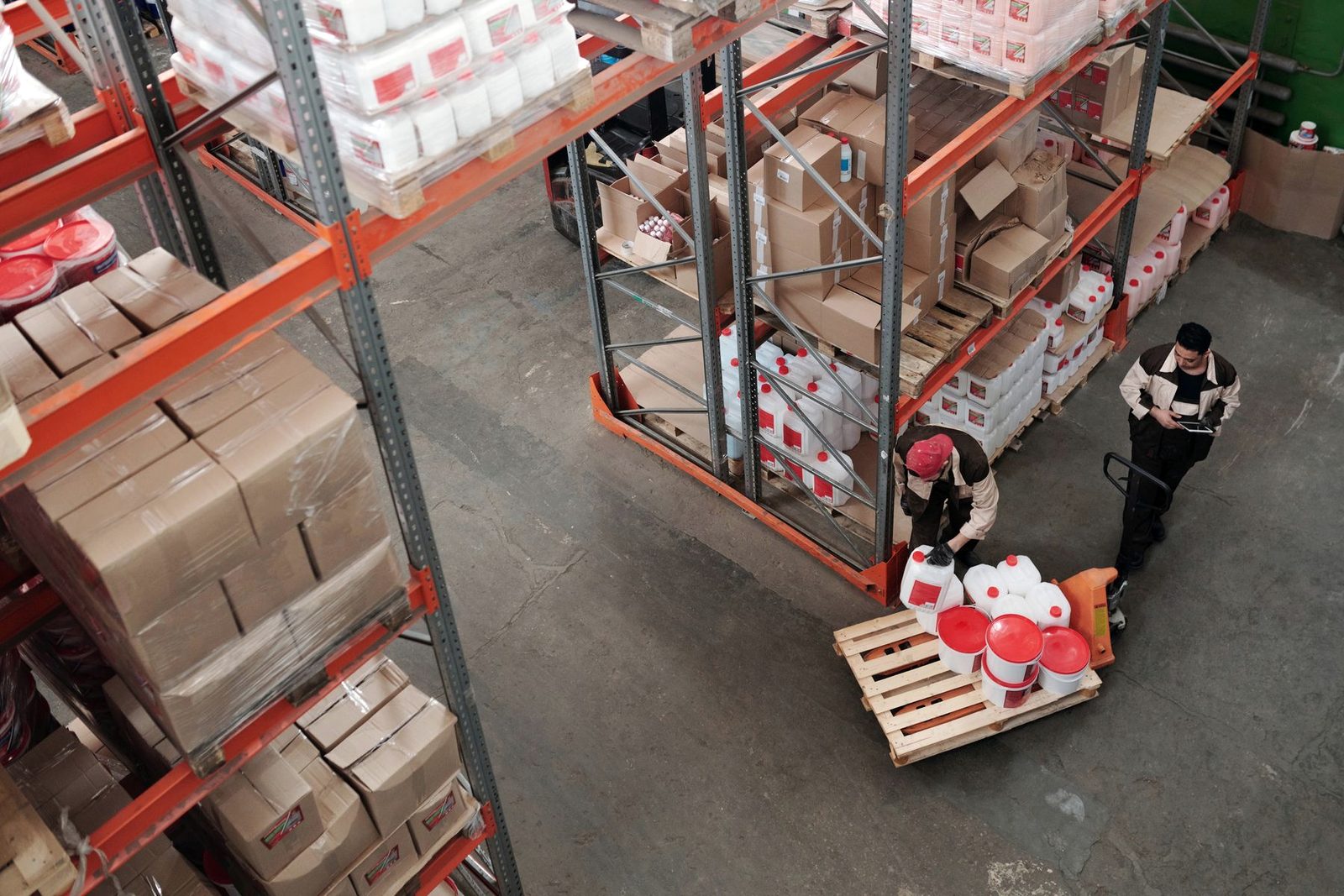
The day begins at 4:00 AM for the distribution center manager in Aleppo. Trucks loaded with food rations wait outside under the dim streetlights, each truck’s route meticulously planned around active conflict zones. This morning, however, a phone call informs him that a key road to Damascus is now impassable due to ongoing clashes. Adjusting routes on the fly becomes routine but also increasingly costly.
Historical Context of War Zones
War has long been a disruptor of food supply chains. In World War II, Germany's blockade of Allied ports and rail lines severely restricted food imports into Britain, leading to rationing. The Siege of Leningrad during the same conflict saw over a million civilian deaths due to starvation as Soviet troops blocked all land routes in.
More recently, Syria’s civil war has transformed its once-thriving agricultural sector into one of the world's worst humanitarian crises. As of 2017, according to the United Nations High Commissioner for Refugees, over half of Syria’s pre-war population faced food insecurity due to disrupted trade and conflict.
Logistics Challenges in War Zones
In war zones, logistics become a matter of life or death. Trade routes are frequently targeted by combatants as strategic points, leading to the closure of major transportation links like ports and bridges. In Afghanistan during the Soviet invasion and subsequent civil wars, key supply chains were cut off repeatedly, causing shortages in both rural and urban areas.
Warehouses become battlegrounds or storage is lost entirely due to looting or destruction. Food reserves dwindle as distribution networks collapse under the pressure of conflict. This scenario was evident during the Rwandan genocide where up to 80% of agricultural lands were abandoned, exacerbating an already dire food shortage.
Economic Impact on Food Prices
Disrupted trade routes lead to increased transportation costs and higher prices for consumers. In Syria, as conflict intensified, the cost of basic staples such as wheat flour doubled between 2011 and 2013, according to data from the World Food Programme. This price escalation is not merely due to supply shortages but also because of the added risk and expense involved in transporting goods through conflict areas.
War zones often see a parallel rise in black markets, where food can become prohibitively expensive. In Iraq during the Iran-Iraq War, informal trade networks emerged to supplement official channels, but these came with their own risks and inflated prices due to middlemen taking advantage of scarcity.
The Role of International Aid
International aid organizations play a critical role in mitigating food shortages during conflicts. The World Food Programme (WFP) has been instrumental in delivering emergency food supplies to millions affected by conflict across Africa and the Middle East. However, even these efforts face significant hurdles.
The logistical challenge of getting aid through war zones is immense. In Yemen, for example, WFP struggles with constant threats from all sides, including airstrikes on vessels carrying humanitarian supplies. Such interruptions not only endanger lives but also undermine long-term recovery plans and economic stability.
Impact on Long-Term Food Security
The disruption of food distribution channels in war zones can have lasting effects even after conflict ends. In the aftermath of the Rwandan genocide, rebuilding agricultural infrastructure took years, during which time millions continued to face severe malnutrition and related health issues.
Agricultural knowledge is also lost as farmers flee their land or perish. This brain drain leads to a generational gap in farming techniques, further complicating recovery efforts. In Syria, the loss of skilled farmers has led to an erosion of local food production capabilities that will take decades to restore.
The impact of war on food distribution channels is profound and long-lasting. From logistical challenges to economic pressures and lasting impacts on agriculture, conflict zones see a systemic breakdown in the supply chain. Understanding these mechanisms highlights the critical need for sustained international support and infrastructure resilience in post-conflict scenarios.